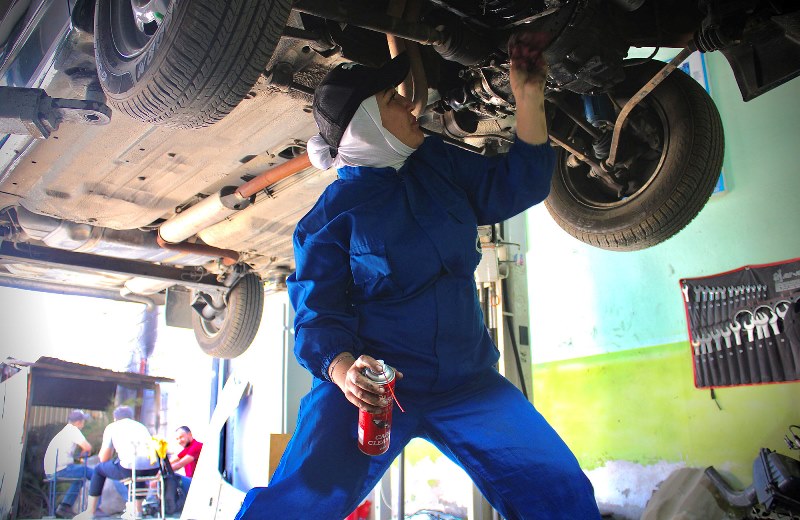
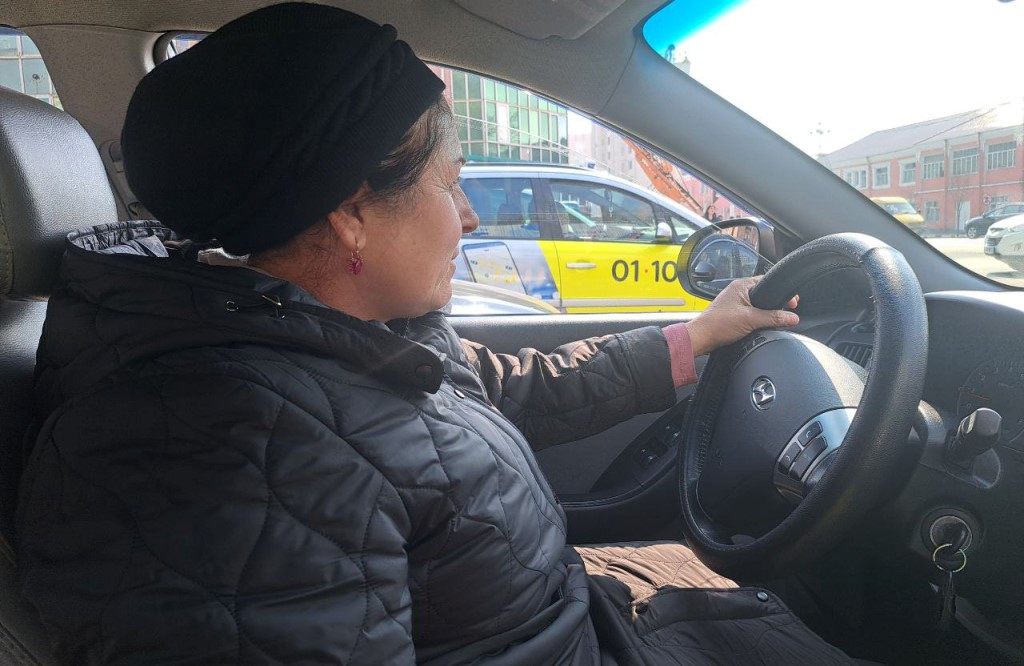
Tajikistan’s women are increasingly entering professions that were once considered "men's jobs" — they drive taxis, become lawyers, and work in IT. However, there are still sectors where women are either absent or extremely few. The reasons lie not only in official bans but also in stereotypes about what work is "appropriate" for women.
Soviet Legacy and Modern Restrictions
The restrictions on certain professions for women stem from the Soviet era, when women were shielded from heavy and harmful work to reduce health risks for themselves and future generations. In Tajikistan, this list of "unfeminine" professions used to include more than 300 positions. However, in December 2023, it was reduced by nearly half to 194 professions.
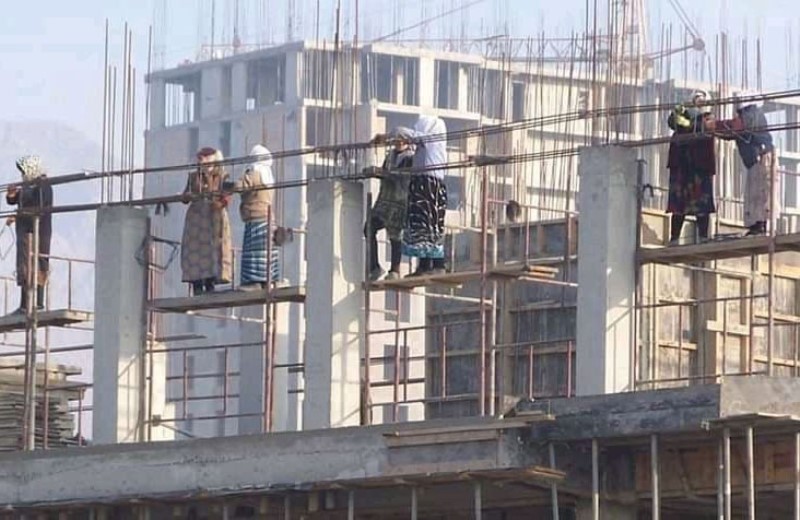
Nevertheless, women do work in these sectors, but their labor is not officially recognized. They do not receive insurance, vacation, or pension benefits because their jobs are legally considered unsuitable for women. For example, women work in Tajikistan’s mines, but they are not included in any official statistics. They perform the same tasks as men but are legally absent from the workforce list.
One such woman is Jamila Saidova (name changed), from a remote village in the Sughd region. For over fourteen years, she worked in a mine, extracting coal alongside her husband and other miners. Officially, however, she was listed as a cleaner. Jamila had no insurance, paid leave, or pension contributions, but she couldn’t leave — it was the only source of income for her family.
Stereotypes are stronger than laws
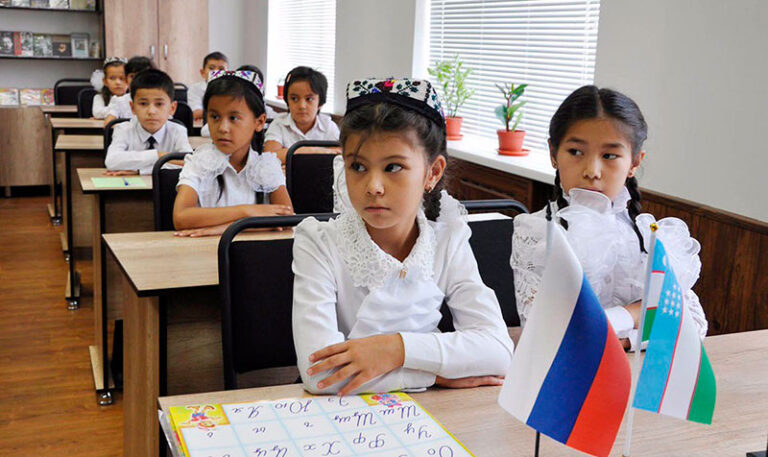
Even without official bans, there are professions in Tajikistan where women are rarely found. The reasons lie in deeply ingrained beliefs about "men's" and "women's" fields. In the country, only 15% of girls aged 18-21 receive higher education, compared to 30.5% of boys. This means that for most women, the path to modern, technological professions is blocked right from the educational stage.
According to UNDP data, only about 26% of women are involved in technical fields, and in some specialties, their share is as low as 0.7% to 5%. In terms of employment, the situation is similar: about 69% of women of working age are not employed. Even those who do work are often in low-paying sectors like agriculture, education, and retail.
In the agricultural sector, women make up 61.7% of the workforce, but they earn significantly less than men. According to World Bank experts, if women had equal access to work and earnings, Tajikistan’s national income could increase by nearly 63%.
The lack of successful female role models to inspire others, along with stereotypes that influence career choices as early as school, creates a vicious cycle. If a profession has no women in it, it is seen as "not for them," and girls are hesitant to pursue it.