Afghanistan is facing a growing risk of a severe food crisis as key trade routes through Pakistan remain closed and supplies from Iran become increasingly uncertain.
The Pakistan border has been shut since October 2025, while the Iranian corridor has become less reliable following the outbreak of conflict in the Middle East on February 28, 2026. The situation was highlighted on March 9 by Georgette Gagnon, acting head of the UN Assistance Mission in Afghanistan (UNAMA), during a UN Security Council meeting, according to Fergana news agency.
She warned that regional tensions are placing additional strain on an “already extremely fragile” Afghan economy.
Escalation with Pakistan
Major border crossings at Torkham and Chaman were closed after deadly clashes and Pakistani airstrikes. Islamabad said the measures were aimed at countering militant groups allegedly operating from Afghan territory.
Despite a fragile truce brokered by Qatar and Turkiye, trade between the two countries has not resumed. Kabul suspended all trade with Pakistan in November 2025.
The situation escalated further in February 2026, when Pakistan carried out airstrikes in several Afghan provinces. Afghan forces responded with military action, prompting Pakistani officials to declare an “open war.”
The economic impact was immediate. Bilateral trade fell by 53% to $594 million, down from $1.26 billion a year earlier. Food prices in Kabul have surged, including staple goods such as flour, rice, and cooking oil.
Disruptions to Iranian supplies
Afghanistan has also been affected by disruptions to trade with Iran, which had been a major supplier of goods.
Following the escalation in the Middle East, Tehran imposed a temporary ban on exports of food and agricultural products to meet domestic demand. The move has significantly impacted Afghanistan, which relies on imports via Iran, including through the port of Chabahar.
Iran’s own economic difficulties — including high inflation, rising food prices, and currency depreciation — have further limited its ability to maintain stable exports.
Although trade through the Islam Qala border crossing was still ongoing in early March, experts warn that disruptions could intensify.
Growing humanitarian risks
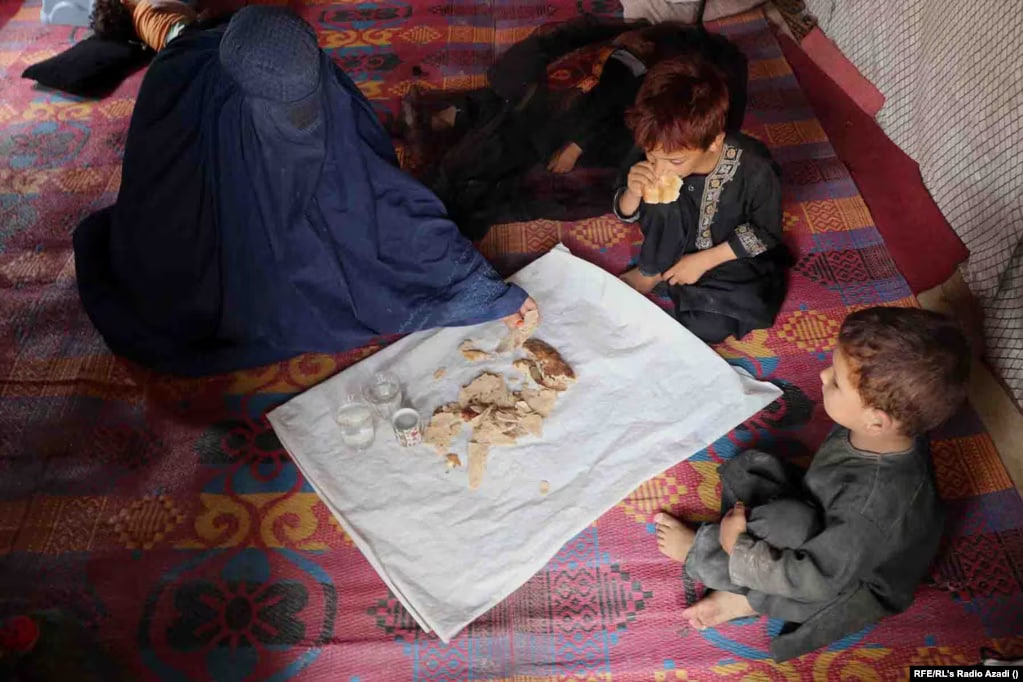
According to the United Nations, about 17.4 million people in Afghanistan — more than a third of the population — are expected to face acute food insecurity in spring 2026, including 4.7 million in emergency conditions.
The situation is compounded by rising numbers of returnees. In 2025 alone, around 2.8 million Afghans were deported from Iran and Pakistan.
The World Food Programme has warned of a critical funding shortfall, with its $1.71 billion humanitarian appeal only 10% funded and emergency resources potentially running out by April.
Search for alternatives and risks of instability
Afghanistan has sought to diversify its trade routes, including expanding links with Central Asia and increasing use of the Chabahar port. However, ongoing regional instability raises doubts about the reliability of these alternatives.
Gagnon warned that without urgent action, Afghanistan could once again become a source of regional and global instability, including increased migration, terrorism, and drug trafficking.
She called for de-escalation and the restoration of humanitarian access, while also stressing the need for Afghan authorities to demonstrate credible commitments to counterterrorism.