
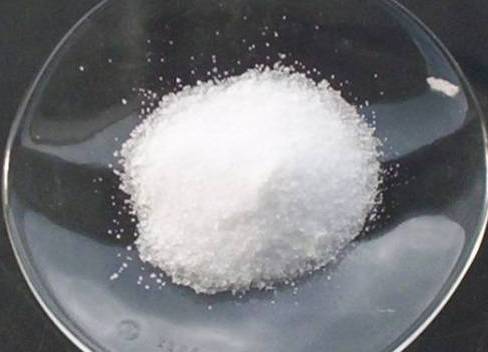
DUSHANBE, February 25, 2012, Asia-Plus — The cause of the fatal food poisoning in Kulob was presence of sodium nitrite in high concentration in post-funeral meal, a source at the Republican Center for Sanitary and Epidemiological Supervision said.
According to him, chemical analysis of the food revealed the presence of sodium nitrite in high concentration. “Epidemiological data have indicated that the food poisoning occurred due to the accidental use of sodium nitrite instead of table salt in the preparation of “atolla” (Tajik national pottage),” the source said.
We will recall that five persons have died of an acute food poisoning in the city of Kulob.
Mirali Mirzoaliyev, deputy head of the Khatlon health directorate in charge for the Kulob region, said twenty-two people diagnosed with acute food poisoning were hospitalized in the city of Kulob on February 23. “All of them participated in funeral ceremony of their relative and they got poisoned after eating “atolla” that was accidentally seasoned with unknown chemical substance instead of table,” Mirzoaliyev said.
An accidental food poisoning resulted in the death of five of the 22 affected persons.
Of the remaining 17 effected persons, five persons are already out of hospital and eleven others are also preparing for discharge from the hospital, only one, whose health condition is assessed as moderately severe, will remain in the hospital.
Sodium nitrite is the inorganic compound. It is a white to slight yellowish crystalline powder that is very soluble in water and is hygroscopic. It is a useful precursor to a variety of organic compounds, such as pharmaceuticals, dyes, and pesticides, but it is probably best known as a food additive to prevent botulism.
Both nitrites and nitrates are used in curing meats and making sausages. Nitrites are used for all types of sausages and are the most common. Nitrates are used only in the preparation of the cured dry style of sausages. Over a period of time the nitrates are converted into nitrites by endogenous or added bacteria.
While sodium nitrite will prevent the growth of bacteria, it can be toxic in high amounts for animals, including humans.