
DUSHANBE, January 6, 2014, Asia-Plus – According to information posted on an official website of Uzbekistan’s Customs Committee, Uzbek customs officers prevented illegal transit of 20 stolen cars from Europe to Tajikistan in 2013.
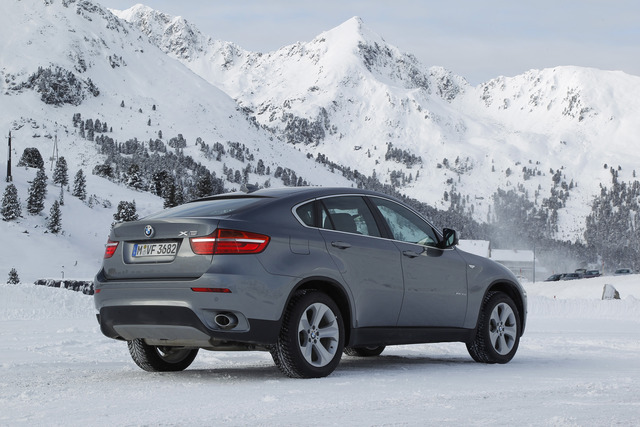
In-depth inspection of Tajikistan-bound train that was carried out at the customs checkpoint in Tashkent region on January 7, 2013 reportedly revealed 8 BMW X6s, 2 BMW X5s, one BMW Sedan 525D, one Honda CR-V, and one Honda Civic Hybrid to the total amount of 1.35 billion Uzbek som that were concealed from customs control.
2 Lexus RX-450Hs and one Honda, concealed from customs control, to the total amount of 430 million Uzbek som were reportedly revealed on April 8, 2013.
2 BMW X6s, one BMW X5 and one Honda to the total amount of 750 million Uzbek som were revealed on May 14, 2013.
Besides, 2 Range Rovers Westminster, one Range Rover Sport SESDV6, one BMW 550i 2012, and one OPEL ASTRA FCC-1.6, were reportedly revealed on August 23, 2013. The study of shipping documents established that shipper is Latvian Closed Joist-Stock Company (CJSC) EUROFIRE and consignee is a Tajik national. Inspection through the Interpol National Central Bureau for Uzbekistan has reportedly revealed that the mentioned cars were stolen from the territory of the European Union.
The German daily
Bild
reported on December 19 that around 200 cars stolen in Germany have been tracked down in Tajikistan. According to
Bild
, most of the stolen cars are now owned by people connected to President Emomali Rahmon.
Bild
said the cars were located in Tajikistan through the vehicles” GPS tracking systems. Tajik Embassy in Berlin dismissed the allegation as unfounded. The embassy said it had in the past asked Berlin to provide information from its database of stolen cars to Tajik authorities to prevent their illegal import into Tajikistan.
Tajik MFA said p December 20 that it is looking into report released by German media. The ministry cast doubts on the claim, saying “German cars cross several state borders before reaching Tajikistan” and that “any falsified documents would have been discovered by customs services on those borders.”