
DUSHANBE, April 8, 2015, Asia-Plus – Issues related to challenges and threats in the Collective Security Treaty Organization (CSTO) area of responsibility (AoR) are a major topic of a two-day meeting of the CSTO Military Committee that kicked off in Dushanbe today.
According to the CSTO Secretariat, the meeting, presided over by First Deputy Minister of Defense of Tajikistan also Chief of the General Staff of the Armed Forces of Tajikistan, Zarif Sharifzoda, is discussing prospects of development of the CSTO Rapid Reaction Forces, organization of air defense within the format of the CSTO as well as training of military personnel for the CSTO member nations.
The CSTO First Deputy Secretary-General, Valery Semerikov, is participating in the meeting.
The Military Committee was set up at the CSTO Council of Defense Ministers and its members include chiefs of general staffs of the armed forces of the CSTO member nations.
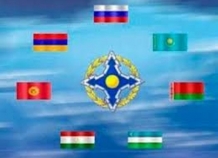
The regional security organization was initially formed in 1992 for a five-year period by the members of the CIS Collective Security Treaty (CST) — Armenia, Kazakhstan, Kyrgyzstan, Russia, Tajikistan, and Uzbekistan, which were joined by Azerbaijan, Georgia, and Belarus the following year. A 1994 treaty reaffirmed the desire of all participating states to abstain from the use or threat of force, and prevented signatories from joining any “other military alliances or other groups of states” directed against members states. The CST was then extended for another five-year term in April 1999, and was signed by the presidents of Armenia, Belarus, Kazakhstan, Kyrgyzstan, Russia, and Tajikistan. In October 2002, the group was renamed as the CSTO. Uzbekistan that suspended its membership in 1999 returned to the CSTO again in 2006 after it came under international criticism for its brutal crackdown of antigovernment demonstrations in the eastern city of Andijon in May 2005. On June 28, 2012, Uzbekistan announced that it has suspended its membership of the CSTO, saying the organization ignores Uzbekistan and does not consider its views. The CSTO is currently an observer organization at the United Nations General Assembly.