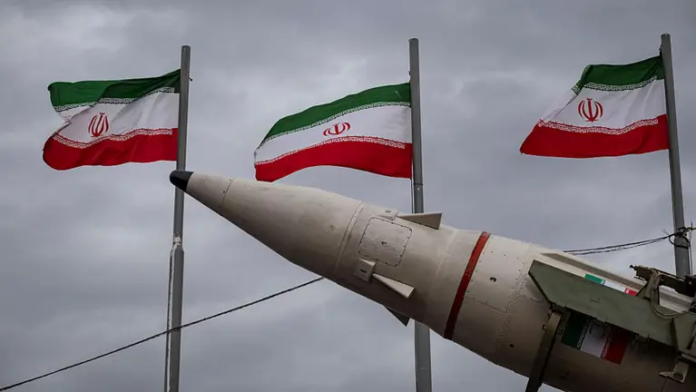
Four weeks after the beginning of the war between the USA and Israel against Iran, the strategic picture of the conflict is becoming increasingly complex. Contrary to the expectations of Western powers, Iran is demonstrating determination and readiness for a protracted war, holding back attacks and adapting its military strategy. What are the real objectives of both sides, and are the USA and Israel prepared for a long war in Iran?
Saadi Khamid, a Tajik analyst residing in the USA, shared his opinion with “Asia-Plus.”
According to the official version from Washington and Tel Aviv, their goal is to destroy Iran’s nuclear program, its naval forces, eliminate the leadership of the Islamic Republic, and ultimately change the political regime in the country.
The USA and Israel have already achieved one of their important objectives – the assassination of several high-ranking Iranian leaders, including Ali Khamenei and Ali Larijani, the Secretary of the Supreme National Security Council of Iran. Although the Islamic Republic has been seriously shaken by such strikes, its military strategy is not destroyed, and the country is preparing for a prolonged war.
Furthermore, the assassination of the Secretary of the Supreme National Security Council of Iran and Minister of Intelligence Ismail Khatib does not necessarily lead to the defeat of the state. In case of the death of key leaders, a mechanism for transferring powers and making more independent decisions by military units has been pre-established.
Most understand that the so-called “regime change” and “bringing freedom” to Iran practically mean the destruction of the country’s infrastructure, a deterioration in the quality of life for the population, the destruction of historical heritage, human casualties, and undermining Iran’s territorial integrity.
Even now, the Central Intelligence Agency (CIA) is making efforts to arm the Kurdish opposition, which may become the beginning of a process to weaken the unity of the country.
In the early days, Donald Trump and Benjamin Netanyahu believed that following a military strike and the weakening of the Islamic Republic, the opposition would be able to overthrow the government. However, the opportunities for this have already been missed.
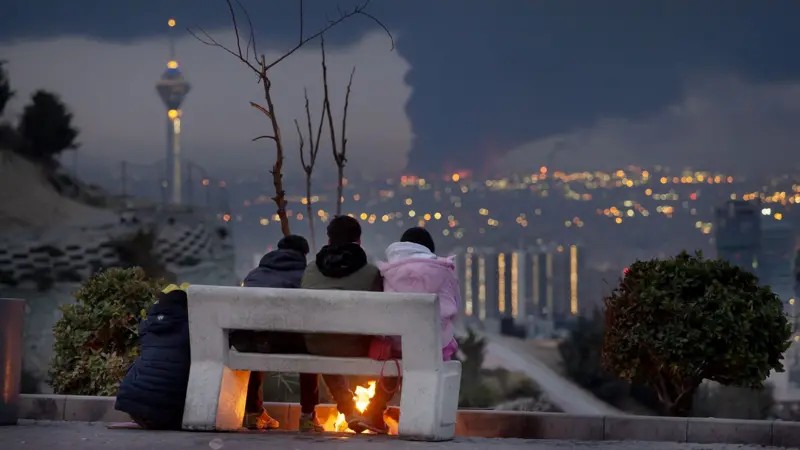
The decision to attack Iran seems to have been based not so much on precise calculations and intelligence, but rather on the assumption that the Iranian state would quickly be defeated.
Such assumptions are far from reality, as there is currently no organized and armed opposition force within Iran.
Events in Venezuela – the military operation by the USA in Caracas and the kidnapping of President Nicolás Maduro – may have convinced Trump that a similar operation could be quickly carried out against Iran as well. However, the key point is that Trump’s plan anticipated a short and limited military campaign, without a clear strategy in case of a prolonged and large-scale war, especially from a political standpoint.
Compared to the USA, Israel is more prepared for a prolonged war with Iran. According to a survey conducted by one of the Israeli research centers, 82% of the Israeli population supports a war with Iran.
In the USA, the situation is different. Anti-war pressure on Trump’s administration is expected to increase. A prolonged and large-scale war with Iran is unpopular among Americans. One of Trump’s main electoral promises was to end US intervention abroad; however, his military policy contradicts these statements and has already led to a decline in his popularity domestically. According to the latest data, about 60% of Americans oppose war with Iran.
Vulnerability of Oil Infrastructure
Iran, facing serious pressure from the USA and Israel, is acting contrary to Trump’s expectations and seeks to expand the scale of the war and, if necessary, make it protracted.
Trump expected the war to be short and limited, and that serious consequences for the region and the global economy could be avoided. However, damage to regional stability and the global economy has already been done.
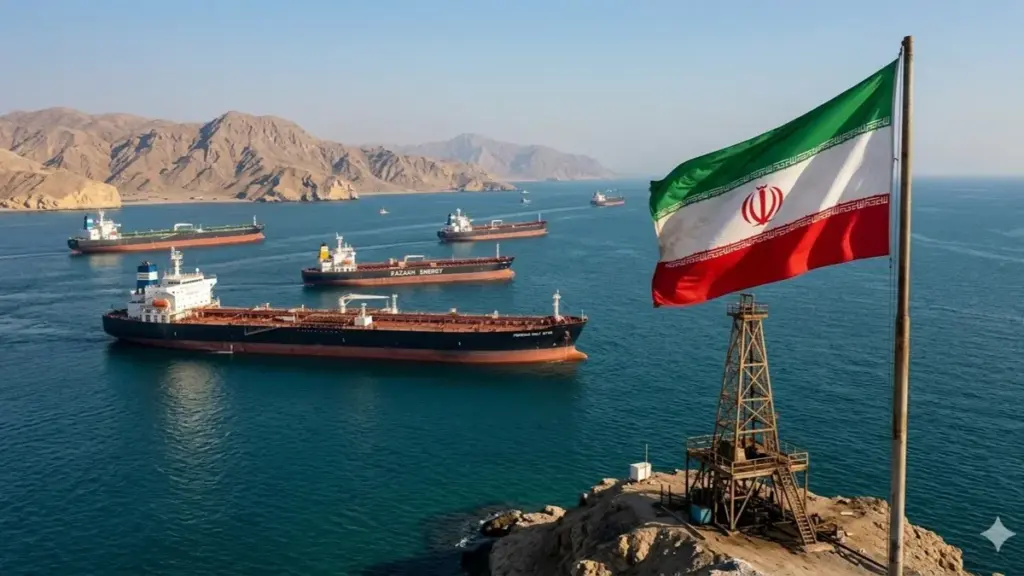
Iran has managed to almost completely halt the flow of oil trade through the Strait of Hormuz, through which about 20% of global oil supplies previously passed. Currently, shipping traffic has sharply decreased, which has already led to an increase in global oil prices.
Despite bombings and the elimination of several high-ranking Iranian leaders, Iran’s opponents have so far failed to establish control over the Strait of Hormuz. However, US and Israeli attacks on the oil infrastructure in southern Iran, as well as a potential strike on Qeshm Island in the Persian Gulf – a key point through which about 90% of Iranian oil is exported – could significantly escalate the scale of the war.
In such a case, Iran’s response could be attacks on the oil infrastructure of the Persian Gulf countries.
The expansion of the conflict to Arab countries in the region is not accidental. The escalation of the conflict could undermine the stability of these states and compel them to put pressure on Trump to end the war.
Iran’s Strategy and the Influence of US Domestic Politics
Iran’s preparation for a prolonged war could lead to increased political and psychological costs for Trump’s administration. The American public has a negative perception of senseless wars unless the president can present them as victories.
Moreover, the internal political situation in the USA is also changing. The likelihood of Democrats winning the midterm elections in Congress may increase precisely because of the war initiated by Trump. In this case, pressure on the administration to conclude the conflict may intensify.
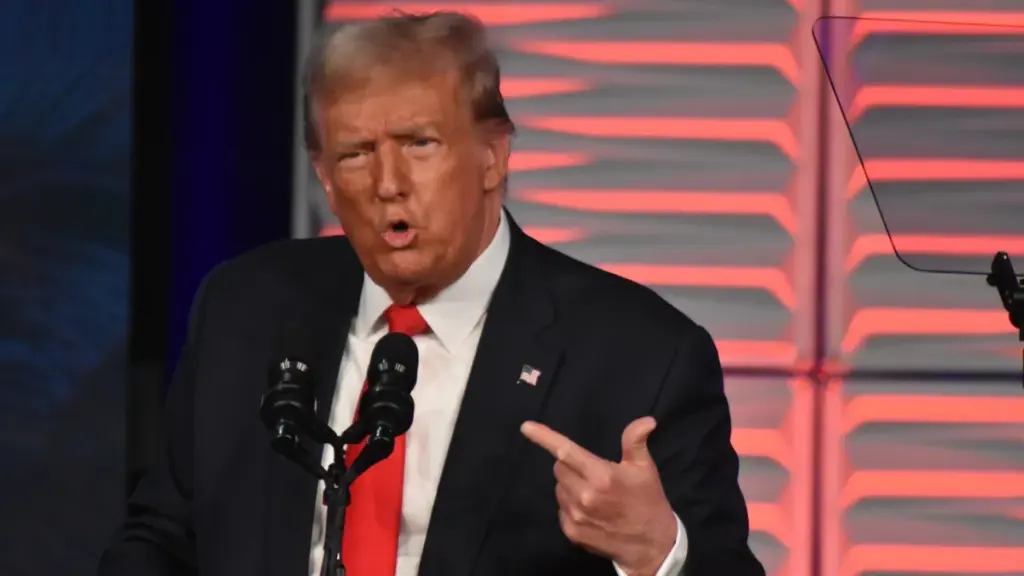
Iran is effectively resorting to asymmetric warfare, trying to compensate for its military lag behind stronger opponents.
Asymmetric warfare implies the use of unconventional methods and means to neutralize the military superiority of the enemy.
Such methods include:
– decentralized decision-making in military matters after the death of leaders,
– the use of cheap drones,
– the activation of allied forces: “Hezbollah” in Lebanon, Houthis in Yemen, Shiite groups in Iraq.
Nevertheless, the Islamic Republic will not be able to defeat the USA and Israel solely on the battlefield, although its drone warfare strategy is already forcing opponents to incur significant defensive expenditures.
Therefore, Iran’s counter-strategy includes not only military but also political and psychological methods of pressure, primarily on the leadership of the USA.
Conclusion
One hasty and ill-considered decision by Trump was enough to initiate a process of revising the entire security architecture based on American influence, both in the region and globally.
The rise in prices for essential goods, especially fuel in the USA, has already become one of the consequences of the war against Iran. This may weaken Trump’s position domestically and ultimately lead to the failure of his military policy.
The strategy of the Islamic Republic is based on a rational assessment of the weaknesses of its opponent. Despite significant losses and pressure, this strategy may prove effective in the long run.
However, the world is currently witnessing only the initial phase of the conflict, and the likelihood of its expansion and prolongation remains high. As events unfold, new unexpected factors may arise, making it extremely difficult to predict the course of the war.
After the deaths of several top leaders, Iran transitioned to a decentralized decision-making system so that armed forces could quickly make key military decisions without direct instructions from the top leadership.
However, the consecutive assassinations of high-ranking Iranian leaders in a crisis also pose serious dangers, as such strikes could disrupt the coordination and integrity of the military system.
Therefore, the success of Iran’s strategy will largely depend on its ability to withstand pressure and respond flexibly to the actions of the USA and Israel.