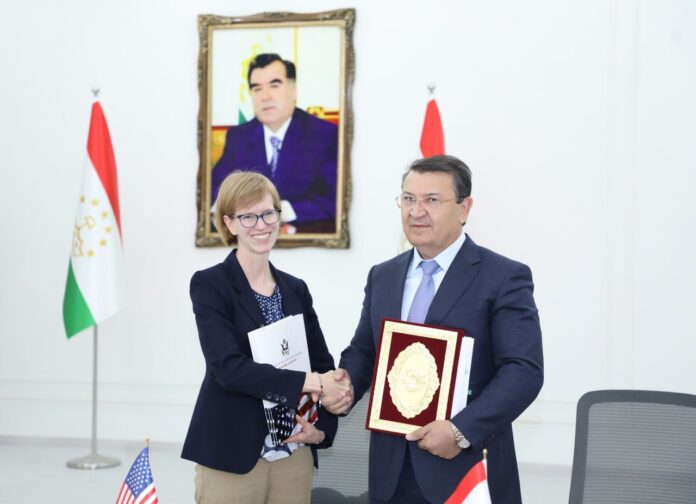
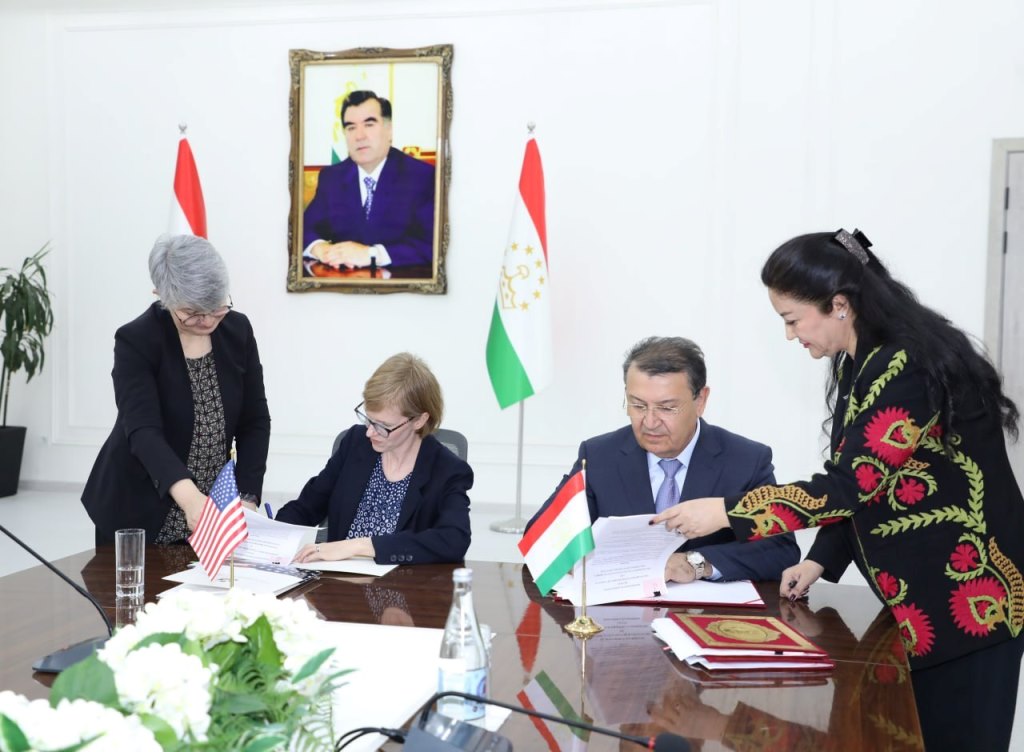
A memorandum of cooperation between Tajikistan and the United States in the field of healthcare has been signed in Dushanbe for a period of 5 years. The total amount of joint investments until 2030 will be approximately 78 million dollars, the Ministry of Health of the country reports.
The document was signed on April 6 during a meeting between the Minister of Health of Tajikistan, Jamolidin Abdullozoda, and the Chargé d’Affaires of the United States, Relits Roker.
The agreement provides for support in key areas of healthcare, including the fight against HIV and tuberculosis, as well as strengthening the infectious disease response system.
As part of the cooperation, the parties plan to develop disease detection and monitoring systems, modernize laboratories, information systems, and coordination mechanisms. Special attention will also be paid to strengthening the human resources capacity of the sector and implementing digital technologies in healthcare services.
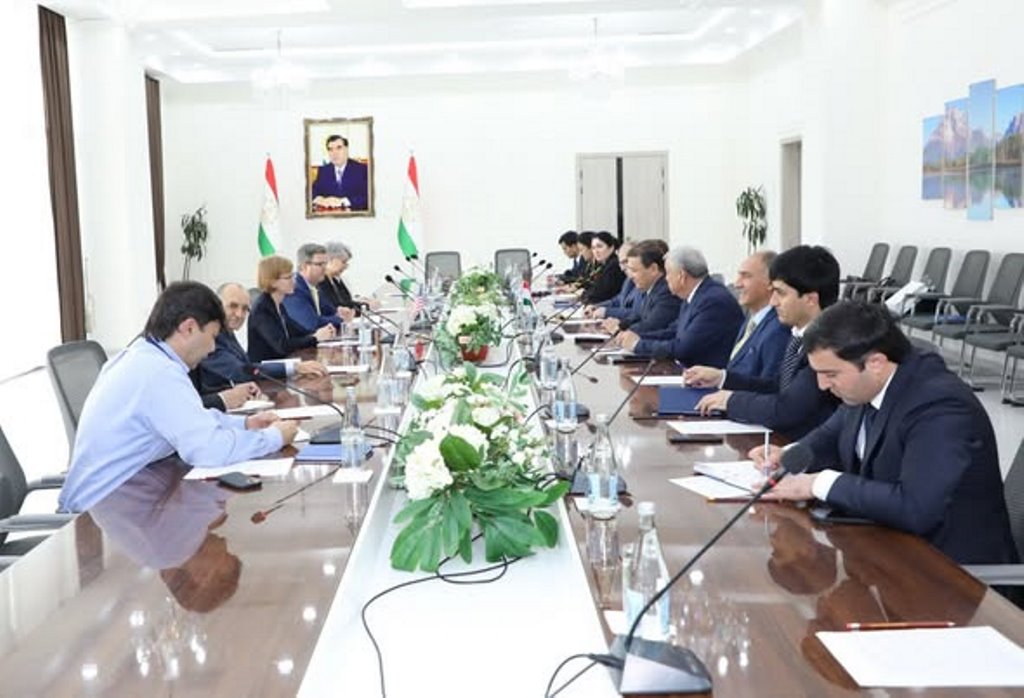
It is reported that the United States intends to provide financial and technical assistance for the implementation of joint priorities in coordination with the government of Tajikistan.
Tajikistan transitions to self-sufficiency in HIV medications
It should be noted that earlier the Republican Center for the Prevention and Control of HIV/AIDS reported that there was no shortage of medications for the treatment of HIV in Tajikistan, despite the completion and reduction of several international aid programs. The provision of essential medical services and medications for people living with HIV continued in full.
In 2025, the new administration of the White House took a course towards reducing international aid. In particular, U.S. President Donald Trump decided to suspend over 90% of foreign aid programs through the U.S. Agency for International Development (USAID), which coordinated overseas civilian assistance. As a result, initiatives for HIV prevention were also at risk.
The center also noted that until the end of 2024, the purchase of medications for the treatment of HIV was fully financed by the Global Fund. However, starting in 2025, the republic began to involve the state budget in the procurement of antiretroviral drugs. Thus, already in 2025, medications were purchased for patients living with HIV using budget funds.
In addition, other expenses related to prevention, diagnosis, treatment, and social support for people with HIV were also covered by the state budget. These included the purchase of diagnostic tests, medications for the treatment of opportunistic infections, provision of milk formulas for children, and payment of government benefits to children living with HIV.
Tajikistan has also made a strategic decision to gradually transition to self-sufficiency in the procurement of medications for the treatment of HIV. The state planned to increase funding by 10-20% annually, and this process was initiated last year.
The center then noted that within the framework of the ongoing Global Fund grant, treatment for viral hepatitis C among people living with HIV was planned. Starting in March of this year, the country plans to begin treatment for 1,000 patients with co-infection of HIV and hepatitis C.