Citing data from the FSB of Russia, Vedomosti reports that 1.44 million citizens of Tajikistan arrived in Russia in 2025; of them, 950 thousand came for work purposes.
This is approximately 15% less than in 2024, when, according to the FSB, about 1.7 million Tajiks entered the country (of which 1.04 million were labor migrants).
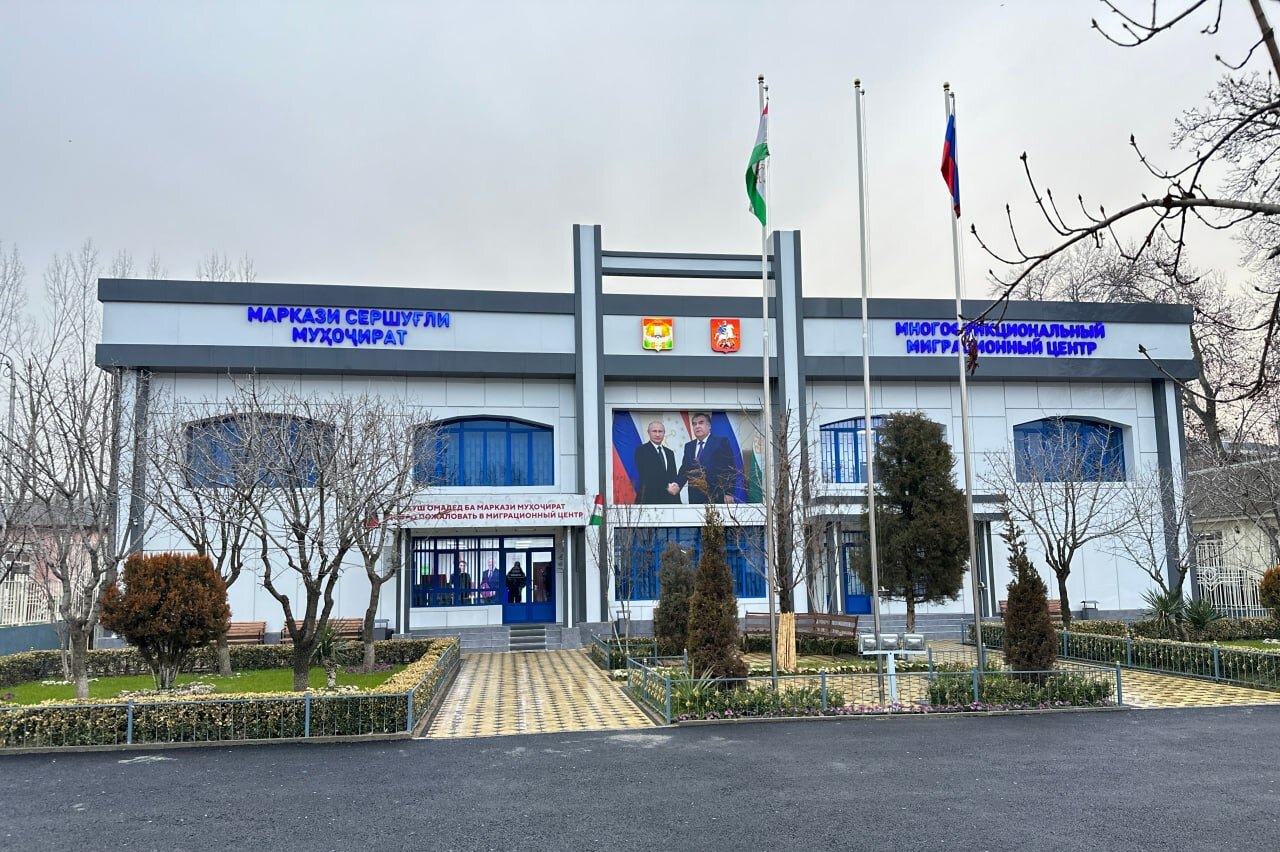
Russia is preparing to ratify an updated agreement with Tajikistan on the organized recruitment of citizens for temporary work. The changes have already been approved by the government commission and will be submitted for approval.
The document aims to develop the organized recruitment system — a mechanism under which foreign workers arrive in the country for a specific employer, for a specific position and duration. This approach is intended to make migration more controlled and legal.
According to the amendments, key stages of worker preparation will be moved to Tajikistan. There, candidates will be able to undergo training in advance, including Russian language courses, and take exams on the language, history, and fundamentals of Russian legislation. These requirements are necessary for obtaining a work patent.
Additionally, candidate checks will be conducted in the republic: the Ministry of Internal Affairs of Tajikistan will check for criminal records and searches, while the Russian side will collect biometric data, including fingerprints and photographs.
Medical examinations, including HIV testing, are also planned to be organized in advance — through Russian medical organizations or their representatives in Tajikistan.
According to “Vedomosti,” there are currently over 1 million citizens of Tajikistan working in Russia. The relocation of some procedures to the country of origin, experts estimate, will help reduce the burden on migration services and minimize the risks of violations during employment.
The experiment on organized recruitment is planned to be launched in 2027 in most regions of Russia (excluding Moscow and the Moscow region) and extended until 2029. Within this framework, foreign workers will be required to work for a specific employer and under predetermined conditions.