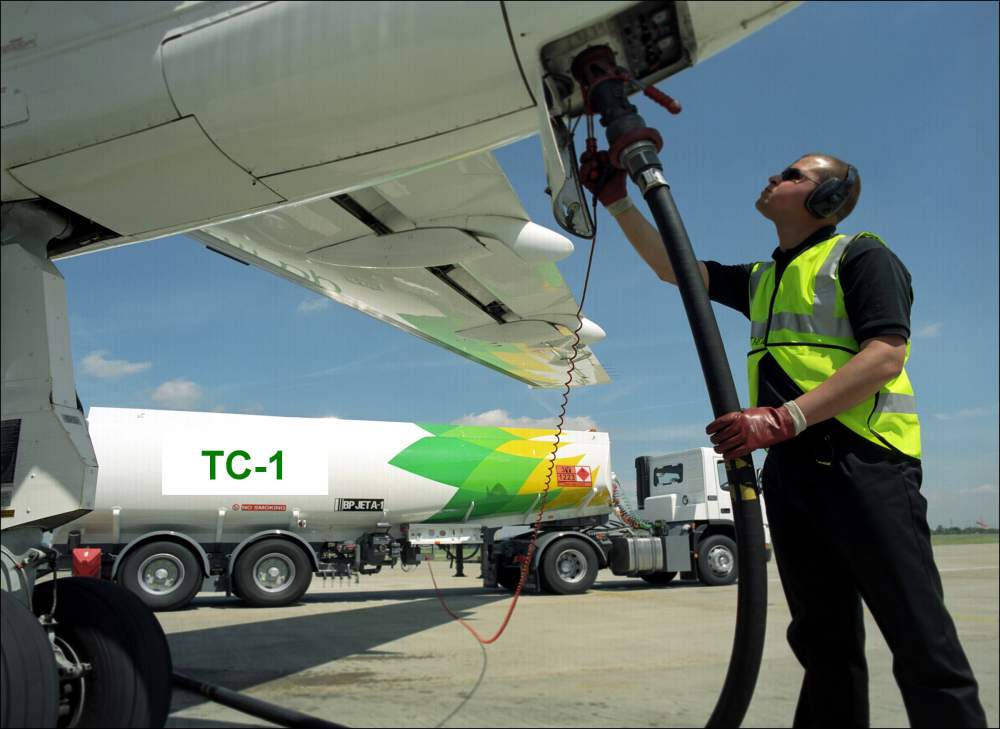
Today, planes of Tajik air carriers tend to land at airports of neighboring countries for refueling. Passengers are indignant and refuse to travel on domestic airlines' flights. Tajik Air and Somon Air bear losses but they can do nothing. Chronic problems of Tajik airlines can thwart government’s plans on development of tourism. Who is to blame?
Since May this year, Tajik airlines have been forced to land at airports of neighboring countries for refueling.
In recent years, aviation fuel at Tajik airports has become the most expensive in the region. Tajikistan’s privately owned air carrier, Somon Air, has recently announced that henceforth, it flights from Tajikistan will last one hour more because of forced refueling at airports of neighboring countries. Similar situation is reported at the Tajik national air carrier, Tajik Air, as well.
The main reasons for forced refueling at airports of neighboring countries are high cost of aviation fuel in Tajikistan and shortage of it in the country. A lack of fuel supplies to Tajikistan’s airlines is reportedly forcing the carriers to perform layovers at foreign terminals during long international flights.
The problem has reportedly stemmed from a disagreement over money owed by the airlines to the Open Joint-Stock Company (OJSC) Fuel Supply Company, which occupies a monopoly position on Tajikistan’s aviation fuel market.
Chief accountant at Fuel Supply Company, Ramazon Qurbonov, says Tajik Air now owes 27 million somoni to the Company, while Somon Air’s fuel debts are even more.
Tajikistan reportedly buys aviation fuel in the Russian Federation and its wholesale price is some 660.U.S. dollars per ton. Meanwhile, at the Tajik airports this fuel is being sold at the rate of 1,200 U.S. dollars per ton.
For comparison, the price for one ton of aviation fuel at Kazakhstan’s airports is 800 U.S. dollars.
The antimonopoly agency, however, says the current price for aviation fuel set by Fuel Supply Company is quite a fair.
“The price for aviation fuel in Tajikistan includes value added tax (18 percent). Besides, Fuel Supply Company pays an excise duty. All these factors influence the aviation fuel prices in Tajikistan,” Nazar Odinazoda, the first deputy head of the antimonopoly agency, told Asia-Plus in an interview.