Recall, a video uploaded to YouTube on October 8 shows an unidentified Tajik official in the yard of a mosque insulting parishioners and demanding that the mosque be shut down.
When parishioners said that they will complain to the authorities and he will answer for insulting, he said, “Yes, I will answer. Shut down the mosque, otherwise I will f… all of you together with mullah. I have warned you for already six months.”
“Go and complain wherever you want! I will say that you are Salafis,” the official added.
A source at the Committee on Religious Affairs (CRA) says the official has been identified as Shokirjon Kholdorov. He works as senior specialist on "tanzim" or the regulation of traditions and rituals in the Choryakkoron settlement, Roudaki district.
The incident took place in the mosque of the Mehrobod village. Residents of the Qiblai village were relocated to this village in 2004 because of the threat of landslide.
200 families now live in the Mehrobod village and they built the mosque four years ago.
One of the village residents say they have certificate and permit for function of the Muhammadikrom mosque issued by the district administration in August 2015. “We have regularly paid taxes, but after the incident, representatives of local authorities came and sealed the mosque,” said the man. “They say not all documents were collected. Even If it is so, how the man representing the authorities can treat people in such a manner?!”
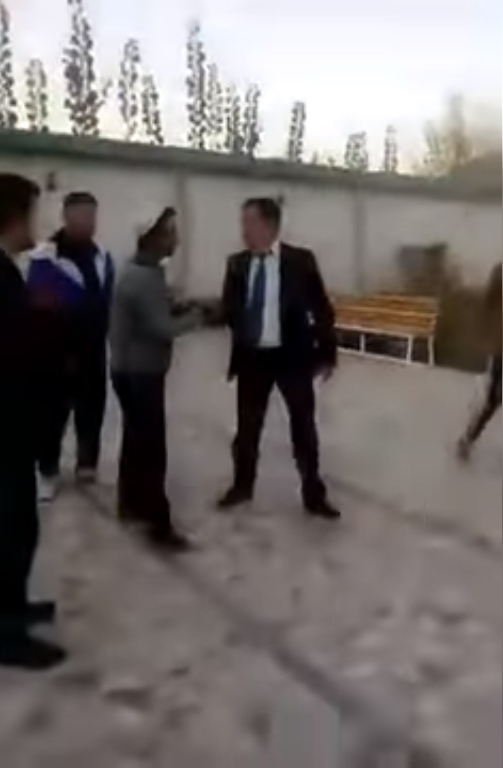
Meanwhile, Shokirjon Kholdorov, who has worked as senior specialist on "tanzim" in the Choryakkoron jamoat since 2015, told Radio Liberty’s Tajik Service on Monday that he had spent three days in the pretrial detention facility of the Roudaki police department, paid a 500 somoni fine and got back to work.
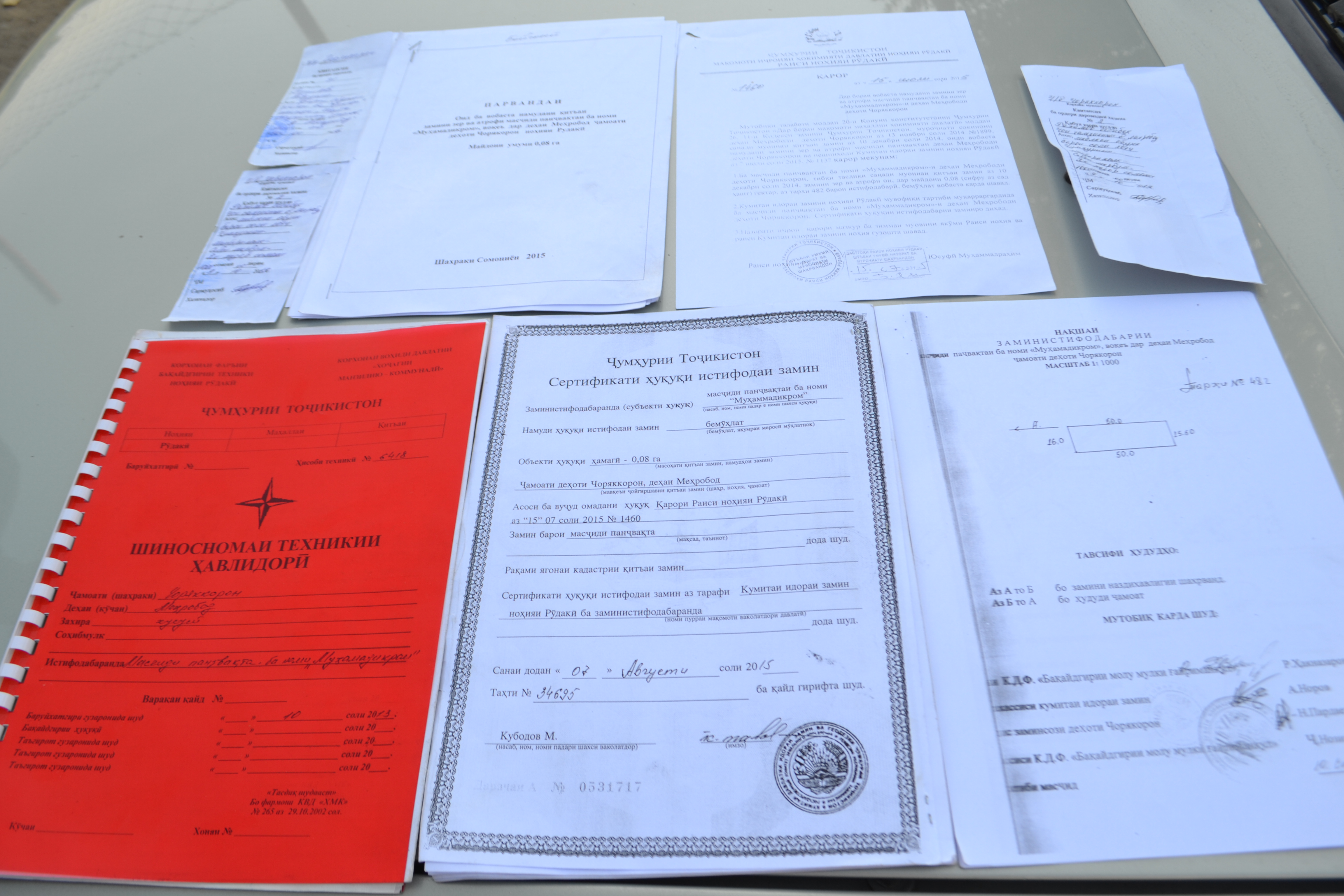
A government campaign to shut down unofficial mosques in Tajikistan appears to be driven by fears some of them may be used to preach Islamic fundamentalism. But critics warn that indiscriminate closures will leave many rural communities without a local mosque simply because they have not gone through a formal registration process.
The country’s religion law limits the number of mosques that may be registered within a given population area. Friday mosques are allowed in districts with 10,000 to 20,000 persons; five-time mosques are allowed in areas with populations of 100 to 1,000. The quotas are higher for Dushanbe, where Friday mosques may function in areas with 30,000 to 50,000 persons; five-time mosques are allowed in areas with populations of 1,000 to 5,000.




