

Tajik experts have outlined poverty, high taxes rates, corruption, unemployment, migration and radicalization of youth as main challenges facing modern Tajik society.
Poverty
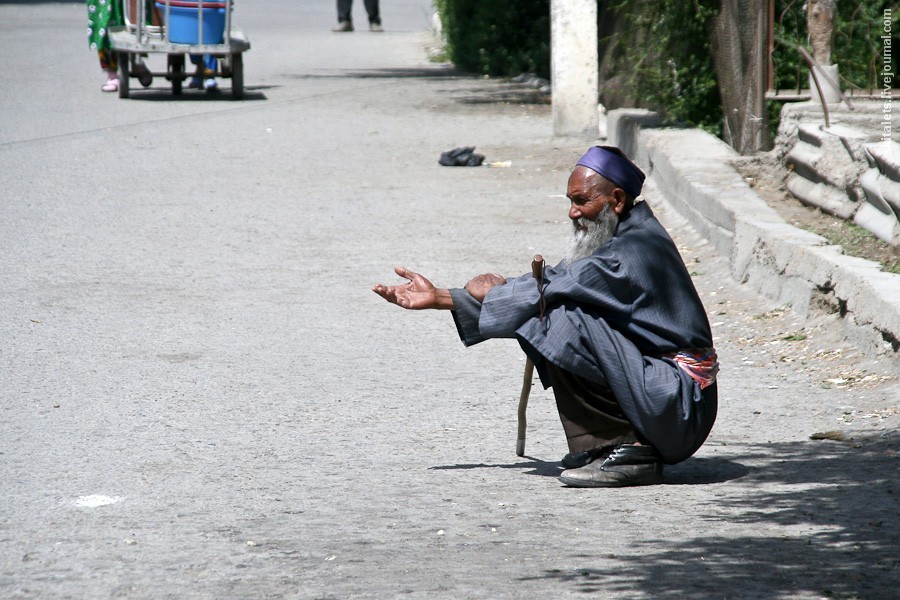
In Tajikistan, the proportion of people living below the national poverty reduced from 83 percent in 2000 to 31 percent in 2015. In 2016, 29.7 percent of the country’s population reportedly lived below the national poverty line. Progress is being made. However, it is a high rate of our small country, and if this problem is not solved it will become our common problem, experts say.
High tax rates and corruption
High tax rates, corruption and lack of system for protection of entrepreneur are another serious challenged facing Tajik society.
Thus, 588 private companies have been shut down and 12,000 individual entrepreneurs have been forced to stop working because of high tax rates and corruption. This is an alarming sign and undoubtedly has a negative impact on the country’s economy and Tajik society.
The authorities try to take efforts to address the arising challenges. In late November this year, the government endorsed the new program to prevent the possible risks on the country’s economy. The program, in particular, provides for a number of measures to support the socially unprotected sections of the population, the development of private sector and the regulation of labor migration in 2019.
Unemployment and migration
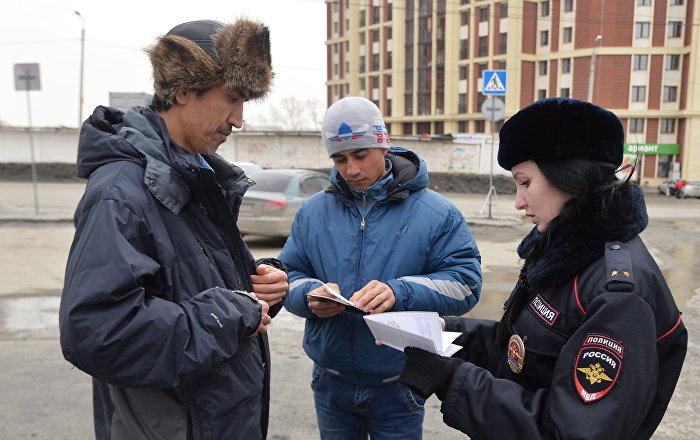
Weak economy and unfavorable conditions for development private business reportedly lead to acute labor shortages in the country that is redoubled by a high birth rate. According to experts, unemployment is one of the most serious problems facing Tajik society today. Meanwhile, the government and society do not treat this problem with due seriousness.
Therefore, many people are forced to leave the country seeking better employment opportunities.
According to the Minister of Labor Sumangul Taghoyzda, more than 664,000 people last year left Tajikistan for Russia alone. Although labor migration has its positive aspects, it creates a complex of problems – social, economic and political challenges in the field of security, the experts say.
Radicalization of youth
Difficulties of life in foreign lands lead to marginalization of a part of labor migrants that leads to radicalization of them and makes out nationals vulnerable to the influence of various extremist groups.
According to official data, some 2,000 Tajik nationals have joined the Islamic State (IS) terror group in Iraq and Syria. More than 400 Tajik nationals were reportedly killed in those countries fighting alongside IS militants.
Meanwhile, the experience shows that Tajik youth join extremist without leaving the country. The fatal terrorist attack on a group of foreign cyclists in Danghara district in July this year has become a wake-up call for Tajik society.
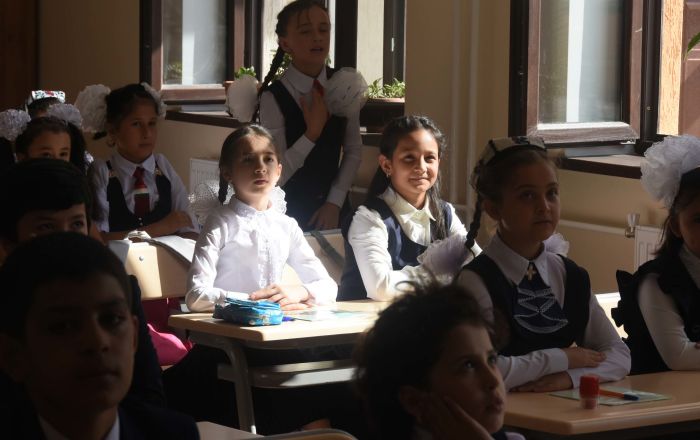
Tajik orientalist Said Ahmadov notes that poor level of religious and secular knowledge, poor living conditions as well as gaps in education in the family are also among reasons for radicalization of Tajik youth.



