

On January 10, 1897, a plague vaccine was first administered to a person. The creator of this vaccine, microbiologist Vladimir Khavkin, injected himself.
The third pandemic of the plague began escaping a natural focus in Central Asia and attacked China, Russia, and India. Vladimir Aaronovich Khavkin, just returned from India.
In Russia, Vladimir was considered politically unreliable as a member of extremist organization Narodnaya Volya. He was arrested three times and 8 years under the supervision of the police. Without much regret, the Russian ambassador issued a letter of recommendation to the British government, which invited Khavkin to India to test his cholera vaccine, another of Vladimir’s inventions.
The result was excellent – 93% of guaranteed protection. Believing Khavkin to be a wizard, the British called him again – now to fight the plague. They accepted a full-time biologist into the civil service, promised British citizenship, and a laboratory.
According to Nanobot Medical, the laboratory at Bombay College of Medicine was assigned with unprecedented generosity – a whole room. Lab staff consisted of one assistant and three couriers. The experimental animals were rats provided by sailors from ships coming from Europe.
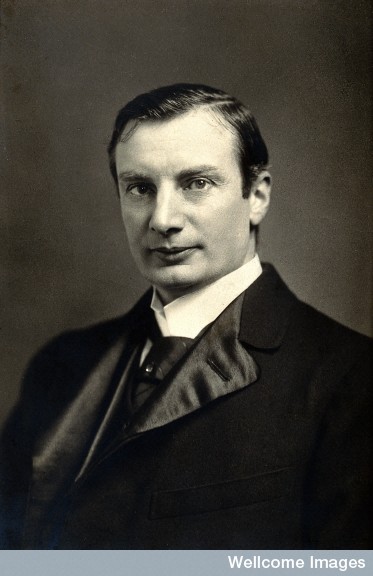
He chose the path that others did not follow: to make the toxin produced by the plague microbes. Bacilli were bred in meat broth. To provide bacteria with something to catch on, Khavkin dropped a drip of fat into the liquid. Microbes clutched at a greasy spot and grew down like stalactite. These “Khavkin stalactites” testified that bacteria felt great. From time to time, the flasks were shaken, the bacilli dispersed, another drop of fat was placed onto the surface, new microbes clung to it until the broth was saturated with the toxin.
Before injecting this poison into rats so that they develop immunity to the plague, the flasks were heated to 60 degrees – such pasteurization killed the bacteria, preserving their toxin intact.
A test batch was reportedly prepared in just three months. The laboratory assistant had a nervous breakdown, and Khavkin worked 14 hours a day: he was in a hurry, hundreds of people died around daily. At the same time, he also read lectures to local medical students about the future vaccine. Apart from them, no one would dare to get vaccinated even after the Russian microbiologist on January 10, 1897, drove the fourth dose of plague poison under his skin – 10 milliliters of toxin solution.
The Mandvi region, which was populated by the poorest, suffered the most. But they did not want to be vaccinated.
Only an influential person whom they trusted could convince them to get vaccinated. And such a leader was found. He addressed Khavkin personally.
It was Sultan Mahomed Shah Aga Khan, the 48th Imam of the Shia Imami Ismaili Muslims. Barely 20 years old then, this young man knew 5 languages and was well-versed in the sciences, so that he could evaluate the possibilities of the vaccine by the articles in the medical periodicals, according to Nanobot Meical..
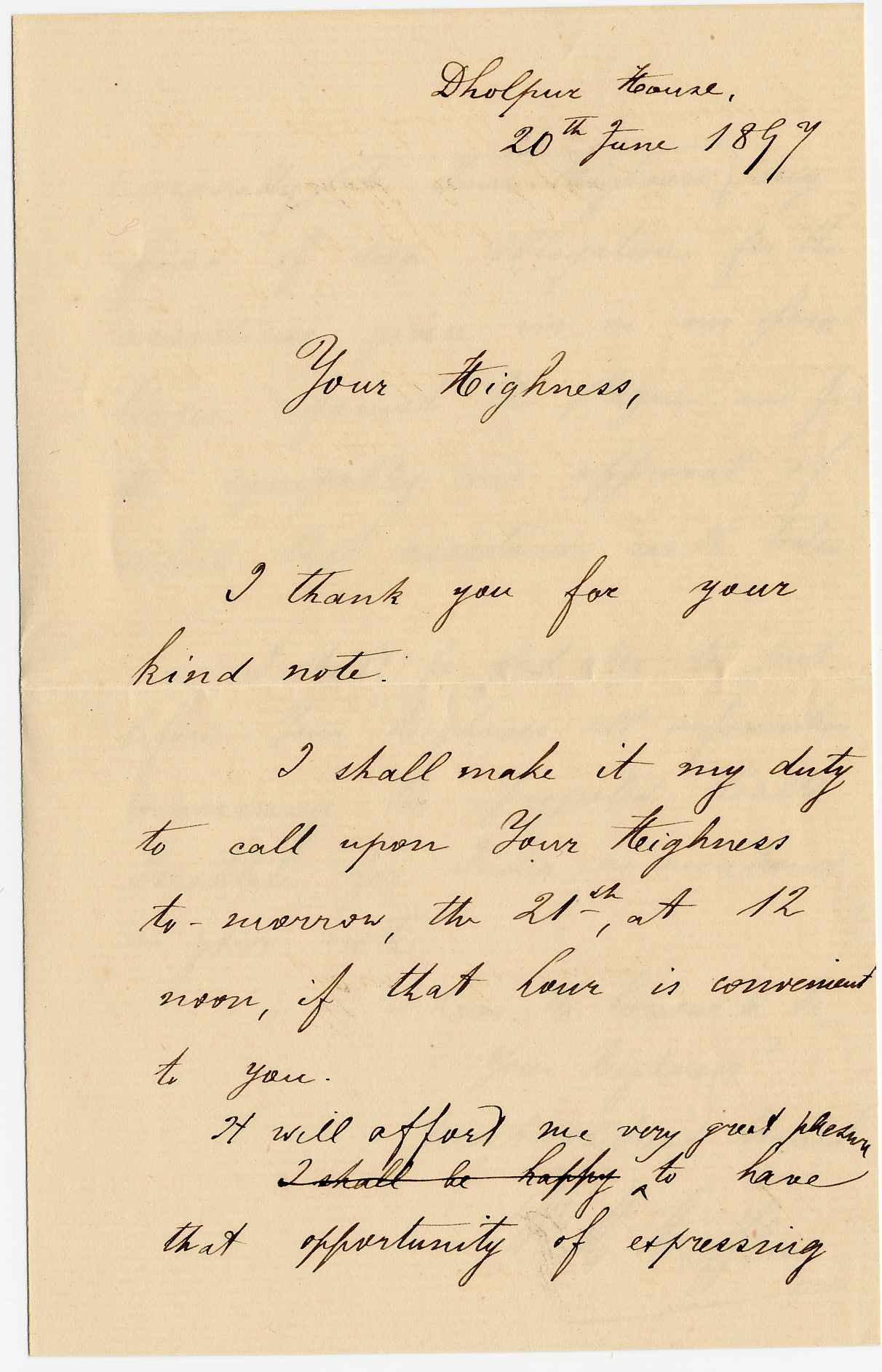
Nanobot Medical notes that at the request of the omnipotent Imam, Khavkin several times vaccinated him in front of crowds of Ismailis. Vladimir’s laboratory moved from a cramped room to Aga Khan’s luxurious villa, and the staff doubled. It worked.
Eleven thousand Ismailis were vaccinated immediately. The leaders of the Hindus also began to persuade their fellow believers to also vaccinate. Additionally, they announced Khavkin mahatma – a saint.



