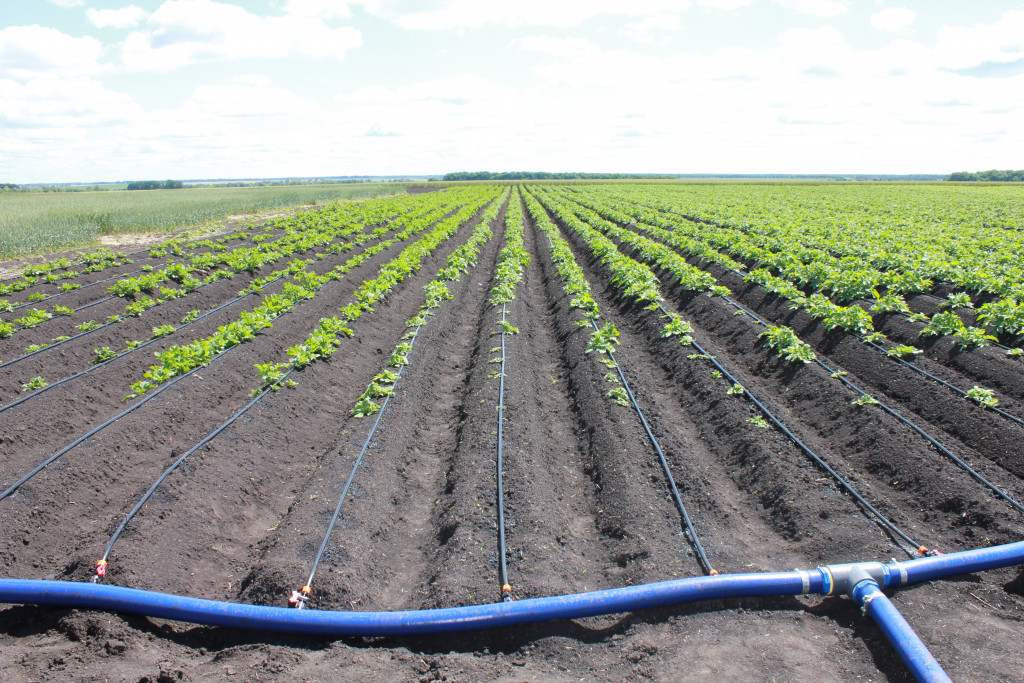
Experts from the United Nations Development Programme (UNDP) have identified five of the most promising types of digital agriculture technologies for farmers in Tajikistan.
They were discussed at the presentation of the preliminary results of the “Feasibility study of the possibilities of digital agriculture in Khatlon region of the Republic of Tajikistan”, which took place on August 28 in Dushanbe. Let’s see what are the technologies.
Agricultural drones
Agricultural unmanned aerial vehicles are an innovative solution to increase the productivity and efficiency of farms.
They provide accurate information about the area, topography, and soil specifics. In an hour of drone flight, you can collect detailed information about a land area of 16-20 hectares, create a 3D terrain model, evenly and accurately sow seeds, apply fertilizers and necessary pesticides.
The introduction of one agricultural drone into agricultural production costs a farmer about $ 21 thousand.
An agrodron (for example, the XAG V40 UAV) costs $ 18 thousand, $ 1 thousand is spent on batteries and software, an average of $ 2 thousand is spent on training and maintenance.
The use of an agrodron will reduce the cost of fertilizers, chemicals and seeds by 30%, due to their precise application, and increase crop yields by an average of 20%.
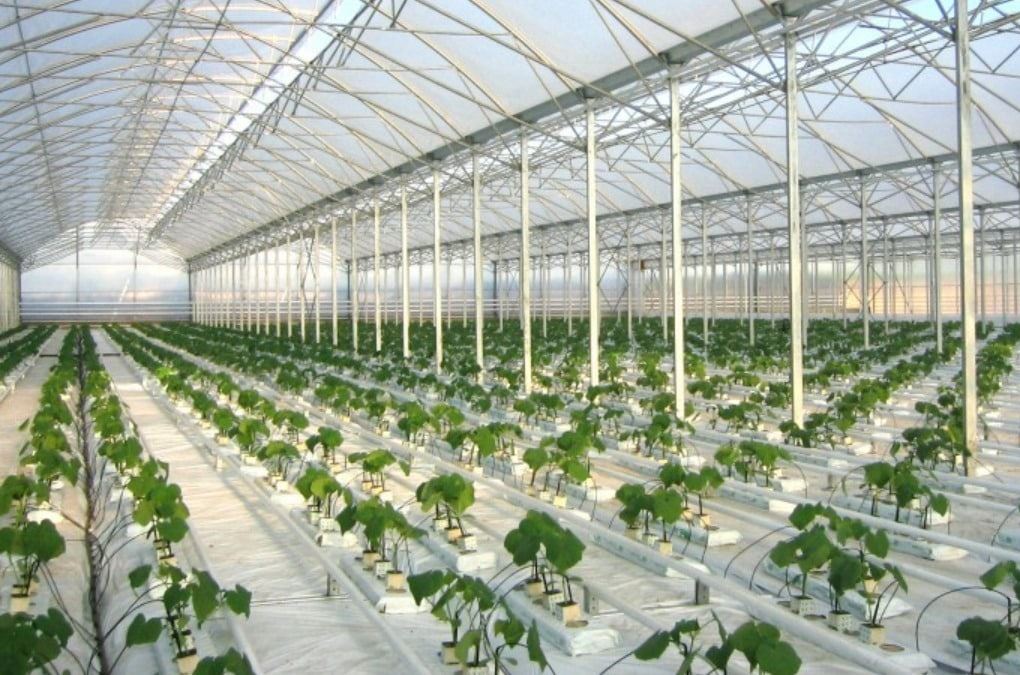
Smart greenhouses
Smart greenhouses are advanced technological solutions with a controlled environment that allow year-round cultivation of high-quality agricultural crops. Innovative greenhouses can significantly increase productivity and reduce labor costs. Smart greenhouses are equipped with lighting, climate control, irrigation, heating and carbon dioxide enrichment systems.
The cost of installing smart greenhouse technologies varies greatly depending on the equipment supplier, the size of the farm and the technologies used. The basic system of such greenhouses with a low level of technology costs from $ 30 thousand and above, and advanced systems with a high level of technology – $ 100 thousand.
Smart greenhouses can increase yields by 30% or more compared to traditional farming. If in the open ground, under optimal weather conditions, on average you can get 40-50 tons of tomatoes from 1 ha, then in smart greenhouses – 55-80 tons from 1 ha. In addition, unlike traditional seasonal farming, smart greenhouses can grow crops all year round.
It should also be noted that the cost of fertilizers, irrigation and other things is reduced by 20-30%.
Smart Pest Traps
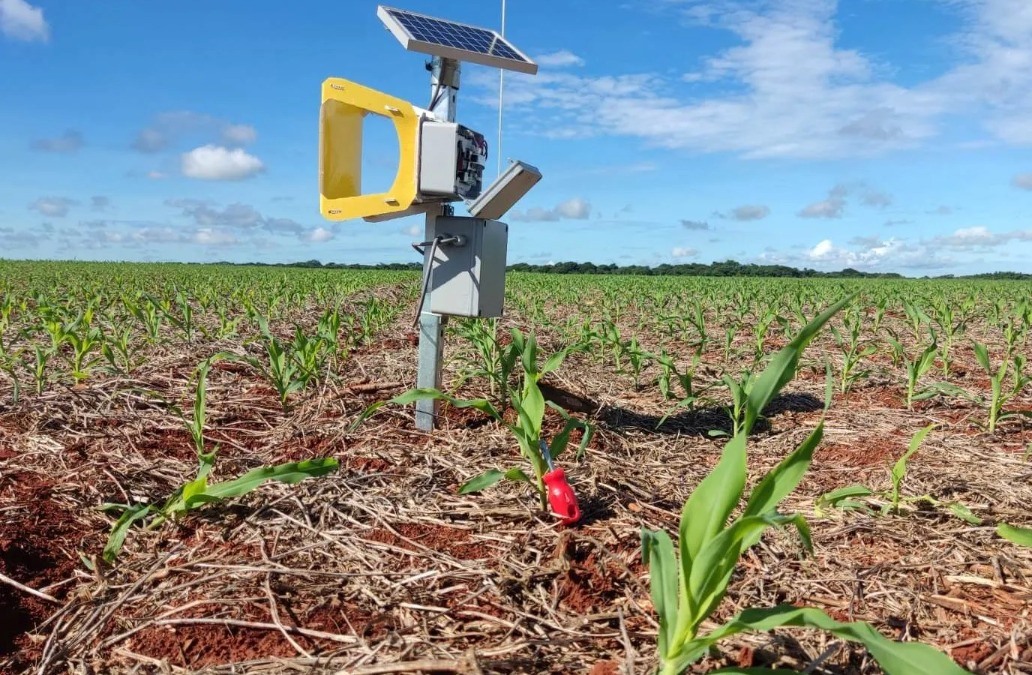
Smart insect traps demonstrate significant potential for improving pest control efficiency. Such traps use advanced technologies to monitor pest populations and provide timely notification of necessary measures. They allow you to reduce the use of chemicals, increase yields, reduce manual labor and reduce the detection time of pests.
The cost of purchasing and installing smart traps averages $300-500 per unit. Operating costs are negligible due to the use of solar energy, data storage in the cloud. Periodic maintenance costs $500 per year. The installation and training of smart trap technology is estimated at around $1,000.
Smart traps minimize the use of various chemicals, reduce the use of manual labor and increase yields.
GPS\GLONASS monitoring system
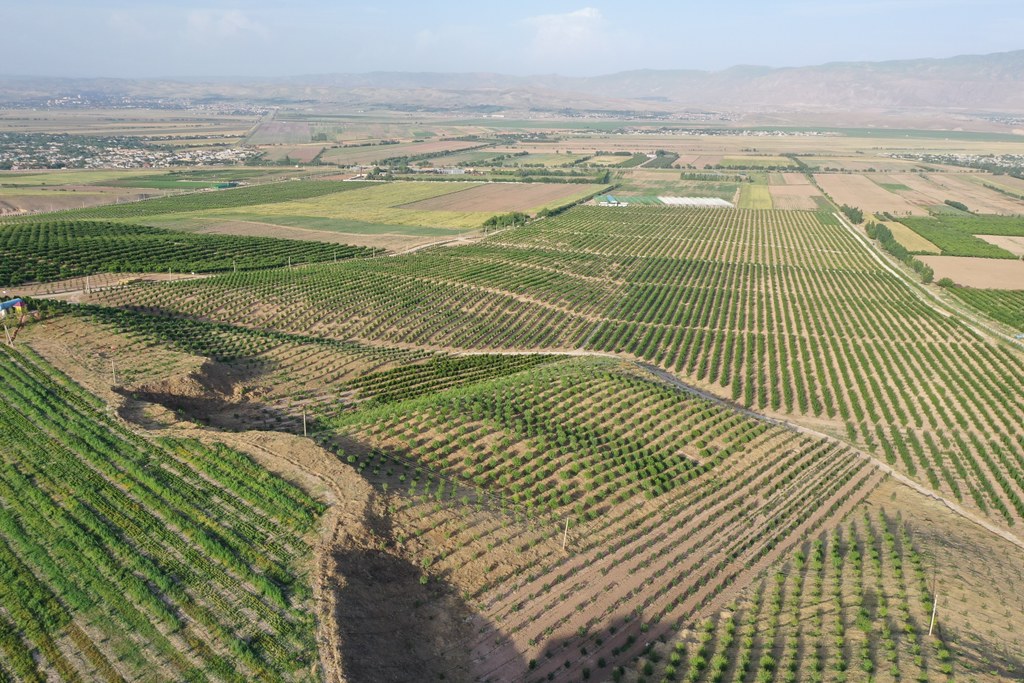
GPS\GLONASS technologies are used to obtain information about the state of fields based on satellite data, aerial surveys, weather data, and readings from ground sensors.
Field sensors, depending on the type and function, cost $500-1000. The fee for access to the platform costs from $200 to $1000 per month, depending on the services. Initial training and support are estimated at about $1,000.
The economic benefit of using GPS is that due to the establishment of optimal monitoring and control, resource savings (water, fertilizers, pesticides, etc.) are achieved by 20% and crop yields are increased by the same amount.
Smart irrigation systems
Smart irrigation systems combine Internet of Things (IoT) sensors, artificial intelligence and cloud computing to ensure accurate irrigation, reduce costs and increase crop yields.
When using a smart irrigation system, depending on the type of soil, crop and terrain, water savings are up to 50%.
The cost of purchasing and installing equipment (sensors, controllers, etc.), taking into account the complexity of the system, ranges from $2 thousand to $ 6 thousand. Support services for the system are estimated at between $300-500 per year. The cost of electricity for pumping systems depends on tariffs and the volume of its use.