The Ministry of Energy and Water Resources of Tajikistan (MoEWR), following the publication by Asia-Plus about the rise in prices and a shortage of liquefied natural gas (LNG) in the country, has explained the reasons for the price increase, while denying any shortage. The ministry says price hike has resulted from the rising cost of LNG in Kazakhstan, which provides the bulk of Tajikistan's LNG imports. However, the company Gazprom Neft – Tajikistan confirmed the presence of a gas shortage. Kazakhstan, citing rising demand, has again banned the export of LNG abroad for six months.
Mahmoud Bahrom, a spokesman for a MoEWR, told Asia-Plus on November 22 that the rise in liquefied gas prices in Tajikistan is due to price increases in producing countries.
"The price for 1 ton of liquefied gas, for example, in Kazakhstan, has recently increased from US$470 to US$550, and this is the reason for the price hike in our country as well," he said.
Bahrom denied information about a shortage of liquefied gas in Tajikistan, stating that "a working group checked the main fuel distribution points in the capital over two days, and liquefied gas was available at almost all of them."
According to him, the main suppliers of liquefied gas in Dushanbe are Alat LLC and Oriyo LLC. He claimed that there were no restrictions or shortages in these companies.
Oriyo LLC confirmed the availability of liquefied gas, specifying that its current price is 8.20 somonis per liter. The price increase was attributed to the rise in costs in Kazakhstan.
Alat LLC also reported that there were no sales restrictions, and the price per liter is 8.10 somonis.
The MoEWR made this statement amid complaints from residents and drivers about rising prices and a shortage of liquefied gas, particularly at Gazprom Neft – Tajikistan’ filling station. This company imports liquefied gas from Russia.
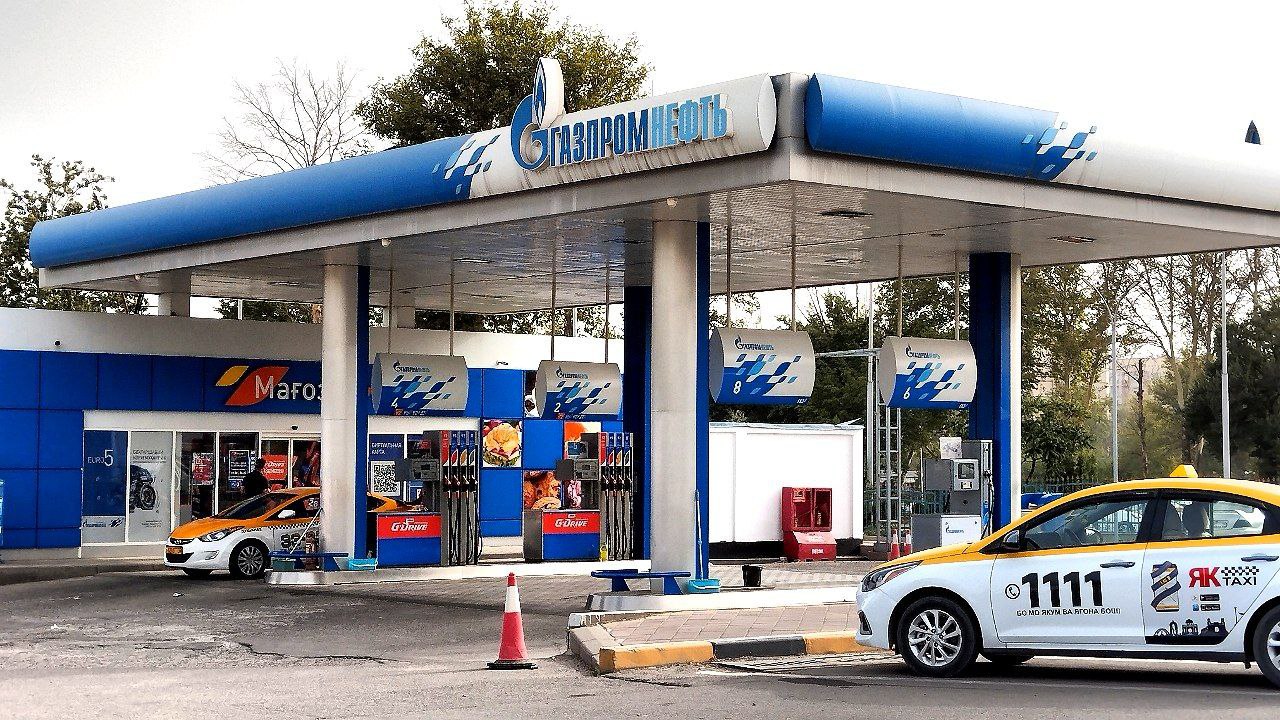
In a written response to Asia-Plus, the company has confirmed that “a temporary shortage of liquefied gas is being observed at some filling stations in Tajikistan.”
According to media reports, Kazakhstan's Minister of Energy on November 8 signed a decree "On certain issues of liquefied gas transportation," which prohibits the export of this fuel until May 2025. The ban was introduced due to a shortage of fuel in Kazakhstan itself. It is reported that demand for liquefied gas in the country has increased by 14% over the past year.
However, the export ban does not apply to Product Sharing Agreements (commercial contracts between investors and governments) or projects approved by heads of state. Kazakh media have not reported any rise in domestic prices for liquefied gas.
It is worth noting that the export ban on liquefied gas from Kazakhstan was in place from 2017 to 2020 and was extended every six months. However, companies continued to export LNG under bilateral agreements with the government.
Tajikistan’s Antimonopoly Agency says that over the first half of this year, more than 94% of liquefied gas has been imported into Tajikistan from Kazakhstan.
Over the past 10 days, the price of liquefied gas in Tajikistan has risen by almost 1.5 somonis. Previously, the price was 6.8 somonis per liter, and now it has reached 8.2 somonis.
It is important to recall that since 2018, liquefied gas has been included in the list of socially significant goods. This list includes 18 other items. This decision allows the Antimonopoly Agency to intervene if the price of liquefied gas increases by more than 20% within a month.