The Prosecutor General’s Office of Russia has filed a lawsuit with the Supreme Court of Russia to suspend the ban on the activities of the Taliban in Russia. The hearing is scheduled for mid-April.
What are the possible consequences of this?
Rustam Azizi, an expert in countering violent extremism, notes that this is not the first such request in Russia. There have already been appeals from the State Duma (Russia lower chamber of parliament) and the Ministry of Justice, and now the Prosecutor General’s Office has joined in.
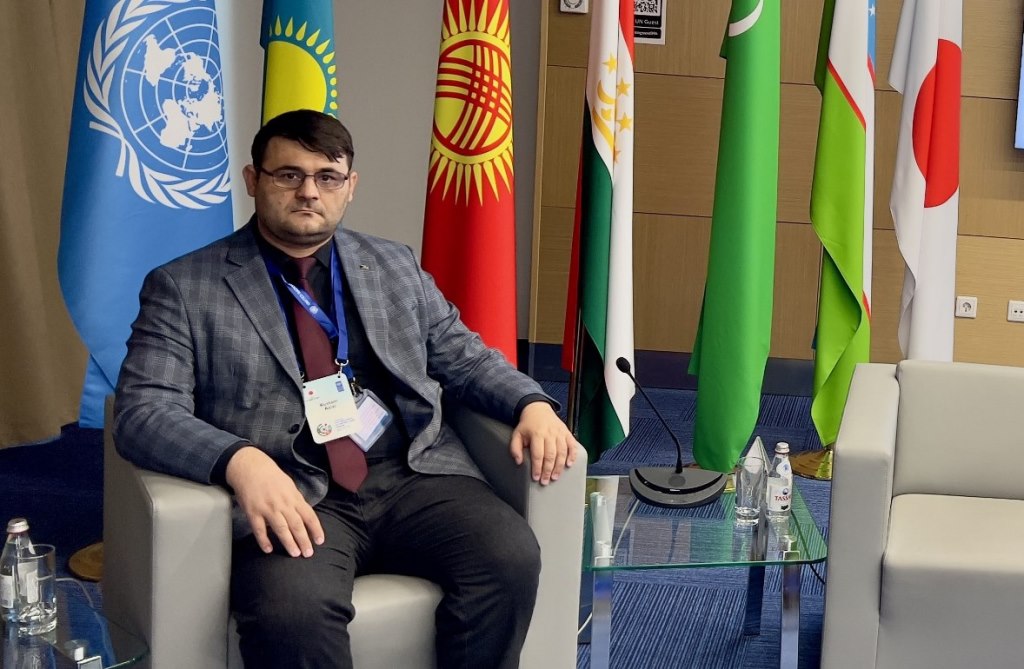
“First, from a reputational security perspective, recognizing the Taliban movement or removing it from the list of extremist terrorist organizations would immediately discredit the regional security architecture,” said Mr. Azizi. “This is because both the CSTO (Collective Security Treaty Organization) and the SCO (Shanghai Cooperation Organization) were primarily shaped by the so-called threat from Afghanistan, where the Taliban was the main concern.”
This is reportedly stated in official documents and strategies. Therefore, recognition of the Taliban might raise questions regarding these frameworks, the Tajik expert noted.
“Secondly, it could create a precedent and garner sympathy for the Taliban from certain risk groups. Why? Because the Taliban was able to “defeat and win over the infidels” through force and make them reckon with them — a very strong narrative for mobilizing radicals,” the expert said, noting that this could allow many radicals to mimic the Taliban and use their resources to promote radical ideas (since the Taliban's views aren’t fundamentally different from those of other groups).
Citing Taliban sources would no longer carry criminal or legal consequences.
From Tajikistan’s perspective, although there have been no calls or open ideas to recognize the Taliban, it can be noted that for the last two years, there has been no open criticism of the Taliban in official sources. There is currently a period of strategic silence. Therefore, one might assume that a scenario similar to Russia’s is being considered here — a scenario of recognizing the Taliban.
And finally, regarding real security threats, I don’t think this would lead to an increase in the threat of an armed Taliban attack. Why? Because the Taliban has no clearly expressed external agenda. They are highly focused on internal Afghan problems.
The most significant consequence in the short term might be the reevaluation of certain narratives — for example, the phrase: “Do you want it to be like under the Taliban?” It would be much harder to demonize them if they are removed from the list of extremists and terrorists.
Additionally, the important narrative of Russia as a protector from the Taliban threat, which has often been raised in the Tajik information space, would be devalued.
Parviz Mullojonov, a well-known Tajik political scientist, notes that there has long been a significant pro-Taliban lobby among Russian politicians and experts.
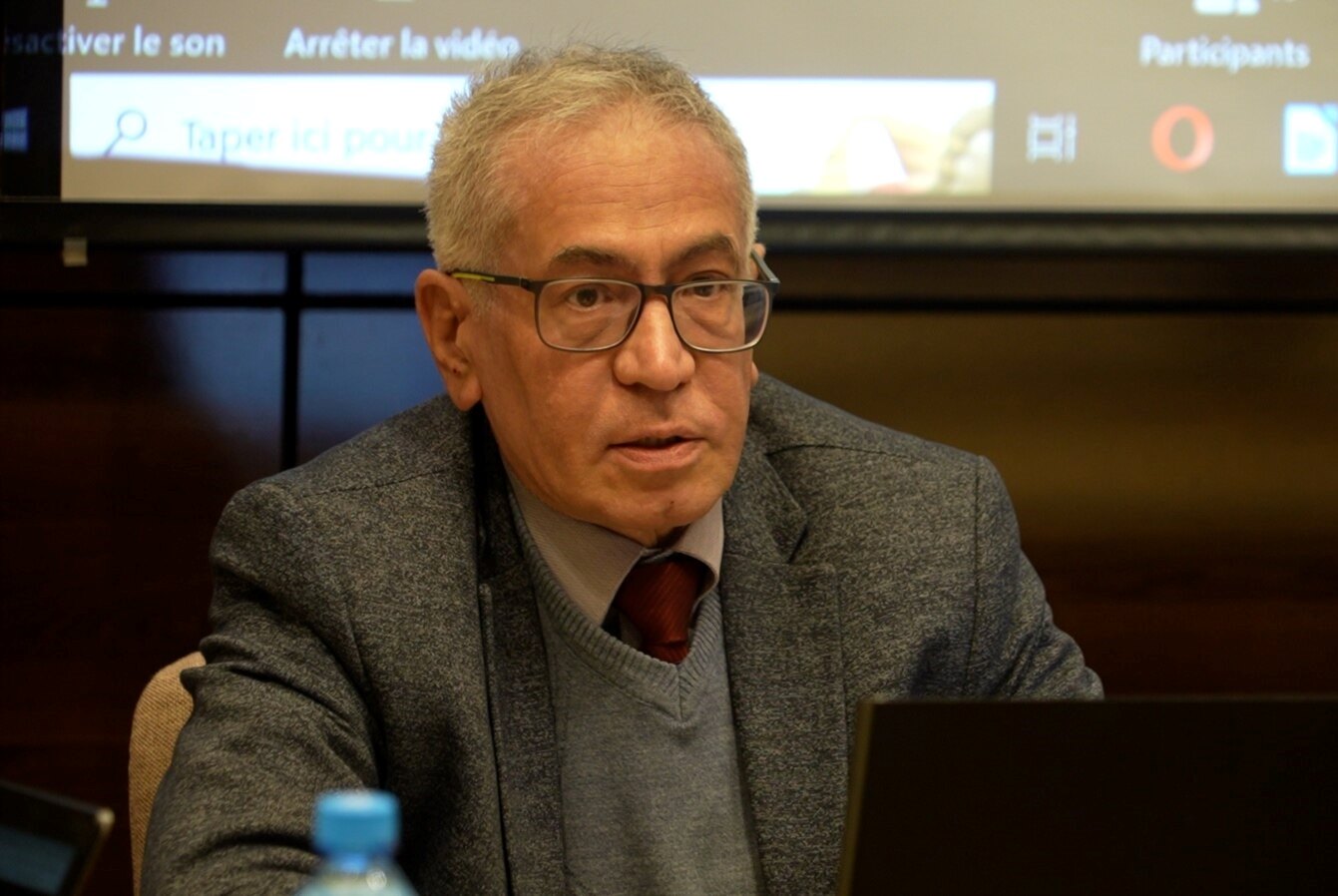
“In fact, since the mid-1990s, and after the second Taliban government came to power, working contacts between Moscow and Kabul became much more intensive. Therefore, lifting the ban on this organization in Russia would be simply an official confirmation of a situation that already exists de facto,” he says.
Qosim Bekmuhammad, a political analyst, believes that the Prosecutor General’s request signifies a major shift in Russia’s official position regarding Afghanistan.
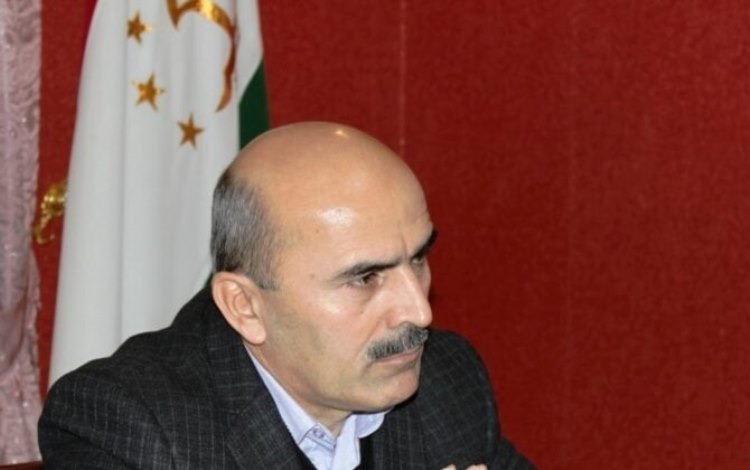
According to him, this step is driven by several factors, primarily concerns about the growing influence of Islamic State-Khorasan Province (IS-K) in Afghanistan, particularly in Afghan provinces bordering Central Asia’s nations. In this context, the Taliban movement is seen as the “lesser evil” with no other viable options.
“However, does this legitimization of the Taliban mean they will become a “loyal ally” of Russia in the fight against ISIS-Khorasan? I doubt the Taliban’s serious willingness to combat foreign terrorists in Afghanistan,” said Bekmuhammad. “There has long been a certain leniency from Russian officials towards the Taliban, justified by the fact that the Taliban controls real power in Afghanistan. While that’s true, should we be ready to recognize any extremist group that seizes power, as happened in Syria?”
“Therefore, such an approach may be seen as supportive of the legitimization of radical religious organizations, which could trigger increased sympathy for them in other regions, including the post-Soviet space. At the same time, the "national interests" of certain countries force them to overlook these problems in Afghanistan and compromise with the Taliban, thereby giving the group more confidence that recognition will come sooner or later,” the expert said.
“Of course, Central Asian countries will closely watch Russia’s position and the response of Western countries, who may interpret Russia’s initiative as an attempt to undermine the Taliban’s international isolation. However, the similar positions of countries like China and Iran, who are building a so-called pragmatic dialogue with the Taliban, will give Moscow more confidence in the correctness of its decision and in the formation of a coalition of regional powers outside the Western agenda,” Qosim Bekmuhammad concludes.