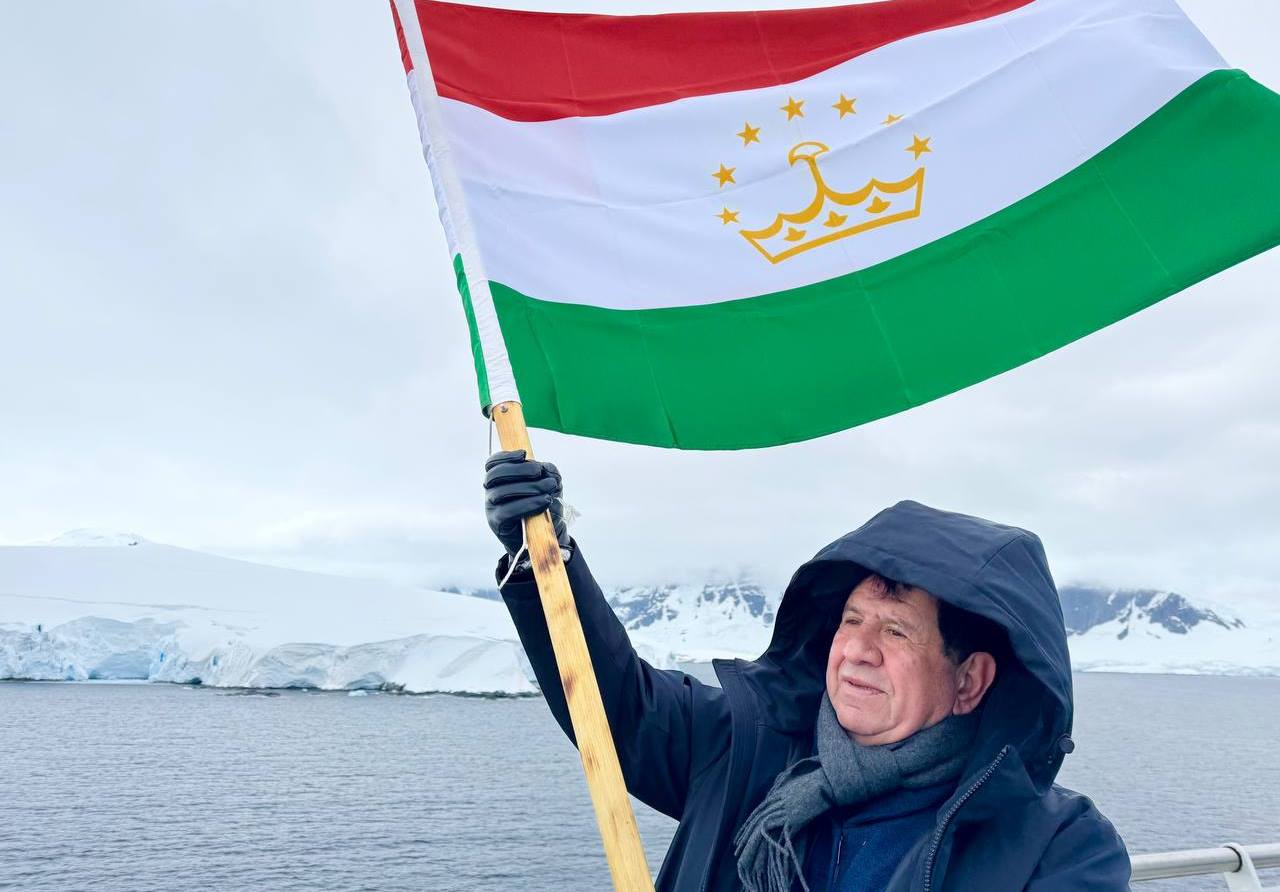
In a symbolic move to raise awareness about climate change and glacier preservation, Tajik traveler Sharifbek Davlatov has raised the national flag of Tajikistan at the highest point of Antarctica.
The journey was part of the International Year of Glacier Preservation, during which Davlatov also raised the flags of Central Asian countries—Uzbekistan, Kyrgyzstan, Kazakhstan, and Turkmenistan—emphasizing regional unity in confronting environmental challenges.
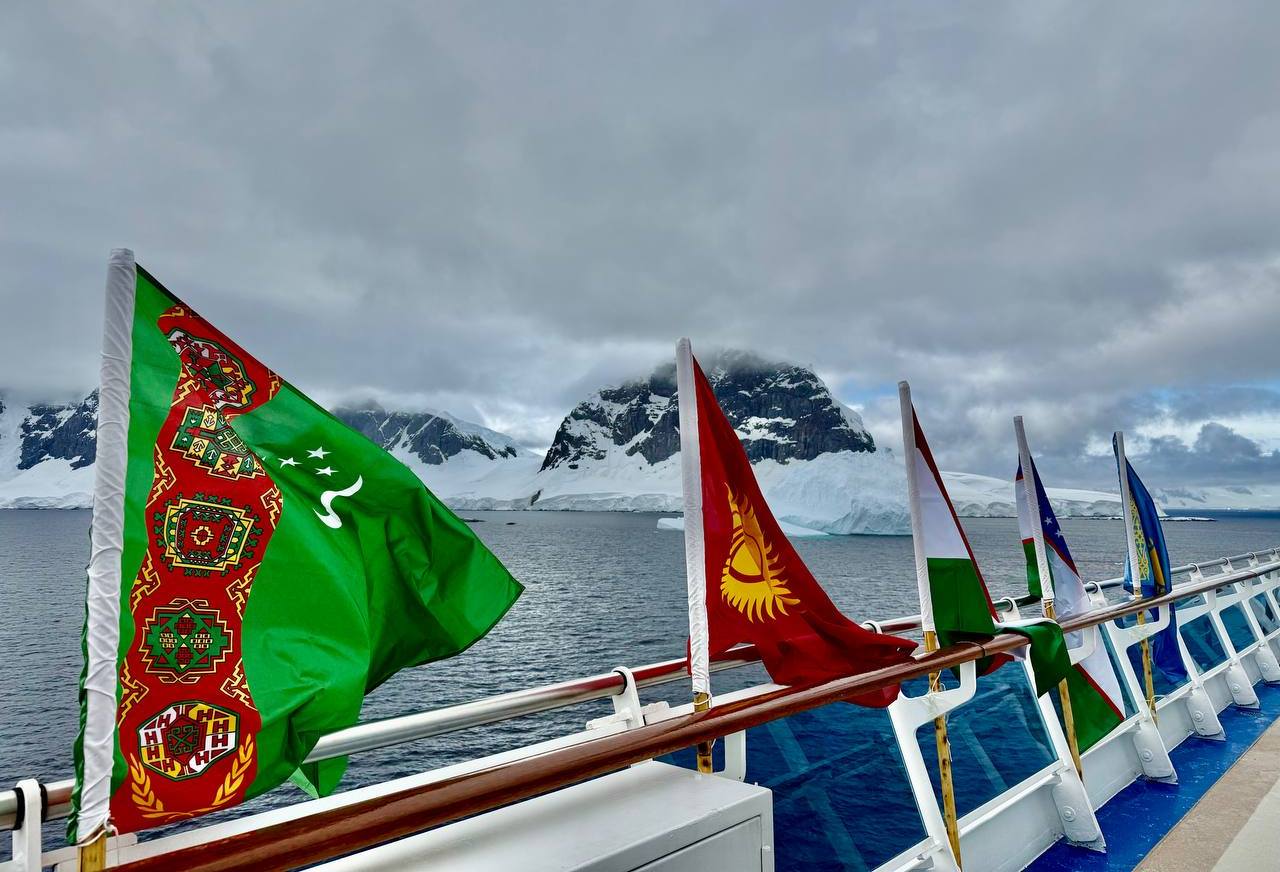
“Getting to the coldest continent wasn’t easy,” said Davlatov. “I had to cross several Latin American countries before setting sail to Antarctica, where I spent four days traveling by ship through the ocean.”
Upon reaching Antarctica, Davlatov witnessed the impacts of climate change firsthand and decided to use the opportunity to draw global attention to the rapid melting of glaciers.
“This is a significant step,” he said. “Over the years, our flag has flown in many corners of the world—even in space, where it remained for nearly seven months. It is a symbol of national pride, unity, and dignity.”
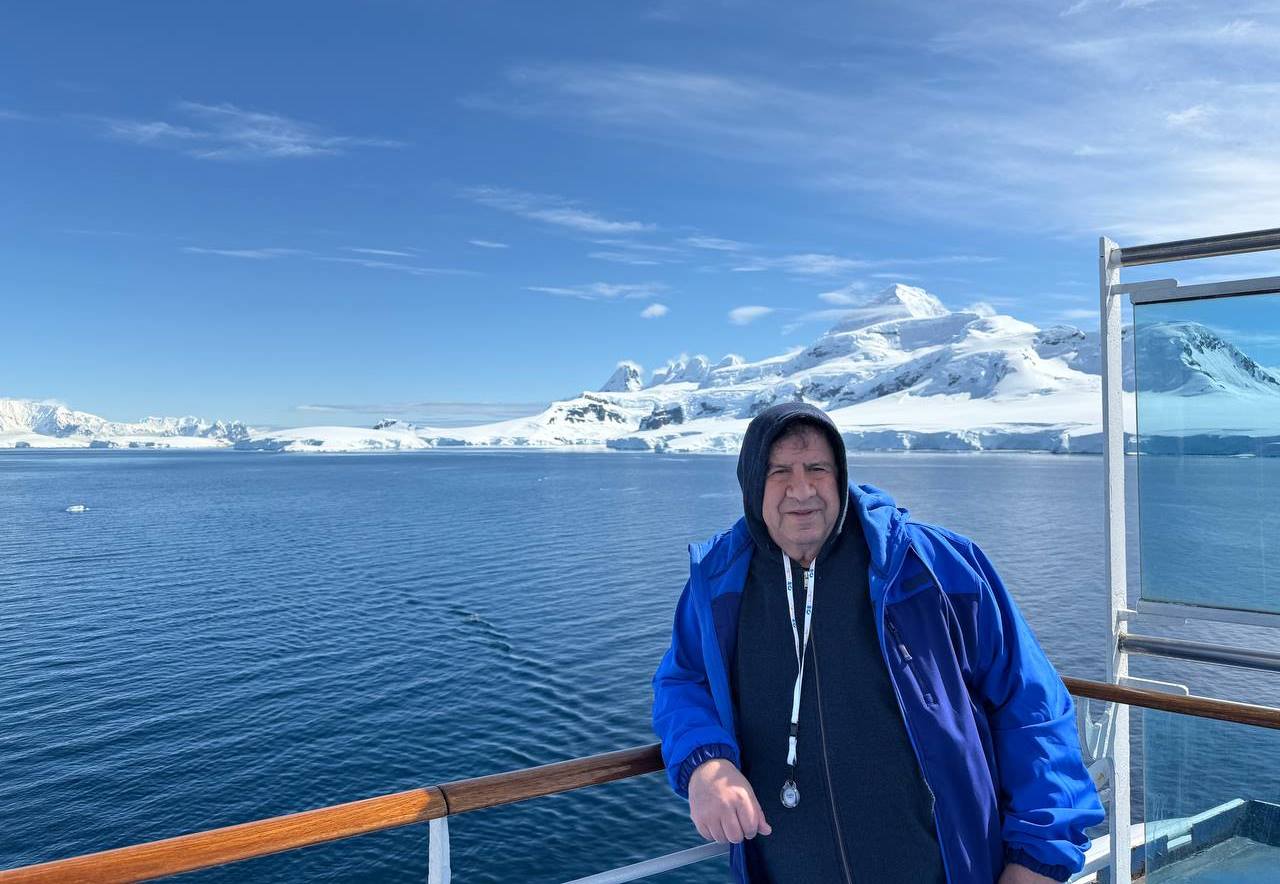
Davlatov has visited 106 countries so far, raising the Tajik flag in each. He collects souvenirs from every trip, which are kept in two large cabinets at his home. Through his travels, he seeks to promote Tajik history and culture, as well as to build dialogue with people around the world to attract more tourists to Tajikistan.
“Wherever I go, I carry the flag of Tajikistan, photos of our country’s breathtaking nature, and images of the Leader of the Nation,” he said. “I proudly show them to foreigners and tell them about my homeland.”
Tajikistan is home to about 14,000 glaciers, which serve as the region’s main source of drinking water. According to official data, over 1,000 of them have already completely melted. Scientists warn that if greenhouse gas emissions remain at current levels, Antarctica’s ice cover—currently around 12 million square kilometers—could shrink by 25% by 2100. The ice sheet has been steadily decreasing since 2016.




