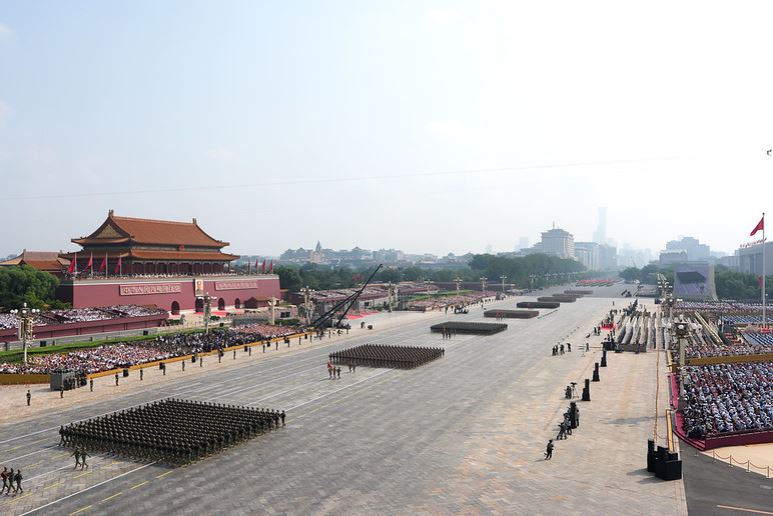
On September 3, a large-scale military parade was held in Beijing's Tiananmen Square to mark the 80th anniversary of Japan's surrender, the end of World War II and the victory of the Chinese people in the war against Japanese militarism.
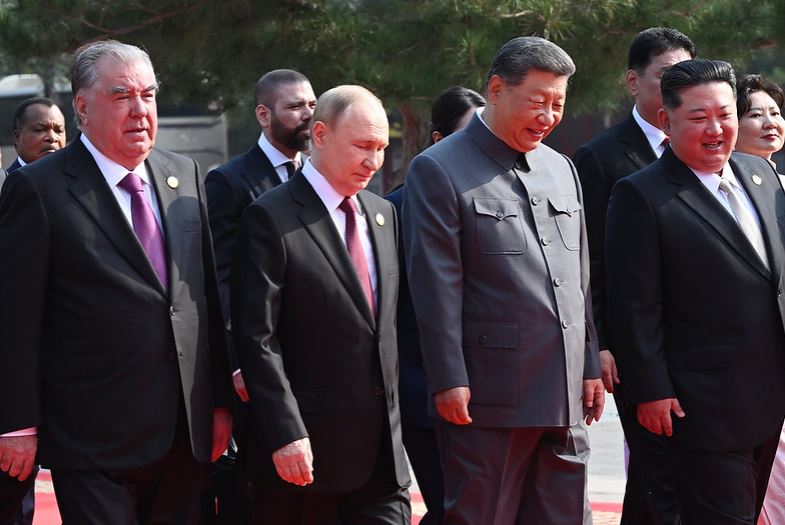
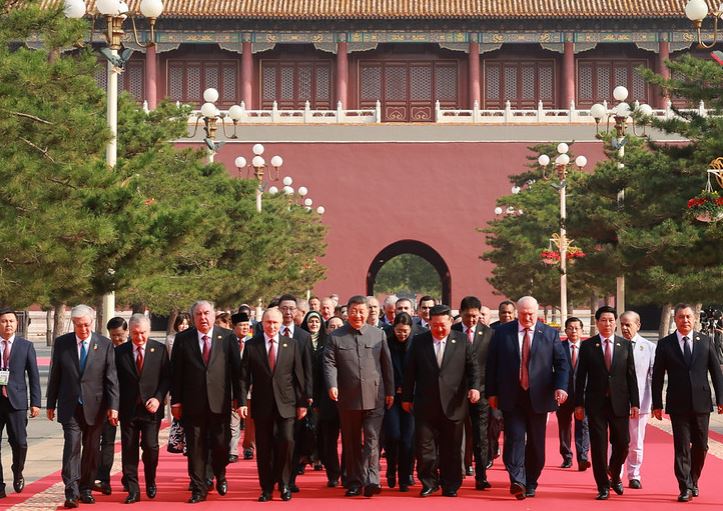
The solemn event was attended by heads of state and Government from 26 countries.
Among them are President of the Republic of Tajikistan Emomali Rahmon, President of the People's Republic of China Xi Jinping, President of Russia Vladimir Putin and leader of the DPRK Kim Jong Un, the press service of the head of state writes.
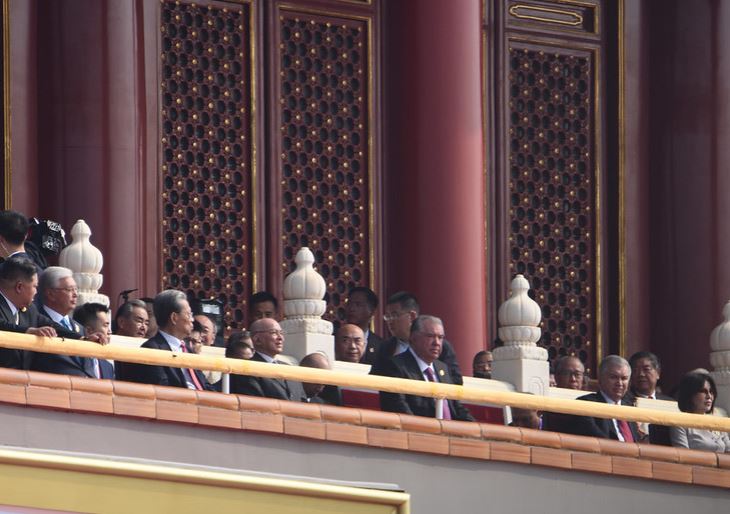
Before the start of the parade, Xi Jinping personally greeted the guests on the red carpet, after which a memorable photo session took place, and the leaders took pride of place on the podium. Heroes and war veterans were placed next to them.
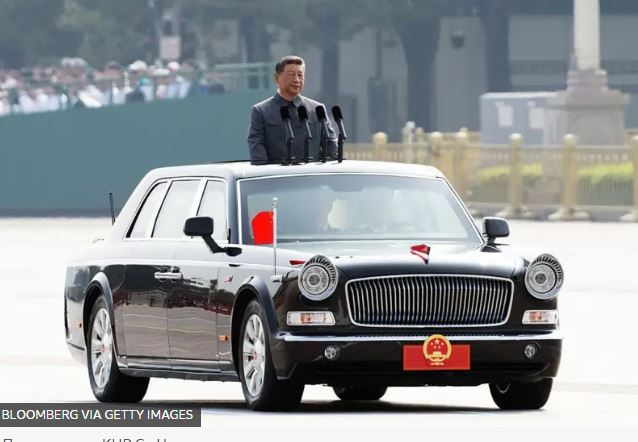
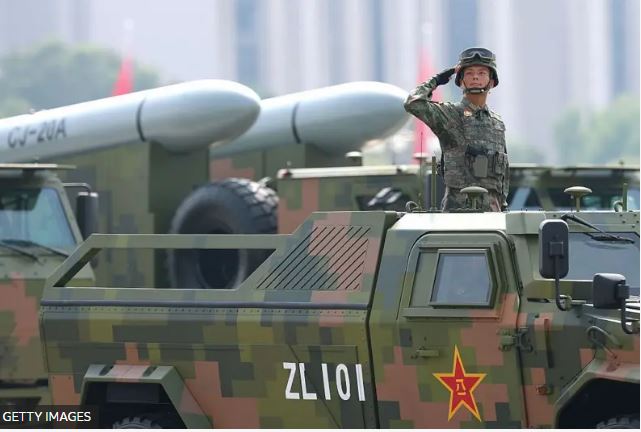
The military parade, prepared on a large scale, included the passage of units of the land, naval and air forces of China, as well as a demonstration of a large number of modern military equipment of various branches of the armed forces, the report says.
The largest in China's history
The parade, dedicated to the 80th anniversary of the end of World War II, has become the largest in China's history, the BBC notes.
In the run-up to the celebrations, Beijing has significantly increased security measures – not only along the route of the march. Scanner frames similar to airport scanners have been installed at the entrances to a number of office buildings.
Drone flights over the city have been completely banned. Security guards, some of whom are dressed in military uniforms, are on duty around the clock on bridges and overpasses.
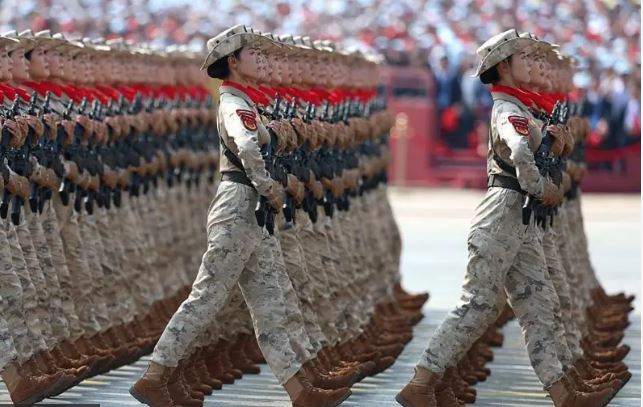
Preparations for the first parade in six years took several months. More than 200,000 flags have been erected in Beijing, flower arrangements have been decorated at intersections and roadsides of key roads, and the city's business district has been transformed by new lighting.
The march took place from Tiananmen Square along the main avenue of Changanjie. To maintain secrecy, residents of the street were forbidden to go out onto their balconies during the rehearsals.
All schools, offices, hotels and shops along the route were closed for two days. Even renting city bikes turned out to be practically unaffordable.




