The Beijing SCO summit has become not just a regional event, but a vivid symbol of a global paradigm shift. Against the background of the weakening global leadership of the United States, China is increasingly offering an alternative architecture of international relations based on the principles of sovereign equality, dialogue and equitable development.
The article by Tajik international political scientist Abdugani Mamadazimov examines the transition from a unipolar to a multipolar world, China's role in this process and the challenges facing the international community.
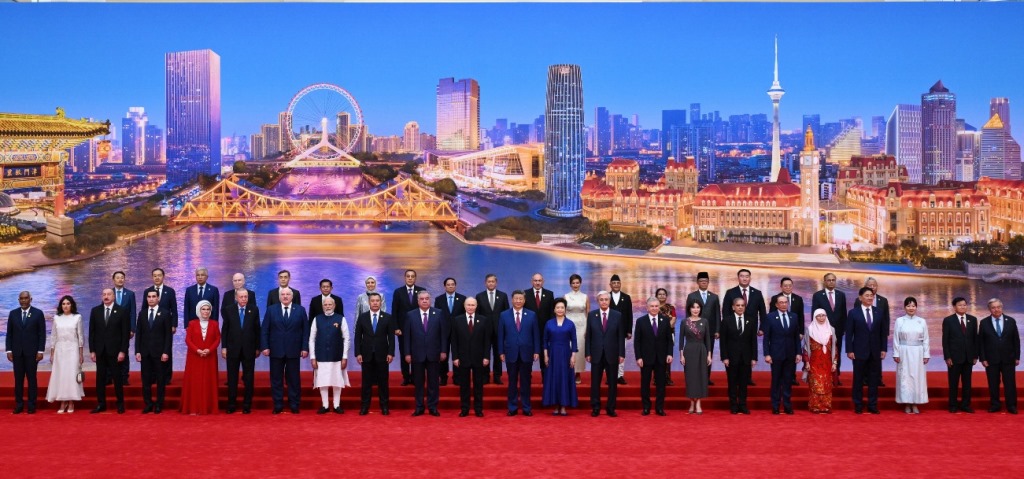
China hosted a number of events, including the SCO Council of Heads of State summit, an expanded "SCO Plus" meeting, and a grand military parade dedicated to the 80th anniversary of the end of World War II and the 80th anniversary of the founding of the United Nations.
However, in terms of the number of participating countries, especially the leading modern states (China, India, Russia, etc.), the significance of these events goes far beyond the regional or intercontinental level, becoming global.
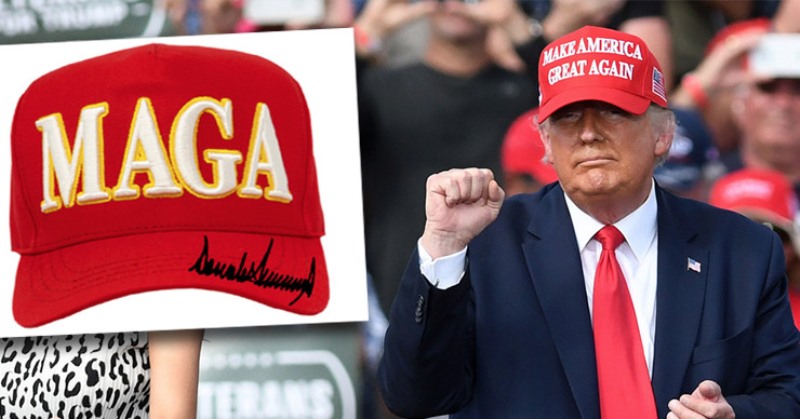
The fact is that after the Donald Trump administration came to power with the slogan "Make America great again", it imposed new tariffs on the rest of the world, starting, in fact, trade wars not only with economic competitors, but also with close strategic partners and allies (the EU, Great Britain, Japan, South Korea, etc.).
At the same time, the United States began to lose its position as the global locomotive of globalization, shifting to an outdated policy of national protectionism.
Even the United States' closest neighbors, Canada and Mexico, have gradually begun to distance themselves from close cooperation with them.
At the same time, the United States' traditional allies, the EU and the United Kingdom, cannot reach a consensus not only on the Russian-Ukrainian conflict, but also on other pressing issues of our time: climate change, the Middle East crisis, the fight against poverty, etc.
Towards multipolar development
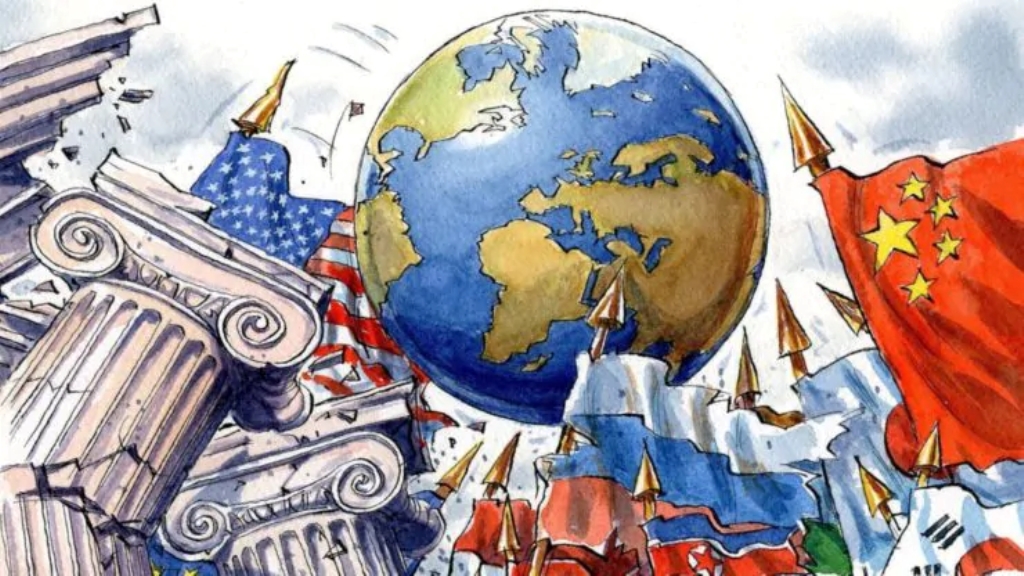
In our opinion, the announcement in Beijing of a new initiative, the Global Governance Initiative, should be considered as the official start of the world's transition to multipolar development. This is especially significant against the background of the fact that the leading superpower (the United States) voluntarily abandoned globalization, introducing protectionism and imposing its own vision of trade rules, thereby undermining the foundations of international trade.
It is symbolic that many countries, both global and regional powers, have long been calling for reform or a reboot of the UN universal organization.
China advocates adapting the international system to new realities, offering to make it more equitable, efficient and focused on the interests of all States, including the countries of the Global South.
The role and importance of regional, middle and developing States are steadily increasing as they strive to take their rightful place in the global system.
It is encouraging to note that the President of Tajikistan, one of the founding countries of the SCO, was one of the first, along with the leaders of Azerbaijan, Belarus, Malaysia and Russia, to support the global initiative of the Chinese leader.
Although the states represented at the SCO summit (both members of the organization and candidates and dialogue partners) are not bound by formal defense agreements or deep economic alliances (such as in NATO or the EU), they are united primarily by respect for sovereign development.
Therefore, the key five principles of the Global Governance Initiative are:
– Respect for the sovereign equality of all countries, regardless of their size and level of development;
– Mandatory adherence to international law and the UN Charter;
– Genuine multilateralism based on dialogue and cooperation;
– Human-centricity, when the focus is on the well-being of nations;
– Efficiency is the ability of international institutions to respond quickly to global challenges.
China's Holistic Approach
China has lifted more than 700 million people out of extreme poverty in recent years.
It is obvious that the veto power of the permanent members of the UN Security Council is increasingly becoming a vestige of international relations, hampering the effectiveness of this universal organization.
The new Chinese initiative fits seamlessly into previous strategic proposals.:
– The Global Development Initiative,
– The Global Security Initiative,
– The initiative of Global Civilization.
Together, they form a holistic approach to building a sustainable and equitable international order.
Now we are looking forward to the start of the annual UN General Assembly, where this Chinese Initiative on Global Governance will be reviewed and tested for the first time.
If more and more countries in Asia, Africa, Latin America and Europe support it, we will witness tectonic changes in the system of international relations, where the voice of developing countries will sound more confident.
Will Beijing replace Potsdam's legacy?
It is worth noting that the small country of Tajikistan, already known for its global initiatives, will consistently advocate for sustainable development – national, regional and global.
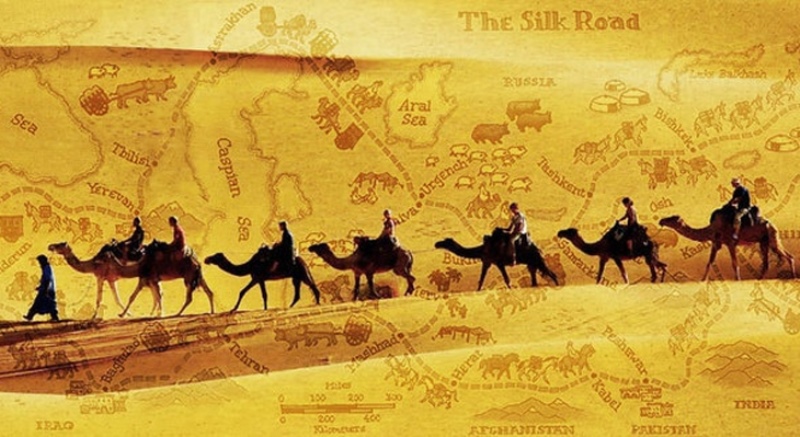
It is also important to mention the long-term efforts of the Chinese leadership to revive the ideas and values of the Great Silk Road, with its equally great slogan: "Horses in the north, ships in the south." It symbolized the global balance between land and sea trade, which has shifted towards maritime trade in recent centuries.
Restoring this balance is the central idea of Chinese politics, and it is close to many states.
The ancient harmony between peoples, provided by "silk diplomacy" and later supplanted by the colonial one, which is now in decline, can be revived along with the restoration of a just, peaceful and sought-after international order.



