Starting from September 1, 2025, pensions in Tajikistan increased by 10%. But this growth only partially compensates for the rise in prices of goods and services. For most retirees, the increase remains symbolic and does not solve the problem of low incomes.
Necessities are constantly becoming more expensive in Tajikistan. This is especially noticeable in the case of bread, flour, and vegetables.
According to the Statistics Agency, in the first half of 2025 alone, bread prices increased by 4.7%, and flour prices increased by almost 5%. The situation is no better with vegetables. Carrots have tripled in price over the year, garlic has almost doubled. Potatoes and cabbage have also increased significantly in price.
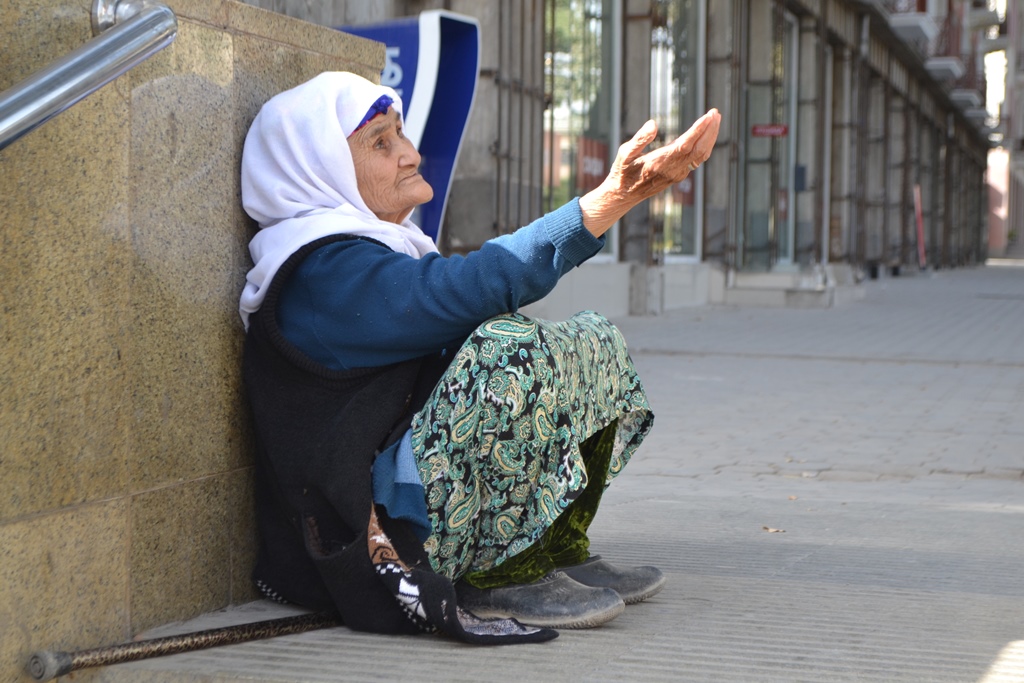
For older people who try to save on everything, such jumps become a serious challenge. Many refuse to eat the most essential foods, and most Tajik pensioners would not be able to survive without the help of relatives.
The average pension in Tajikistan today remains one of the lowest in the post-Soviet space. At the beginning of August 2025, it amounted to 470.62 somoni, that is, about $50 at the current exchange rate. It has increased by $5 since September 1.
There are three types of pensions in the country: labor, insurance and social. Their average size varies from 366 to 644 somoni, or from $39 to $68.
Comparison with neighbors
If we compare the situation with other CIS countries, the gap looks huge.
In Kazakhstan, the average pension exceeds $300, in Russia – almost $290, in Belarus – $256. Even in Kyrgyzstan and Uzbekistan, pensioners receive more than $120 per month.
For comparison, a Tajik pensioner, having spent his entire pension on buying beef, will be able to afford only 4-5 kg per month, while Belarusian pensioners will be able to afford about 32 kg.
At the same time, the number of pensioners in Tajikistan is relatively small. As of July 1, 2025, just over 858,000 pensioners were registered in the country, which is only 8% of the population.
For comparison, in Russia the proportion of the elderly reaches 28%, in Kazakhstan, Belarus and Estonia – about 25%, in Georgia – more than 16%.
The low proportion of pensioners in Tajikistan is explained by the high natural population growth – above 2% per year, which is the highest rate among the countries of the former USSR.
The failed reform
Economists emphasize that such a demographic situation – when there are almost four working people per pensioner – could become a favorable basis for a sustainable pension system. But in fact, low salaries and limited budget resources do not allow for decent payments.
The average salary in Tajikistan is about $283, and pension contributions depend on these incomes.
Back in 2005, the authorities adopted the law "On non-State pension funds", which was supposed to launch private savings schemes. But for almost 20 years, not a single such fund has appeared.
The reasons are clear: low salaries do not leave people with extra money to save, trust in private organizations has been undermined by the collapse of large banks, and financial literacy remains low.
Add inflationary risks to this, and it becomes clear why citizens are not ready to invest in long-term projects.
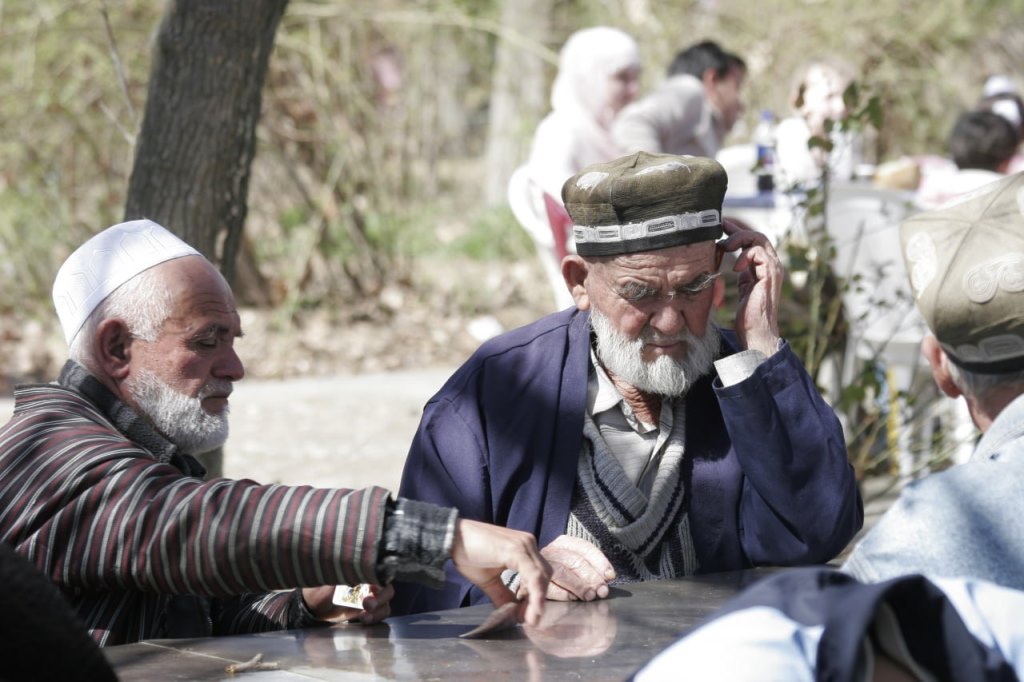
Today, pensions in Tajikistan remain a symbolic payment rather than a real source of income. Economists believe that it is possible to change the situation only through the development of a private pension system and the creation of incentives for savings. Without this, the elderly will continue to depend on the help of their children, and state support will remain at the level of benefits, unable to provide even a semblance of a decent old age.
According to the report of the Agency for Statistics "Tajikistan: indicators of poverty and household income – 2024", pensions account for 13.9% of gross household income.
According to data on income composition by type of settlement, the share of pensions in urban households is higher than in rural ones.
In rural areas, most of the income is provided by personal housekeeping and self-employment, while in urban areas pensions and wages are the main sources.




