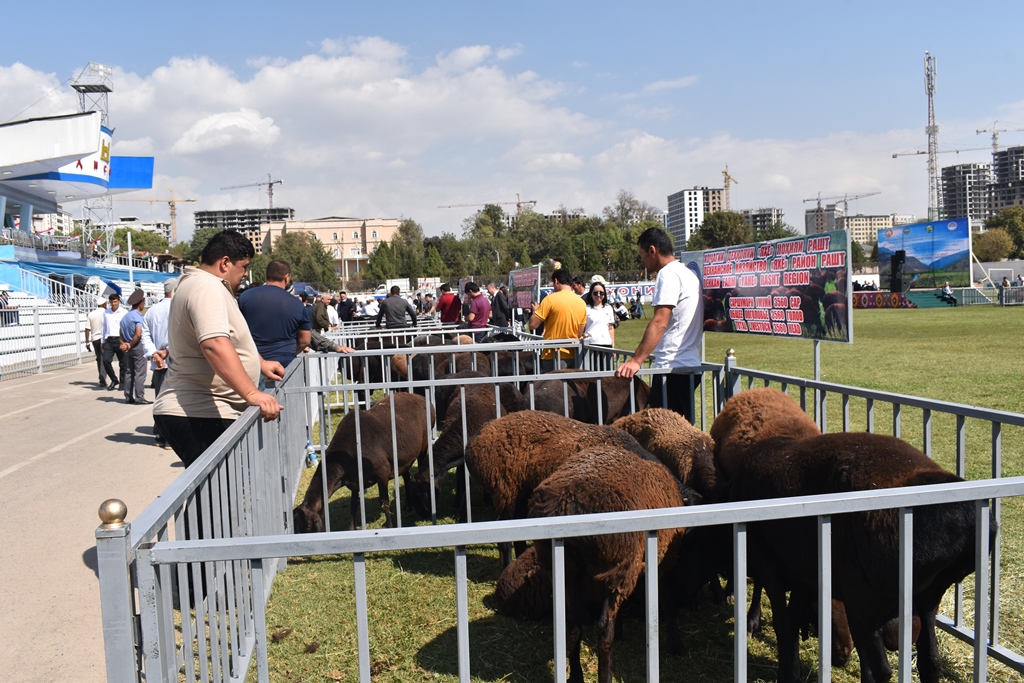
A 189.5-kilogram ram from the Sim-Sim farm in Vahdat took the top prize at the annual Hisor Sheep Festival, which celebrated the best of Tajikistan’s renowned Hisor sheep breed. The event, held in Hisor on September 19, brought together farmers, researchers, and officials from across the region to showcase the country’s achievements in livestock breeding.
The festival began with a visit to the monument to the Hisor sheep, a symbol of the region, followed by a display of folk crafts and agricultural innovations. Stalls offering fresh fruits, dried fruits, sweets, drinks, and national dishes were set up around the central square, complemented by a concert.
Farmers from across the country brought their best rams, ewes, and lambs to the event. These animals were judged based on several criteria, including live weight, build, age, breed qualities, and productivity.
The ultimate prize: heaviest ram takes grand prix
The festival’s highlight was the contest for “Best Ram by Absolute Weight,” where the 189.5 kg ram from Sim-Sim claimed the Grand Prix along with a cash prize of 20,000 somonis.
In other categories, “Best Breeding Ram” went to the Davlat farm from Vahdat, which presented a 159 kg ram, while the “Best Breeding Ewe” award went to the Yakhyo farm from the Rasht district with a 105 kg ewe. The “Best Lamb” prize went to a 123 kg ram from the Mirzokarim farm in Hisor. All winners received diplomas and cash prizes ranging from 3,000 to 10,000 somonis.
A global stage for Tajik livestock
The festival continued the scientific discussions initiated by the Symposium held on September 18 at the National Library of Tajikistan, where researchers and experts from Tajikistan, Uzbekistan, Kazakhstan, Kyrgyzstan, Russia, Belarus, Ukraine, Moldova, Iran, and Canada gathered to discuss advances in animal breeding.
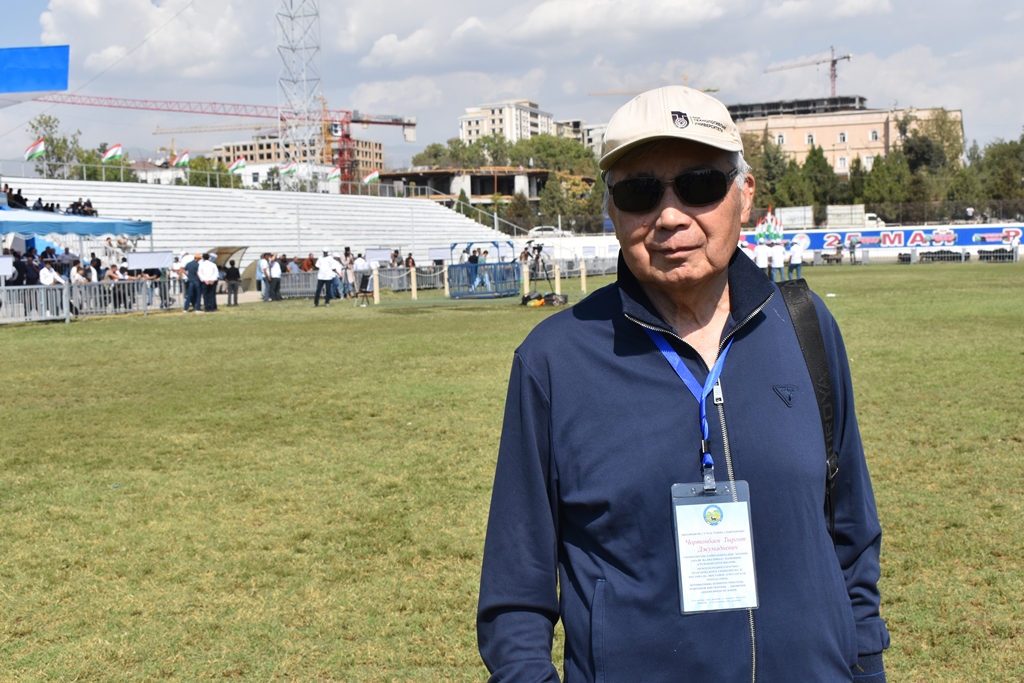
Tyrgoot Chortonbayev, a professor at the Kyrgyz National Agrarian University, praised the significance of the festival for international knowledge exchange, saying: “We saw firsthand the unique qualities of the Hisor sheep, which were developed through centuries of local breeding in Tajikistan. This breed holds great potential, and we see it as a valuable asset for further research and improvement.”
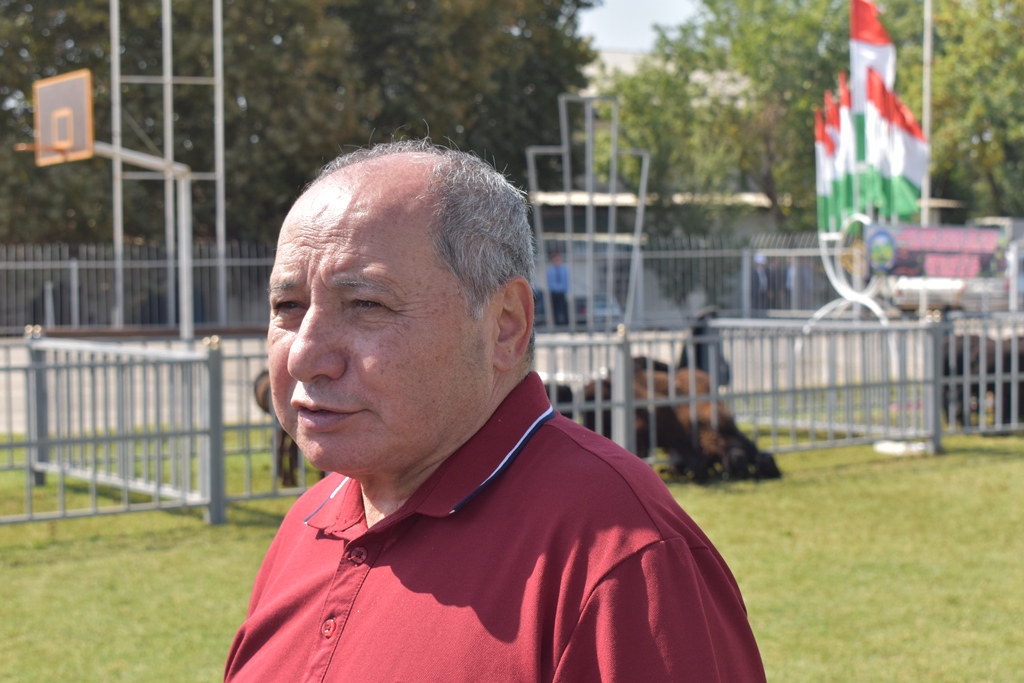
Yusupjan Yuldashbayev, a prominent Russian academic in animal husbandry, emphasized the global importance of the Hisor breed: “The Hisor breed is the largest sheep breed in the world, and it continues to improve thanks to the efforts of scientists and farmers in Tajikistan. Today, there are more than three million Hisor sheep in the country, and its meat and milk have a high market potential, offering Tajikistan a significant opportunity in international livestock markets.”
Tradition and innovation in Hisor sheep farming
Kursandmurod Tursunzoda, head of the Almosi farm in Hisor, shared his family’s long tradition in sheep farming. “We’ve been breeding Hissar sheep since 2000 and currently have 780 heads. We have pastureland in the Romit Gorge and the Shahritous district, where we graze our flocks. This is not just a business for us, but a way to preserve the traditions passed down through generations,” Tursunzoda explained.
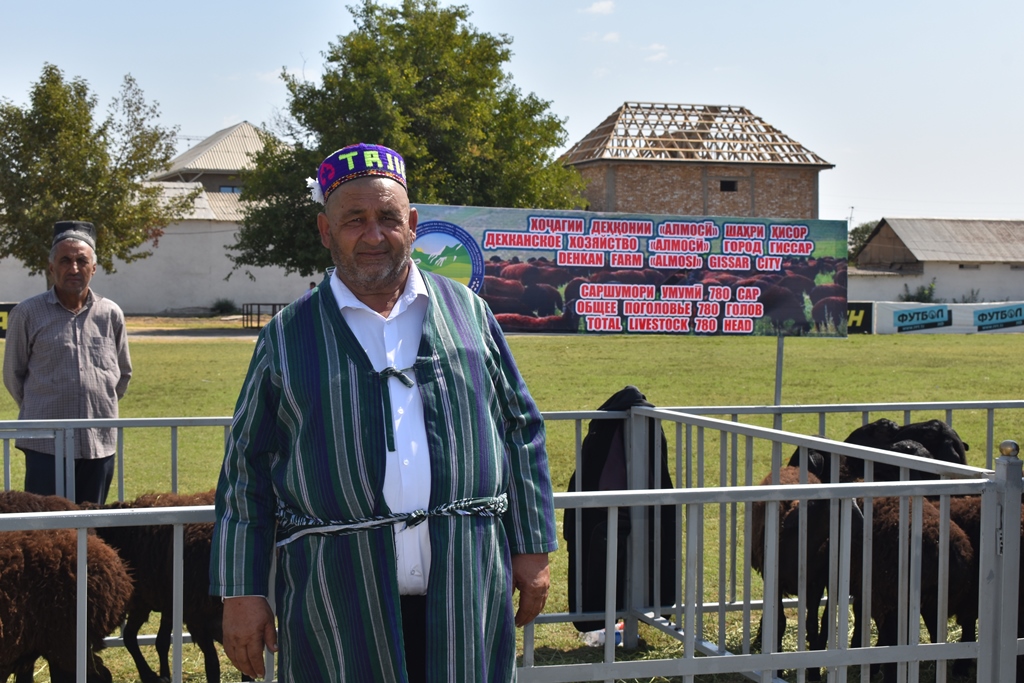
He added that the farm plans to expand its flock to over 1,000 sheep in the next two years. “For us, this is about sustaining family traditions and contributing to the future of Tajik agriculture.”
Recognition on the global stage
In a proud moment for Tajikistan, the Hisor sheep breed, along with the Almosi Gorge and pink grapes, was added to the Global Agricultural Heritage Systems (GIAHS) list in July 2025. This international recognition strengthens Tajikistan’s status as a country with a unique agricultural heritage.




