Tajik lawmaker Dilnoza Ahmadzoda has proposed a controversial ban on social media use for children under 14, suggesting strict parental controls for teens aged 14 to 17. The proposal has sparked debate among experts, parents, and educators, many of whom argue that education and supervision are more effective than outright bans.
While acknowledging that recent amendments have been made to Tajikistan’s Law on Child Protection—specifically targeting false and harmful content—Ahmadzoda believes more stringent legal measures are needed.
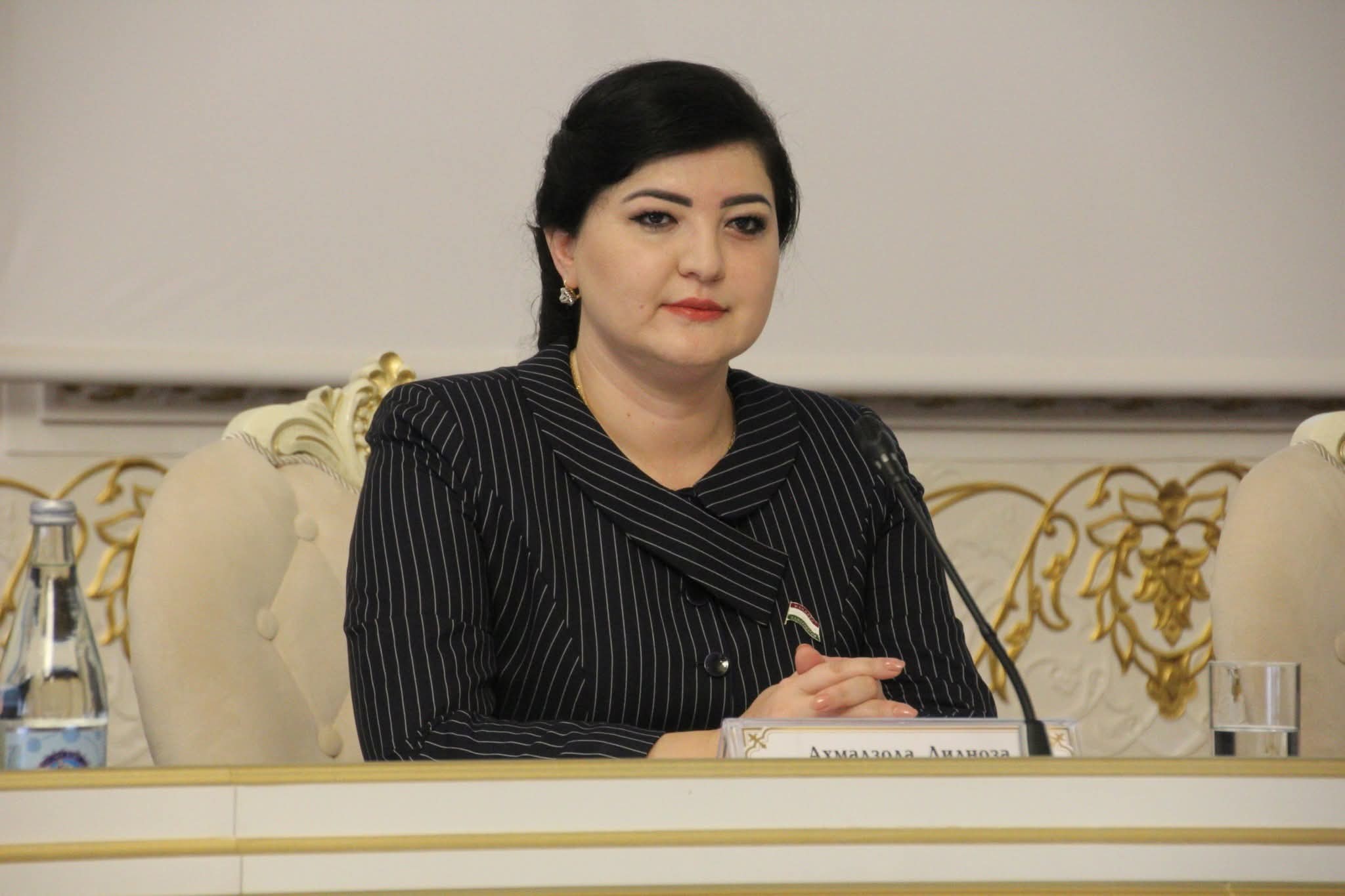
She is calling for a complete ban on social media access for children under 14, and for teens aged 14–17 to use social media only with written parental consent.
“Bans aren’t the solution” – experts respond
Experts in digital literacy and psychology argue that restricting access may do more harm than good.
Rustam Gulov, a media literacy specialist, says social platforms already have age restrictions, but children often bypass them using fake details or their parents' devices. “Banning access only increases curiosity and encourages secrecy,” Gulov says. “Teenagers are already using messaging apps and exploring content that interests them. A total ban would only delay their digital development. Regulation and guidance are far more effective.”
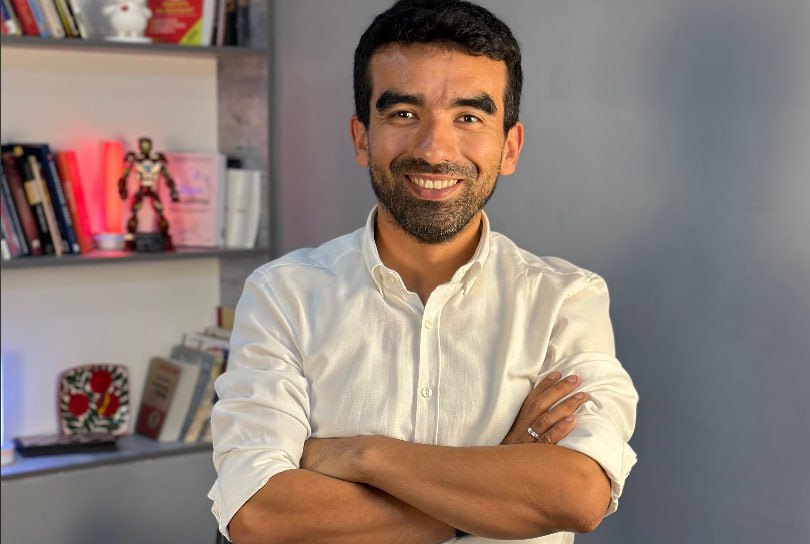
Gulov points out that platforms like Meta are open to collaboration with governments and can help filter inappropriate content. He also advocates introducing media literacy education in schools, helping children recognize misinformation and learn responsible online behavior from an early age. Another key issue, Gulov adds, is the shortage of engaging content in the Tajik language, which pushes many young users toward Russian-language content. “Social media can be a powerful educational tool if there’s more high-quality content available in Tajik,” he notes.
Dushanbe residents divided
The proposal has also drawn mixed reactions from the public. Some residents in Dushanbe support limiting children’s access to social media, while others argue that these platforms offer educational value and can’t realistically be banned.
“It starts with parents” – psychologist’s view
Tajik psychologist Nigina Mamadjonova agrees that a full ban is impractical but supports age-appropriate restrictions and more parental responsibility. “Too many parents hand over phones just to keep children quiet, without knowing what kind of content their kids are consuming,” Mamadjonova warns.
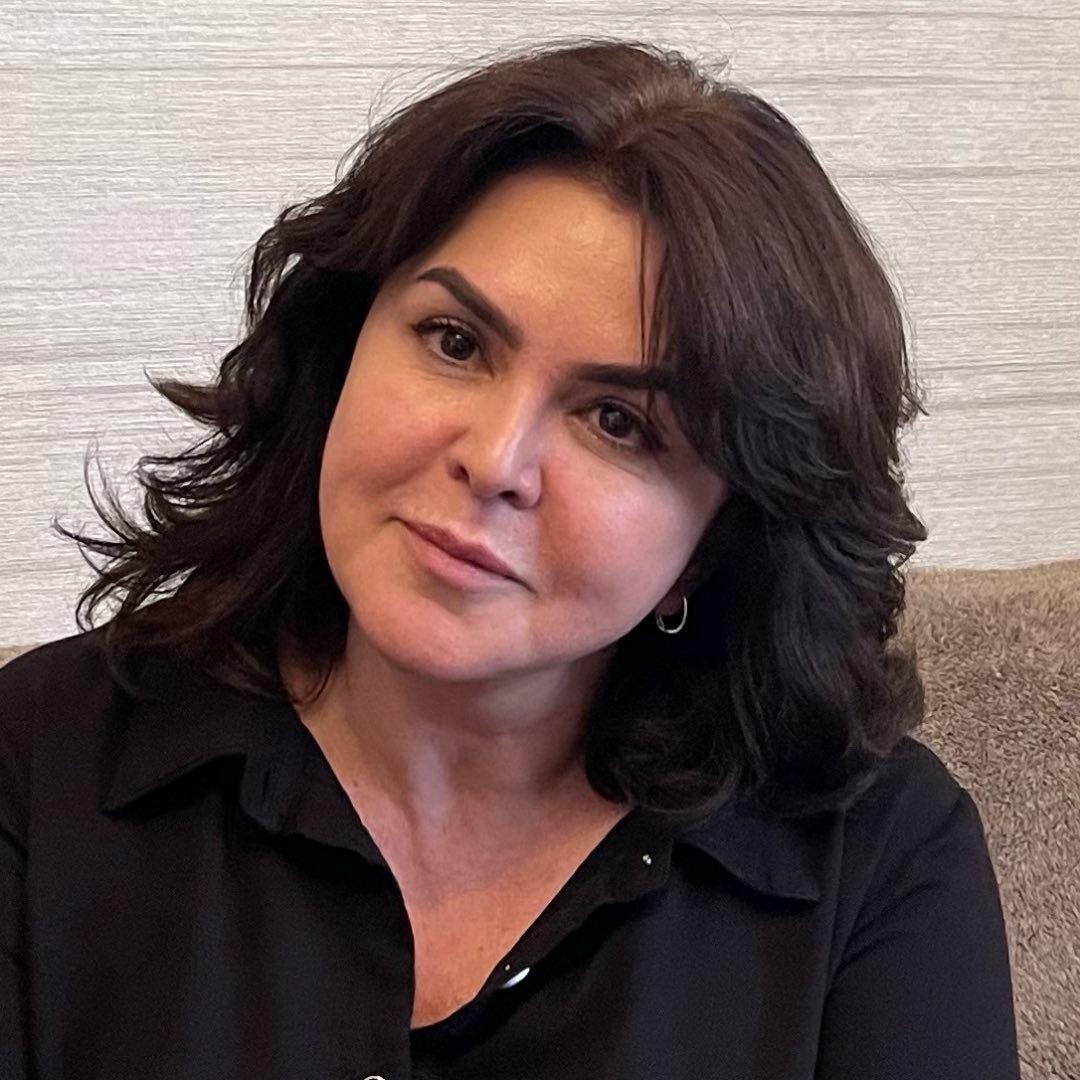
She says this lack of supervision can expose children to cyberbullying, online predators, and unrealistic social comparisons that impact mental health. She recommends keeping young children away from phones entirely, arguing that early exposure can lead to negative psychological effects.
Lessons from abroad: successes and failures
Tajikistan is not alone in wrestling with how to manage minors’ social media use. In Australia, platforms like Instagram, Facebook, YouTube, Snapchat, and TikTok are restricted for users under 16, with violators facing fines of up to $49.5 million.
However, not all bans have gone smoothly. In Nepal, a government effort to block social media led to widespread youth protests. Clashes with police resulted in 19 deaths and over 100 injuries, ultimately leading to the collapse of the government that introduced the measure.




