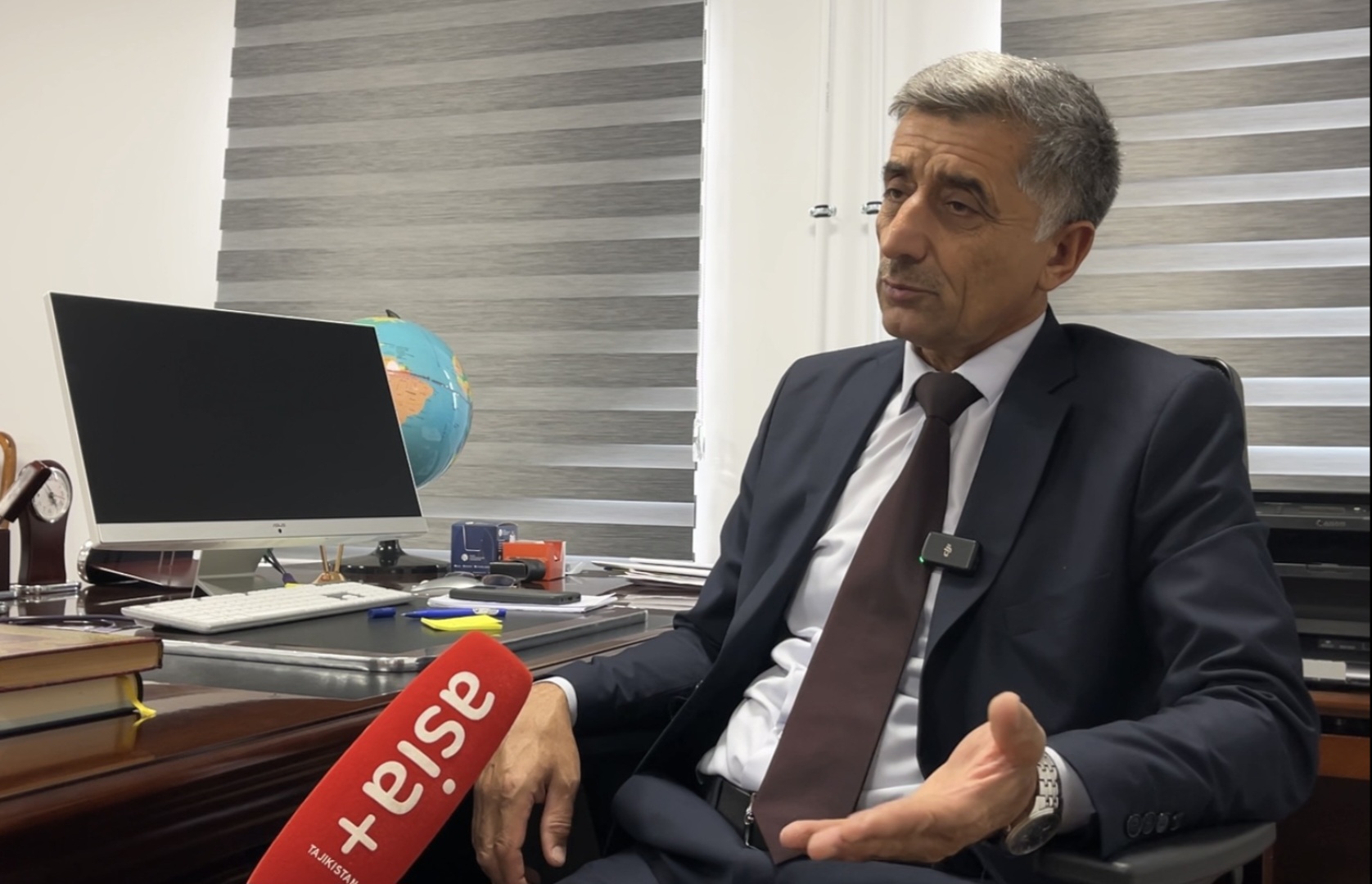
The Islamic Institute of Tajikistan, named after Imam Azam Abu Hanifa, is the country’s only religious educational institution. Currently, 830 students are enrolled in both full-time and distance learning programs. But how can one enroll, what subjects do students learn, and is there an opportunity for women to study here? Asia-Plus spoke with the rector and other officials of the institute to find out more.
A modern campus with rich architectural heritage
The new building of the Islamic Institute opened on August 21 and was constructed in an Eastern style, with decorative stones imported from Iran. The interior, designed by young architects and artists from Khujand, features Quranic calligraphy, oriental motifs, and national decorations. The campus includes seven buildings, some with six and eight floors, housing classrooms, a library, lecture halls, teacher offices, an exam center, museum, and dormitories. The Institute is designed to accommodate up to 2,500 students.
Admission process and number of students
Nusratullo Zokirzoda, the rector of the Institute, shared that 830 students are currently enrolled, with 201 new students joining this year. The Institute plans to expand student enrollment in collaboration with the Committee on Religion Affairs (CRA), as well as the Ministry of Education and Science. Zokirzoda mentioned that this year, out of 1,080 applicants, 201 successfully gained admission. In the future, the student intake will increase, with additional support from the Ministry of Education.
Programs and Specializations
The Institute offers two faculties: Islamic Studies and Orient Philology
It also has eight departments, including:
- Islamic sciences
- Islamic law (Sharia)
- Quran and Hadith studies
- Social sciences
- History and religious studies
- Languages
- Pedagogy and heritage
- Natural and informational sciences
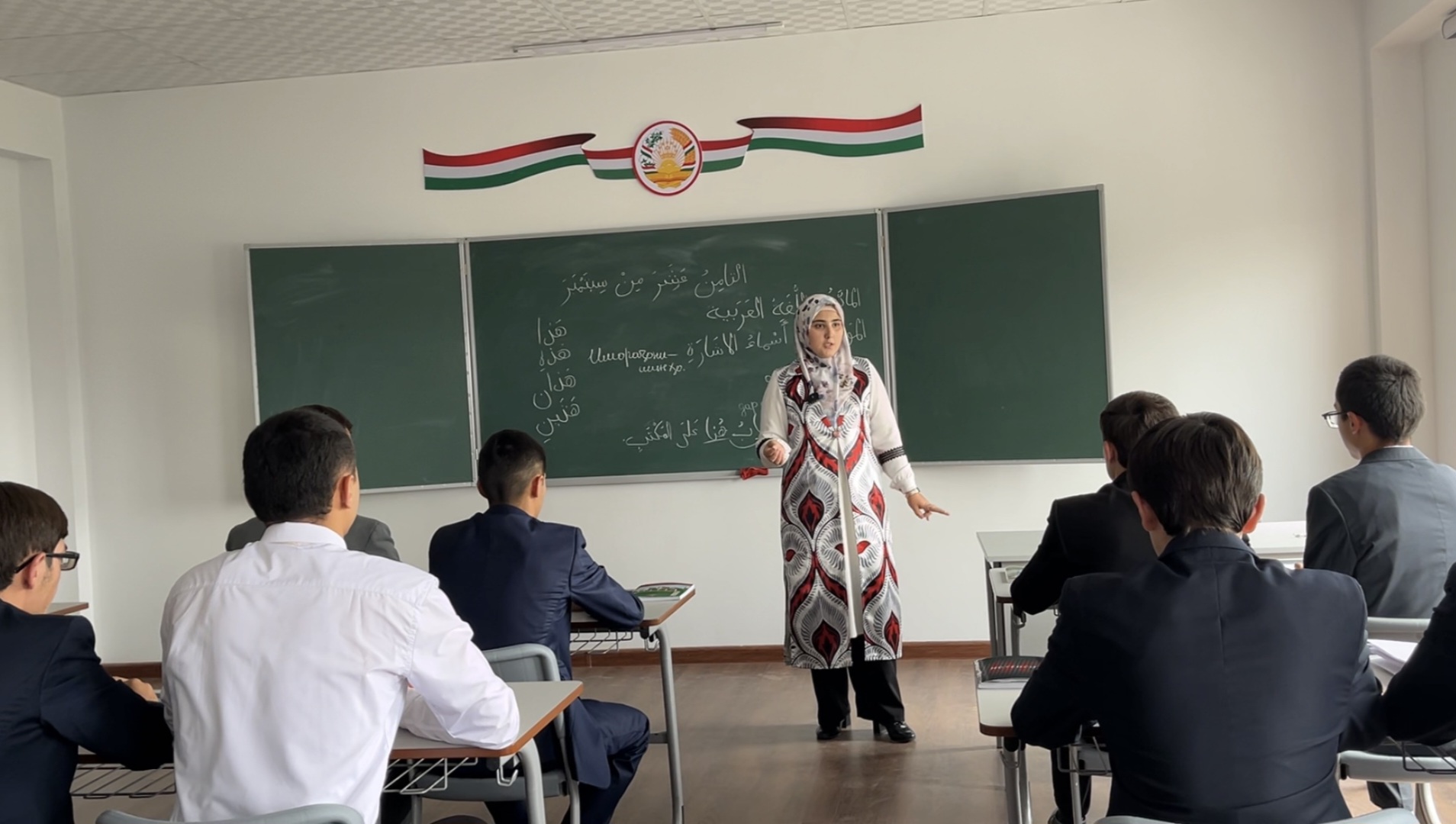
Students in the Islamic Studies faculty specialize in Islamic sciences and classical texts, as well as Quran studies and calligraphy. The Orient Philology faculty offers programs in foreign languages (Arabic), informatics, linguistics, and history and religious studies.
Zokirzoda explained that the Institute prepares specialists for both state institutions and religious organizations. The curriculum includes religious subjects such as Quran, Hadith, Fiqh (Islamic jurisprudence), and Aqeedah (Islamic beliefs).
Tuition and study conditions
The Institute offers both budget-funded and contract-based tuition. Contract fees vary by program:
- Linguistics: 5,200 somonis
- Arabic Language and Informatics: 4,900 somonis
- Islamic Studies, Quranic Studies, History, and Religious Studies: 3,700 somonis
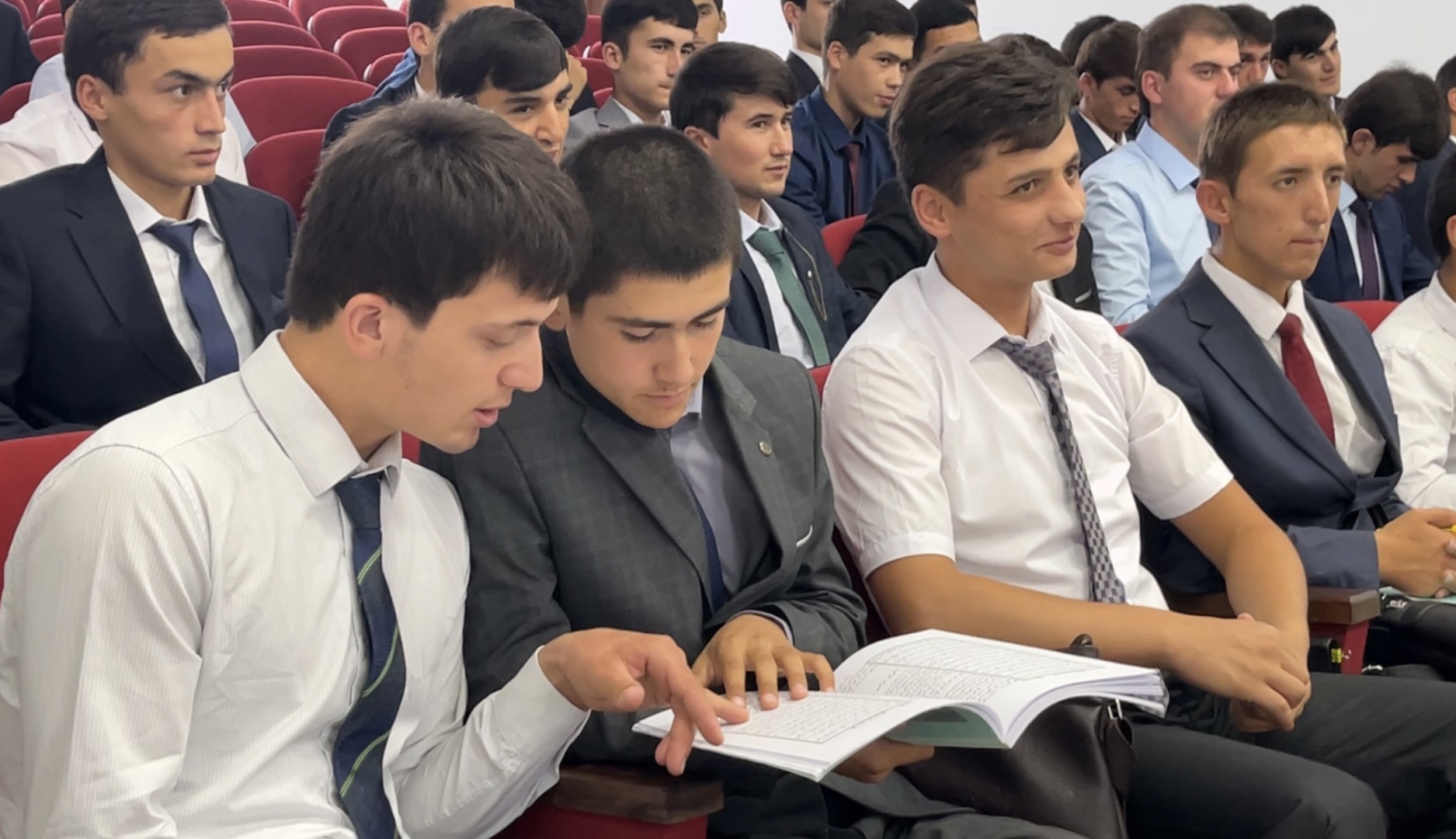
Zokirzoda emphasized that practical lessons follow a set standard and include lectures and interactive sessions. The Institute's library holds about 13,000 religious and secular books, which students can access for research and study.
Where do graduates work?
Graduates from the Islamic Institute can work in government structures, religious institutions, and educational establishments. Many graduates are now serving as imams in mosques across the country. The Institute has also partnered with the Ministry of Education to place students in schools where there is a shortage of teachers.
Female enrollment and opportunities
Currently, only 12 female students are enrolled in the Institute’s distance learning program, and there are no restrictions on women’s education. The rector explained that while women may pursue other non-religious degrees, such as Arabic translation or history, the religious programs offered at the Institute are specifically designed for those who aim to work in religious organizations.
Historically, female enrollment was higher, with 250 women enrolled in 2018. The decline in female participation is attributed to a lack of interest in religious studies and limited career opportunities after graduation.
The future of religious education in Tajikistan
Zokirzoda stated that the Institute is fulfilling the demand for religious education in Tajikistan, making it unnecessary for students to seek education abroad. Currently, there are three students from Uzbekistan enrolled in the distance program. Over the years, the government has taken steps to limit religious education abroad, with many Tajik students being brought back from foreign religious institutions.
The Institute's museum
The museum at the Islamic Institute showcases the history of Islam in Tajikistan, including rare manuscripts, historical books, and items from Tajik scholars. The museum also displays ancient Quran copies, inscriptions, calligraphy, and other historical artifacts, reflecting Tajikistan’s rich Islamic heritage. Zokirzoda highlighted that the museum plays a key role in educating visitors about the significant contributions of Tajik scholars to Islamic civilization.
Faculty and Staff
The Islamic Institute employs 112 staff members, including 35 women. Among them are 60 faculty members, with many teachers holding advanced degrees and further academic qualifications.
Founded in 1997, the Institute has been a significant religious educational institution in Tajikistan, transitioning from an independent body to one under the Ministry of Education and Science. Since 2018, religious education outside government-run institutions has been banned, and religious teachings are now exclusively offered by state educational organizations.
Today, the Islamic Institute remains the primary institution in Tajikistan for religious education.