Tajikistan’s mountain lakes, unique natural landmarks vital to the country's ecosystems, are facing severe degradation due to climate change and human activity. These lakes not only provide fresh water and support biodiversity but also help maintain the natural balance of the region. However, in recent decades, these bodies of water have been increasingly threatened by ecological issues.
Karakul Lake under threat
Karakul, the largest endorheic lake in Tajikistan (Murgab district in Gorno Badakhshan Autonomous Region, or GBAO), sits at an elevation of 3,914 meters in the Eastern Pamirs. Covering about 380 square kilometers, it has a volume of 26.6 km³. The lake’s bitterly saline water mainly derives from the melting glaciers of the Northern Pamirs, and its lack of outflow makes its ecosystem particularly vulnerable.
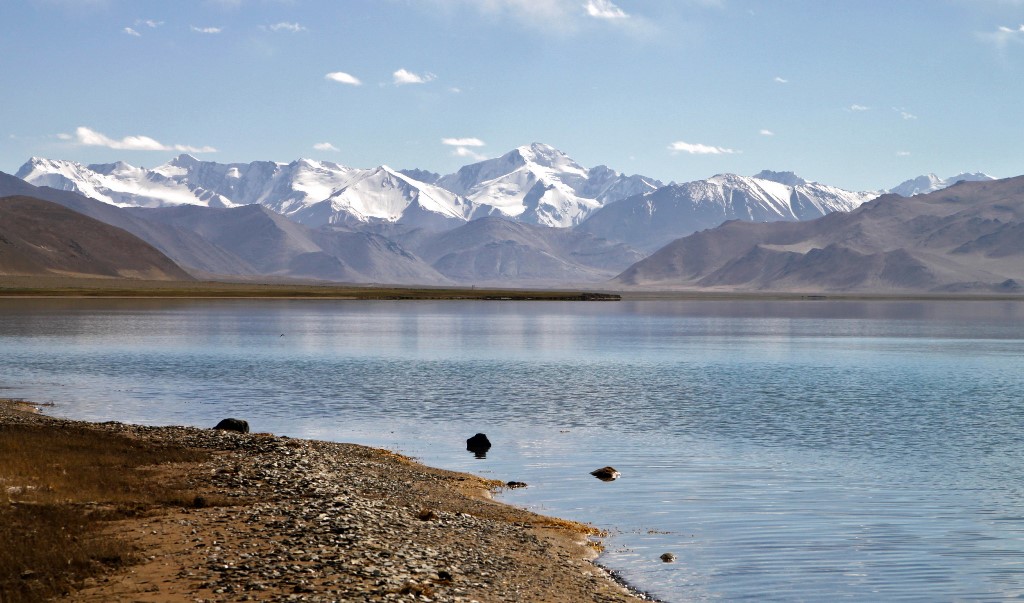
Over the past two decades, the shoreline of Karakul has changed dramatically. According to research by K.A. Nikitin, a graduate student at Moscow State University, using Landsat-7 satellite images from 2000 to 2021, the eastern shores have receded by 350–380 meters, with abrasive shores retreating by 120–140 meters. Russian scientists attribute this to the degradation of coastal glaciers that once reinforced the shores. These glaciers have now given way to straits and depressions, and islands are detaching from the shore.
Satellite monitoring from 1991 to 2020 confirms that Karakul is particularly sensitive to climate change: during drought years, the water surface area shrinks, while in wetter periods, it expands. These findings align with a 2017 study published in the Journal of Paleolimnology, which demonstrated that Karakul’s water level has fluctuated over millennia and continues to respond to current climate shifts.
The lake’s ecosystem is already poor due to its high salinity, with few species of fish found only at the mouths of rivers, while the lake primarily serves as a nesting site for seagulls and Tibetan terns. Increased salinity, glacier melting, and human activities threaten even these species, hastening the collapse of the fragile system. Karakul remains a symbol of the harsh nature of the Pamirs and an indicator of global climate trends that will determine its future.
The challenge of Lake Sarez
Formed after the 1911 earthquake, Lake Sarez Lake is one of Tajikistan's largest (located in GBAO’s Rushan district). One of its greatest threats is the potential collapse of the Usoy Dam, which could lead to catastrophic consequences. Earthquakes, glacier melt, and changes in the water balance affect the dam’s stability, increasing the risk of a breach and mudflow events. Climate change and decreasing glacial feeding also impact the lake’s water balance. The early warning system introduced in the 2000s requires modernization due to outdated equipment and the region's inaccessibility.
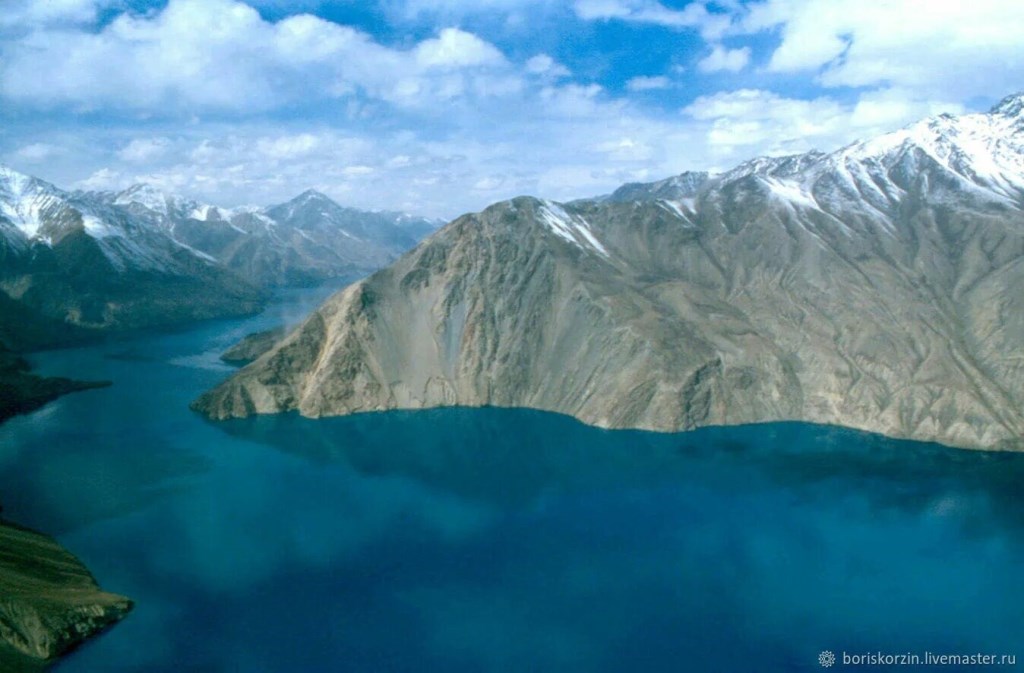
To effectively protect the lake, improvements in infrastructure and monitoring are necessary, demanding significant investment and efforts from both international organizations and the Tajik government.
Zarrinkul: An Ecosystem Under Threat
Zarrinkul, formerly known as Zorkul, is a shallow high-altitude lake on the border between Tajikistan and Afghanistan (GBAO’s Murgab distirct). It holds particular significance as a migratory and nesting site for birds, including rare species, and is a key area for biodiversity. However, the lake’s ecosystem is now facing serious threats.
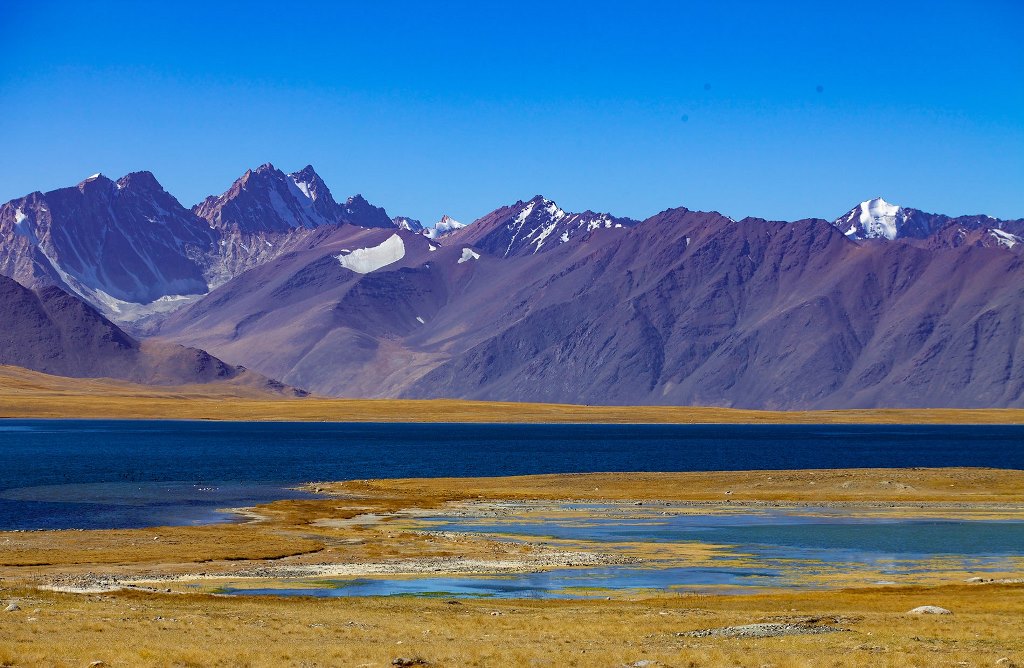
Glacier melt is lowering water levels, degrading the surrounding wetlands, and pasturing pressures are damaging vegetation, reducing habitats for birds, and altering predator-prey relationships. Overgrazing is identified as one of the key environmental degradation factors in the Zorkul sanctuary. Poaching and weak monitoring exacerbate the situation, creating additional risks to biodiversity preservation.
International studies emphasize that Zarrinkul’s fate is a reflection of the vulnerability of high-altitude lakes in Central Asia. Without intensified conservation measures, the region risks losing one of its unique ecosystems, vital for ornithofauna and natural balance.
Yashilkul: pollution problems
Yashilkul is a large lake in the Pamirs (GBAO’s Murgab district), fed by the Alichur glaciers. It plays a crucial role in the regional ecosystem but is currently under serious threat. The main issue is the rapid melting of glaciers, particularly the Bachchigir Glacier, which has receded nearly 700 meters in the past decade. The reduction in glaciers and mountain streams feeding the lake is causing a decrease in water levels, desiccation of surrounding meadows, and drying out of the land.
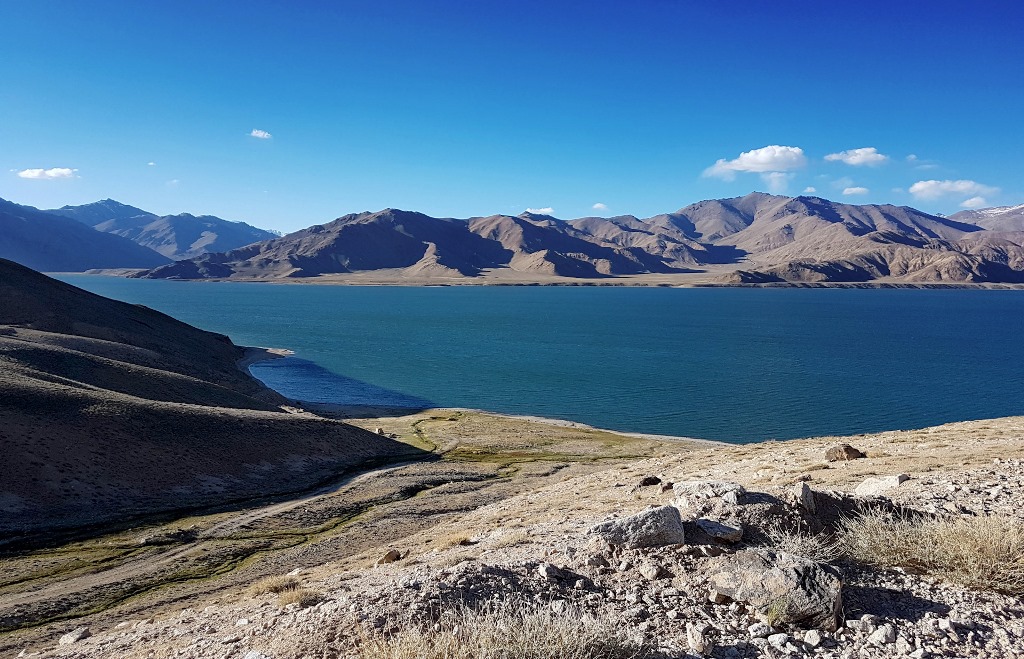
Water pollution is also a major concern. Due to low temperatures, self-purification processes are slow, meaning even small discharges of pollutants can persist for decades. This makes the lake particularly vulnerable to human impact. Other threats include illegal fishing, which harms bird populations, and vegetation destruction, leading to soil compaction and changes in hydrological regimes.
Yashilkul, along with Bulunkul, forms a special ornithological region within Tajik National Park, encompassing mountain pastures, wetlands, deserts, and slopes. However, the unique biodiversity of the area is at risk due to the combination of climatic and human factors.
Shorkul: Hyper-Saline Lake with High Vulnerability
Shorkul is a unique hyper-saline lake in the Pamirs (GBAO’s Murgab district), important for migratory birds. It serves as a stopover and nesting site for rare species, including mountain geese. However, the lake’s ecosystem is under severe threat. Overgrazing is damaging the shore ecosystems, reducing biodiversity, and worsening conditions for birds and other animals. Climate change, accelerated glacier melting, and reduced water levels have led to the near-complete drying out of Shorkul in recent years. This has already affected migratory cycles and bird colony populations.
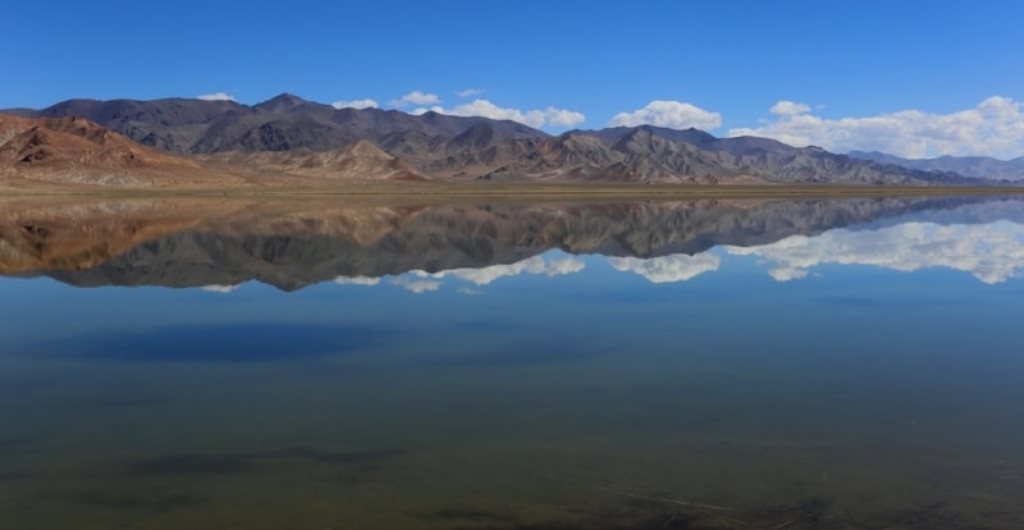
Additional risks include hunting, poaching, and the commercial capture of animals and insects. Experts highlight the need for conservation measures, including the creation of protected areas for rare and endemic species, regulating economic activities, and implementing quotas and bans on the collection of endangered organisms. Monitoring, water quality control, and the development of sustainable water resource management strategies are essential to protect the lake.
Rangkul: A Lake on the Brink of Disappearing
Rangkul is another high-altitude hyper-saline lake in the Pamirs (GBAO’s Murgab district), which has rapidly shrunk in recent decades. Scientists warn that if current trends continue, the lake may soon disappear. The primary threat comes from climate change, with melting glaciers and increased evaporation raising salinity levels and degrading the ecosystem. Desertification is also occurring, particularly in areas vulnerable to the dry climate. Hydrological changes in the region, such as rising groundwater and decreasing river flows, are disrupting the natural balance.
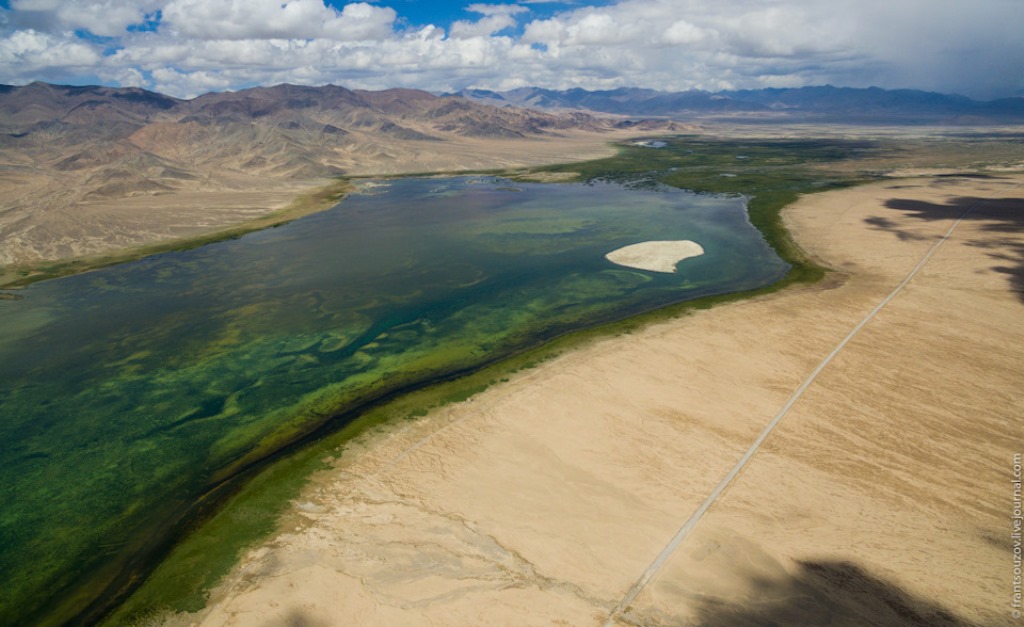
Human activity, including hunting, poaching, and commercial collection of animals and insects, also exacerbates the pressure on the ecosystem. The lake supports unique wetland complexes, but the lack of systematic monitoring and insufficient awareness among local communities are speeding up environmental degradation. Ecologists recommend promoting sustainable resource management projects and increasing collaboration with local residents to reduce human impact and preserve the ecosystem.
Iskandarkul: Tourism and Pollution Pressures
Iskandarkul, a picturesque lake in the Fan Mountains (Ayni district in Sughd province), has become one of Tajikistan’s key tourist destinations. Tourists flock from around the world to admire its turquoise waters, towering peaks, and famous waterfall. However, the lake’s ecosystem is facing mounting pressure due to tourism. The main threat is pollution, as plastic waste left by tourists and trampling of the shoreline are disrupting the natural balance. Glacier melt is also affecting water levels and transparency.
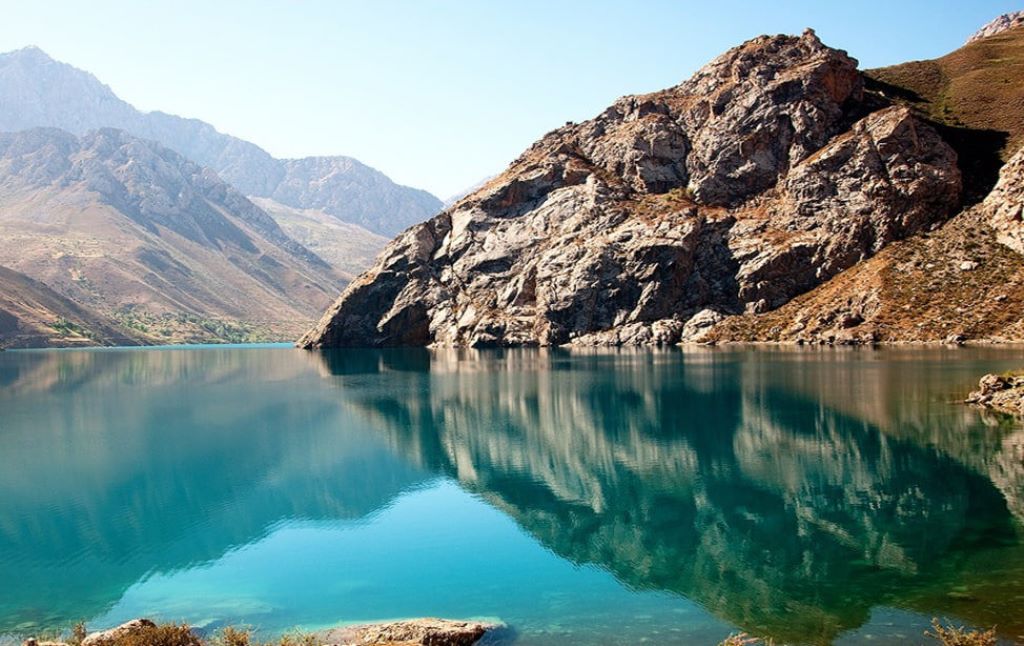
In addition, studies show that the lake is contaminated with heavy metals—copper, zinc, lead, and iron. While the water generally meets drinking standards, it is unsuitable for fish farming due to low oxygen content and high metal concentrations. Natural phenomena such as floods, avalanches, and landslides also alter the chemical composition of the water, creating additional risks for biodiversity.
Nevertheless, Iskandarkul remains a crucial tourist hub, with potential for various types of tourism—from eco-tourism to adventure travel. The Tajikistan Tourism Development Strategy through 2030 includes plans to create eco-friendly routes and facilities, including those around Iskandarkul and the Pamirs. Experts argue that sustainable tourism models, monitoring systems, and environmentally safe routes could be the key to preserving the lake’s unique ecosystem.
Haftkul: Seven Lakes Under Pressure from Tourism and Climate Change
The Haftkul Valley, a popular tourist destination in the Fan Mountains (Panjakent in Sughd distirct), is known for its chain of seven scenic lakes. However, its unique ecosystem faces serious challenges. Mass tourism is leading to the accumulation of garbage, trampling of shoreline vegetation, and nutrient enrichment of the water, all of which deteriorate water quality. Climate change is exacerbating these pressures, with glacier melt and land degradation increasing ecological risks and reducing the ecosystem's resilience.
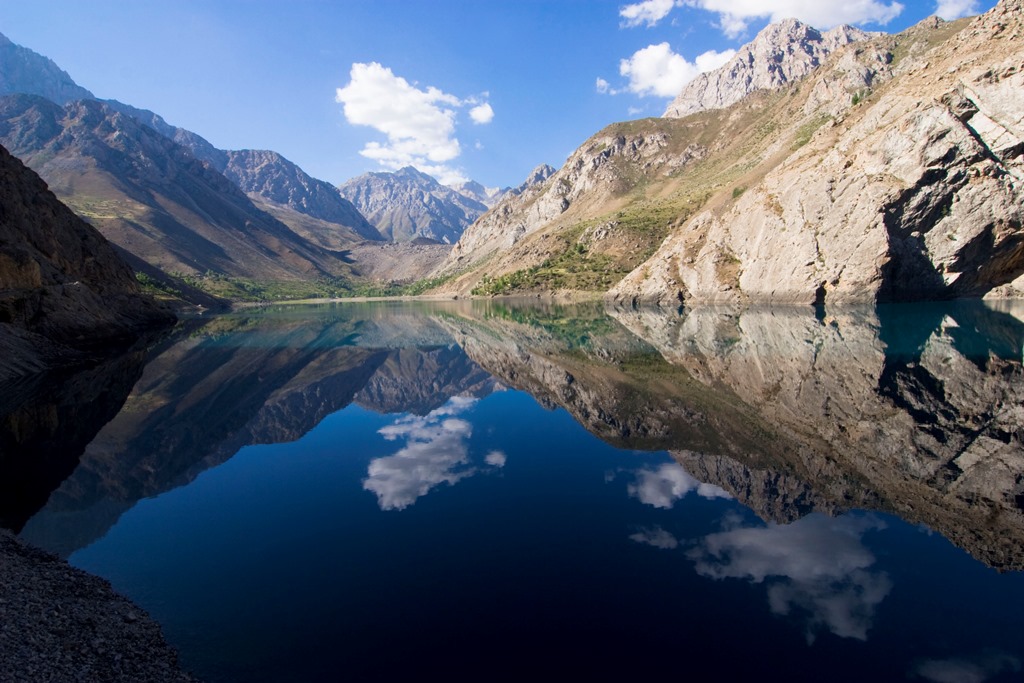
Haftkul remains a magnet for hiking and eco-tourism, but preserving the lakes’ beauty and purity requires adherence to simple rules: no littering, avoiding unauthorized campsites, and respecting nature.




