

What are the main security threats to Central Asia in the coming years? How will rising extremism, climate risks, and the situation in Afghanistan impact the region’s future? Experts are analyzing these questions, focusing on several key factors.
1. Threats from the Taliban and other radical groups based in neighboring Afghanistan.
2. Economic and social crises triggered by drought and water shortages.
3. The rise of internal extremism (including sleeper cells and the return of former terrorists).
4. Cyberextremism.
Afghanistan, the Taliban, and other radicals
Qosim Bekmuhammad, an expert on regional issues, emphasizes that the situation in Afghanistan has long been a source of concern for neighboring countries, including those in Central Asia. He notes that these fears were further heightened after the collapse of the republican system in August 2021, leading to the Taliban’s rise to power.
Despite the Taliban’s claims of controlling extremist groups, border guards in Tajikistan, Uzbekistan, and Turkmenistan have had occasional clashes with them. The number of incidents on the Tajik-Afghan border has been particularly high, raising concerns.
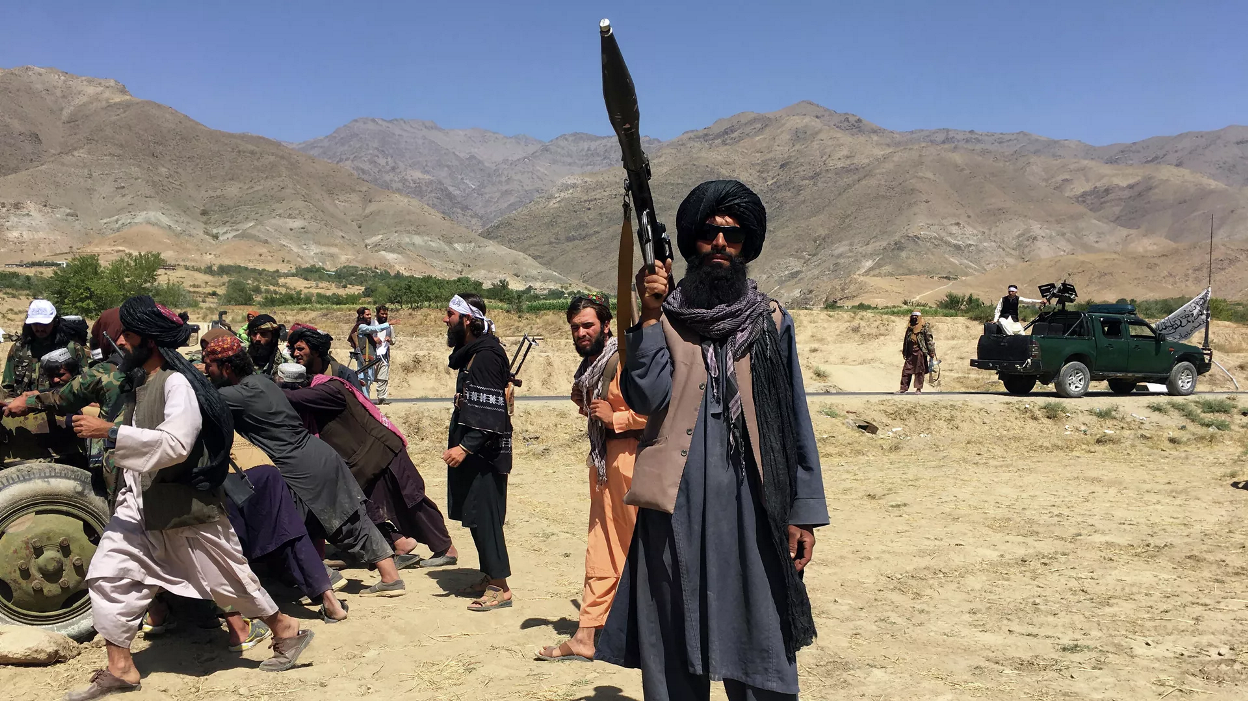
Experts note that the presence of international terrorist groups, such as ISIS, Al-Qaeda, and Katibat al-Imam Bukhari, in Afghanistan poses a serious threat to the stability of Central Asia. These groups continue to use virtual space to recruit supporters and prepare for terrorist acts.
Crises triggered by drought and water shortages
Climate change, particularly extreme heat, is expected to become more frequent and intense in Tajikistan. Environmental journalist Timur Idrisov notes that global warming is exacerbating desertification, water shortages, and issues of energy and food security.
This, according to Idrisov, will negatively affect the health of thousands of people, increase premature mortality, and place a greater strain on the healthcare sector.
Abnormal heat and droughts also pose significant threats to agriculture. According to GIZ, 68% of arable land in Tajikistan depends on irrigation. With rising temperatures, melting glaciers, and reduced snow cover, the region’s hydro-meteorological regime is changing, which will negatively affect the quantity and quality of agricultural crops.
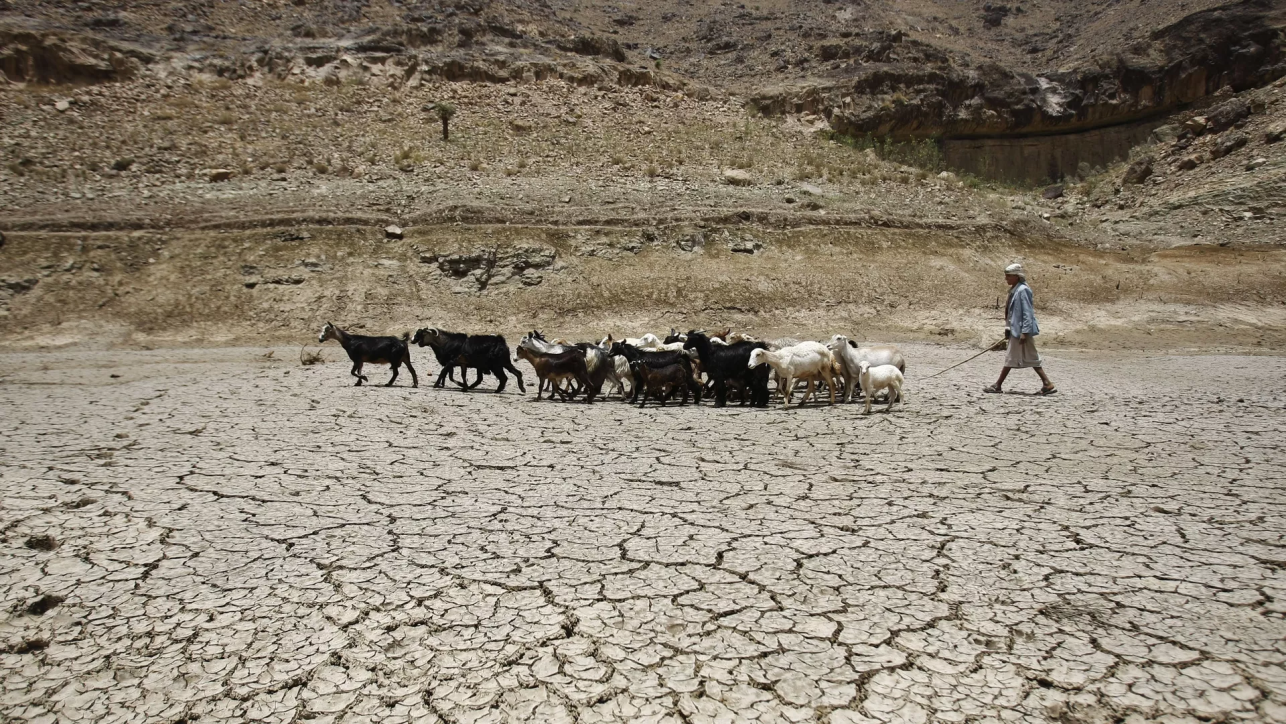
High temperatures will also increase the risk of pests and diseases. Idrisov explains that heat also affects infrastructure, with disasters like mudflows (due to rapid snowmelt) or droughts potentially destroying roads, bridges, power lines, irrigation systems, and other critical infrastructure.
Increased temperatures will lead to higher water demand from agriculture, industry, and the population. Climate change will affect the seasonal flow of rivers and the overall amount of water, directly impacting the operation of reservoirs and energy production.
Moreover, climate change will affect the frequency of extreme hydrological events, such as floods and droughts, which adds another risk factor, says hydrologist Yuliy Didovets from the Potsdam Institute for Climate Impact Research.
“Research shows a slight decrease in average annual river runoff, which could reduce the hydroelectric potential of Central Asia by around 10%,” Didovets explains. Notably, more than 98% of Tajikistan’s electricity is produced by hydropower.
Rising internal extremism
According to the Ministry of Internal Affairs, 1,750 crimes of a terrorist and extremist nature were uncovered in Tajikistan in 2024, leading to the detention of 365 members and supporters of various extremist organizations. However, the question of former militants returning to the region and the activation of sleeper cells remains critical.

Temur Umarov, a security expert, believes that the risk of internal extremism is a permanent issue, influenced by the activities of terrorist organizations worldwide. He notes that while ISIS has lost strength, the rise of ISIS-Khorasan (ISIS-K) remains a significant threat, particularly in Central Asia.
Rustam Azizi, an expert on countering violent extremism, echoes these concerns. He stresses the constant threat of terrorist attacks and notes that it is impossible to completely protect against them. Azizi points out that ISIS militants from Tajikistan have previously issued threats, and there has been a rise in recruitment from Central Asia, especially from Tajikistan and Uzbekistan.
Cyberextremism
The threat of cyber extremism is becoming increasingly urgent. Asomidin Atoyev, an expert on IT technologies, emphasizes that online violent extremism, or the use of the internet for extremist purposes, is a serious issue, as it directly affects real life.
Unfortunately, extremists are using the vast capabilities of digital technologies to achieve their goals. At the same time, society—either passively, by ignoring available digital tools, or actively, by creating artificial barriers to technological progress—helps facilitate this technological advantage for wrongdoers.
Atoyev also shares the concept of cyberspace as the “new home of reason,” created by humans. Unfortunately, he notes, humanity has not managed to prevent the destructive use of this “fifth space” as it has with the other four natural spaces (land, water, air, and space).
Research by SecDev Group emphasizes that the spread of violent extremism online is multifactorial, with factors like “language information asymmetry,” “digital connectivity,” “lack of religious content,” and “digital media illiteracy” increasing the vulnerability of users to harmful digital content.
Atoyev concludes that although it is impossible to protect against all digital threats, measures can be taken to improve digital resilience. Governments, businesses, and civil society can work together to strengthen digital security, expand media literacy, and create alternative content to counter extremist narratives.



