Tajikistan hosted Helen Clark, Chair of the Extractive Industries Transparency Initiative (EITI), from November 24-25. The purpose of her visit was to discuss an assessment to determine Tajikistan's compliance with the EITI Standard.
The goal of the visit was to assist in more effective implementation of the EITI requirements in the country. At the conclusion of her visit, Clark gave an exclusive interview to Asia-Plus.
"Tajikistan joined the EITI in 2013 and has been implementing the EITI Standard. This is the third round of validation for Tajikistan, with the last round conducted under the 2019 EITI Standard," Clark explained. "The validation in 2028 will be based on the 2023 Standard, which will have much stricter requirements. We came to assess how familiar ministries and agencies are with these recommendations."
Ms. Helen Clark and her team met with Vice Prime Minister Usmonali Usmonzoda, who oversees infrastructure issues, and Minister of Finance Faiziddin Qahhorzoda. They also held discussions with the Ministry of Industry and New Technologies, the Main Geology Committee, and the State Committee on Investment and State-owned Property Management. Additionally, there were key meetings with the EITI Council, which includes representatives from the state sector and civil society, as well as separate sessions with civil society organizations and actors in the mining industry.

Can EITI help attract more investors to the mining sector in Tajikistan?
When asked about the impact of EITI on making Tajikistan more attractive to investors, Clark highlighted the importance of corrective actions. "The more transparency there is—such as clearly describing the process for obtaining licenses with a clear understanding of where and how they can be obtained—the more attractive Tajikistan will be for investors," she said.
"Currently, there are discussions about reforming the mining sector. Once legal contradictions are removed from the legislation, quality investors will be far more interested. Improving the regulatory framework is key," she added.
Key gaps in transparency
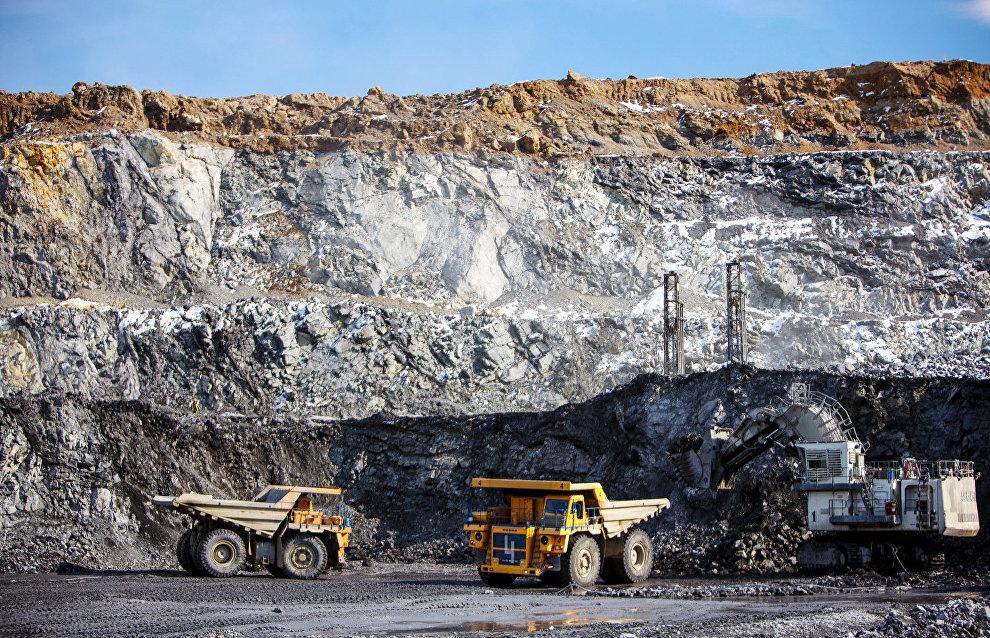
Asked about the key gaps in transparency in Tajikistan's mining sector, Clark pointed out several critical areas. "EITI was launched in the early 2000s, and the mining sector has been quite controversial. In those years, many corrupt practices existed, and some actors were responsible for such practices, sometimes leading to serious conflicts. This was one of the reasons why EITI was launched. The core mission of EITI is ensuring transparency and accountability," Clark explained.
"In Tajikistan, there is a lot of information available, but it is not fully disclosed. For example, publicly available data on geological surveys is limited. Licensing issues also present problems; it is not always transparent, and sometimes there are barriers to obtaining permits."
Clark added that transparency issues also extend to investment agreements, precious metals production and export, beneficial ownership, state-owned enterprises, and social-environmental contributions. "We know the information exists, but it is not being disclosed. As of the last validation round, Tajikistan scored 55 out of 100 points, which is a relatively low score. To improve in the next round, Tajikistan needs to work actively on data disclosure," she emphasized.
Recommendations for Tajikistan's EITI implementation
When asked what corrective actions should be taken in the next year to prevent a decline in Tajikistan's EITI score or suspension of the country’s status in the initiative, Clark emphasized that Tajikistan must become more transparent regarding data disclosure. "There are limitations in accessing information, so Tajikistan must be more transparent about issues like geological surveys, licensing, contracts, beneficial ownership, and precious metals production, including exports," she said.
"Digitalization is also key, so that data is publicly available and does not require requests to access it. We recommend publishing audited financial reports first and foremost. Additionally, all transactions between state-owned enterprises should be made public. All state-owned enterprises must report on their guarantees and loans, with clear rules about how much revenue goes toward their operational activities and how much goes to the treasury."
Successes and challenges
Helen Clark acknowledged Tajikistan's progress, noting that the country has passed the EITI assessment, unlike other nations that failed or showed poor results. "Tajikistan has made some successful strides, like the Beneficial Ownership Register, though unfortunately it is not yet fully accessible to the public. There have been positive developments in digitalization, which has become part of the state policy," Clark said.
However, she also emphasized that the process is long and complex. "EITI is a significant process, but nothing happens overnight. It involves certain milestones, and everything is done step by step, 'brick by brick.' The EITI Standard shows the direction that needs to be followed. Progress will come over time, and patience is required," she concluded. "We don't question Tajikistan's participation in EITI. The road is long, challenging, but the right one."
The importance of transparent licensing and beneficial ownership
Clark also emphasized the importance of maintaining an open online registry for mining licenses. "The main idea is to create a predictable and fair environment for obtaining licenses. When a public registry exists for entities that have already received licenses, it will increase trust in the process, and the higher the trust, the more quality investors will be attracted to the country," she explained.
She also stressed the importance of disclosing information about beneficial ownership. "Beneficial ownership helps identify the true owners and those who actually control a company. It also helps screen out shell companies and prevent market distortions," Clark said. "Beneficial ownership plays a crucial role in combating money laundering and other financial crimes. Data on mining, production, and export of precious metals should also be available."
Environmental transparency and civil society's role
Regarding environmental transparency, Clark stated that Tajikistan does not fully disclose environmental payments and damage data, which goes against the EITI Standard. "The EITI Standard requires countries to report all environmental damages, payments, compensation, fines, and penalties, if any. However, in Tajikistan, such information is not always disclosed or accessible," she said, recommending that the government publish information related to environmental damage management.
On the involvement of civil society, Clark praised Tajikistan's efforts but called for more comprehensive engagement. "At EITI, civil society must feel comfortable and have the ability to make proposals that serve the interests of the communities they represent. We want civil society to have a voice and participate in decision-making," she said.
Conclusion: a long but correct path
Helen Clark concluded by reiterating the importance of Tajikistan’s continued participation in the EITI process. "It’s a long journey, but it’s the right one. Progress will come with time, and it’s essential to stay patient and committed to the process."



