As the war between the United States and Israel against Iran enters its fifth day, airstrikes from both sides continue. The U.S. and Israel have targeted various cities in Iran, while Iran has retaliated by attacking Israel and U.S. military bases in Arab countries across the Middle East.
Tajik experts highlight that the bombings and the targeting of military leaders have not brought about the collapse of the Iranian regime, and Iran is prepared for a prolonged war.
Why did the war start?
The U.S. and Israel have provided their own versions of events to justify the conflict. They accuse Iran of abandoning the agreement to halt its nuclear program, claiming that without these airstrikes, Iran would soon have acquired nuclear weapons. However, this claim contradicts their earlier statements from the "12-day war" when both the U.S. and Israel claimed that strikes on Iran’s uranium enrichment facilities had deprived Iran of the ability to develop nuclear weapons.
Iran, on the other hand, insists that the U.S. initiated the conflict by abandoning diplomatic negotiations and turning to military action, as it did a year ago. Tehran maintains that the accusations from the U.S. and Israel are merely a pretext, emphasizing that Iran’s nuclear program is peaceful and it has no intention of developing nuclear weapons. Iran has repeatedly expressed its willingness to provide the International Atomic Energy Agency (IAEA) with conditions for inspections of its nuclear facilities. The head of the agency has also confirmed that "Iran does not possess nuclear weapons."
Despite these claims, the war began with airstrikes on Iran by the U.S. and Israel, and the conflict has now been ongoing for five days, causing casualties and destruction. The situation raises several questions: Why did the war start? What are the real objectives of the U.S. and Israel? How resilient is the Iranian regime? Why does Iran have no allies nearby? Is Iran ready for a prolonged war? How will Arab countries react to Iran’s strikes on their territories? And what will this conflict lead to? We sought answers from Tajik analysts and experts.
“The West’s main problem is Iran’s political system”
Political analyst Rahmatullo Abdulloyev believes the war was triggered by Iran’s independent policies, which are at odds with Western interests. He argues that the issues raised in negotiations are merely a pretext, and the real problem for the West is that Iran has no internal partners or collaborators willing to carry out its plans. According to Abdulloyev, the main goal of the U.S. and Israel is regime change in Iran, which has resisted Western pressure for over 40 years.
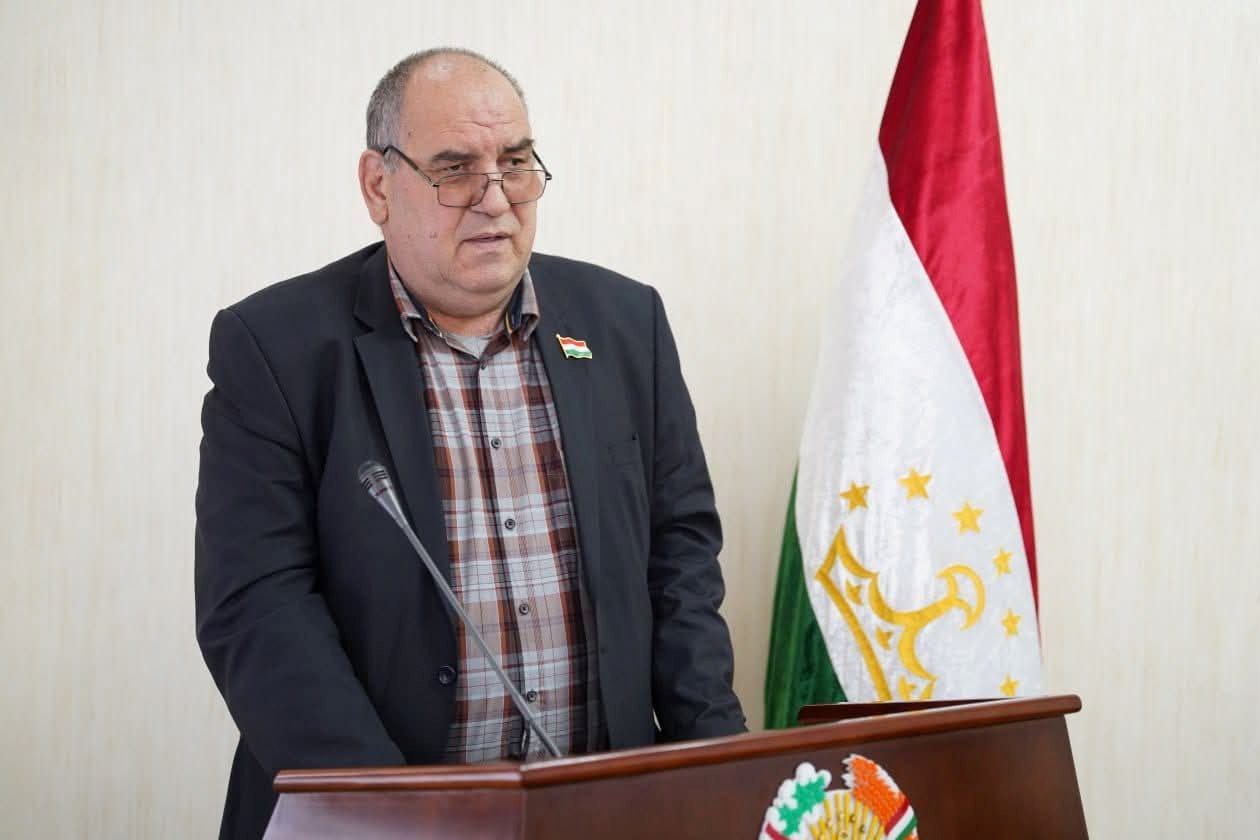
Abdulloyev recalled the disputes over Iran’s nuclear program, long-range missile development, and Iran’s support for political and military groups in Palestine and Lebanon. He also pointed out that the Joint Comprehensive Plan of Action (JCPOA) signed in 2015, involving Western countries, Russia, and China, was supposed to resolve the conflict but was abandoned by U.S. President Donald Trump.
The JCPOA, an agreement between Iran and six international mediators (the U.S., Russia, China, the U.K., France, and Germany), aimed to limit Iran’s nuclear program in exchange for lifting economic sanctions.
Abdulloyev considers the U.S. withdrawal from the agreement and the inaction of other signatories as a "betrayal of Iran," proving that the real issue is not Iran’s nuclear program, but rather the country’s independent political system. He added that Iran has no internal forces capable of implementing the U.S. and Israeli plans, and representatives of the former Pahlavi dynasty do not have significant support within the country.
Will Iran stand alone?
Abdulloyev suggests that while Iran is currently supported primarily by its own people, the situation may change in the long term. He believes Iran will not be able to remain isolated and is likely to receive unofficial military, informational, and intelligence support from countries like China, Russia, and Pakistan. If a ground operation were to occur, he anticipates that volunteers from neighboring countries could join Iran’s side. However, he does not believe the U.S. and Israel are prepared for a ground operation, given the costly and challenging experience of the war in Afghanistan.
“Iran is capable of waging a prolonged war”
Conflict analyst Rustam Azizi argues that Iran has demonstrated its ability to sustain a long-term military conflict despite heavy losses. According to Azizi, "a few missile and bomb strikes will not topple the Iranian regime or destroy its system." He highlights Iran’s large reserve of military personnel and the absence of a personalized political system.
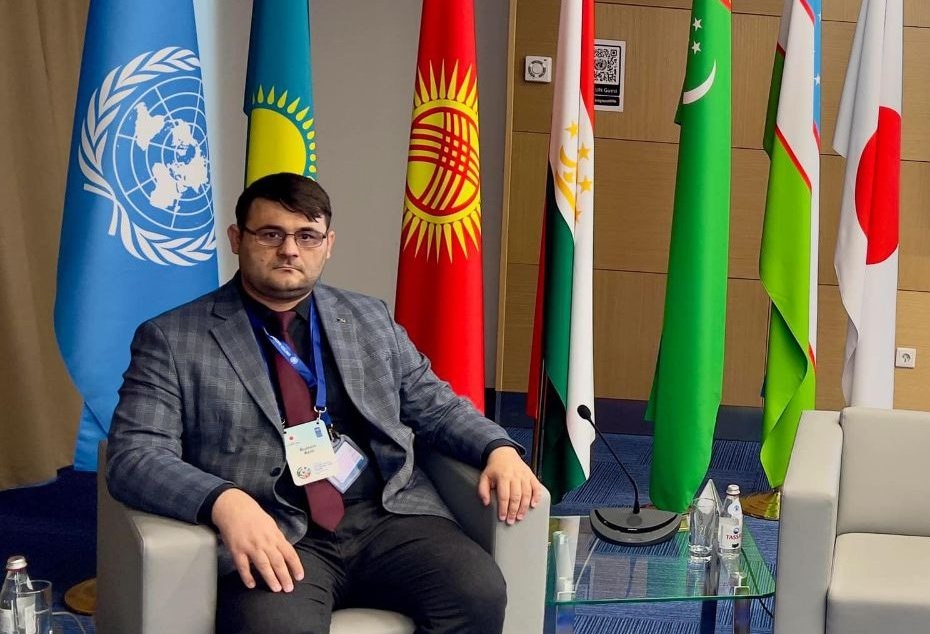
Azizi recalls the “12-day war,” when Israel eliminated several high-ranking Iranian military commanders, but they were quickly replaced, and the regime did not collapse. In the ongoing conflict, dozens of commanders, including Iran’s supreme leader, have been killed, but the war continues. Iran has retaliated by targeting U.S. bases in Arab countries, and reports suggest vulnerabilities in the U.S. air defense system.
Alarm in Arab countries
Azizi notes that the situation has been highly tense and unexpected for Arab states, which have relied on the U.S. for their defense. However, Iran’s retaliatory strikes have revealed weaknesses in their air defense systems. In the Arab media, new narratives have emerged, including the following points:
· The U.S. is unable to provide protection;
· Huge amounts of money spent on defense have yielded little effect;
· Strikes on energy infrastructure and the threat of blocking the Strait of Hormuz create global risks.
Despite these concerns, Azizi believes Arab countries will not be able to respond militarily to Iran—neither in terms of capability nor willingness to suffer significant losses. He emphasizes that a prolonged war would be extremely dangerous for Gulf countries, whose military forces are not strong enough for a ground conflict.
"This war won’t be resolved by bombings and missile strikes"
Azizi concludes that the war will not be settled by airstrikes or missile attacks alone. "A ground operation would require enormous resources. Iran is a large country with a powerful army and many supporters. In the case of a guerrilla war, the conflict could drag on for a long time," he says.