
As tensions continue to rise in the Middle East, two former Tajik diplomats have shared their views on the ongoing conflict in Iran, its underlying causes, and the broader implications for the region.
“Negotiations without mutual concessions won't yield results”
Abdunabi Sattorzoda, a former deputy foreign minister of Tajikistan and seasoned diplomat with experience negotiating with both Iranian and U.S. officials, believes the main reason for the failure of U.S.-Iran negotiations lies in the fundamentally opposing positions of the two sides.
"They hold diametrically opposed positions and are not ready to compromise," Sattorzoda said. He noted that international diplomacy has shown that talks without mutual concessions rarely succeed.
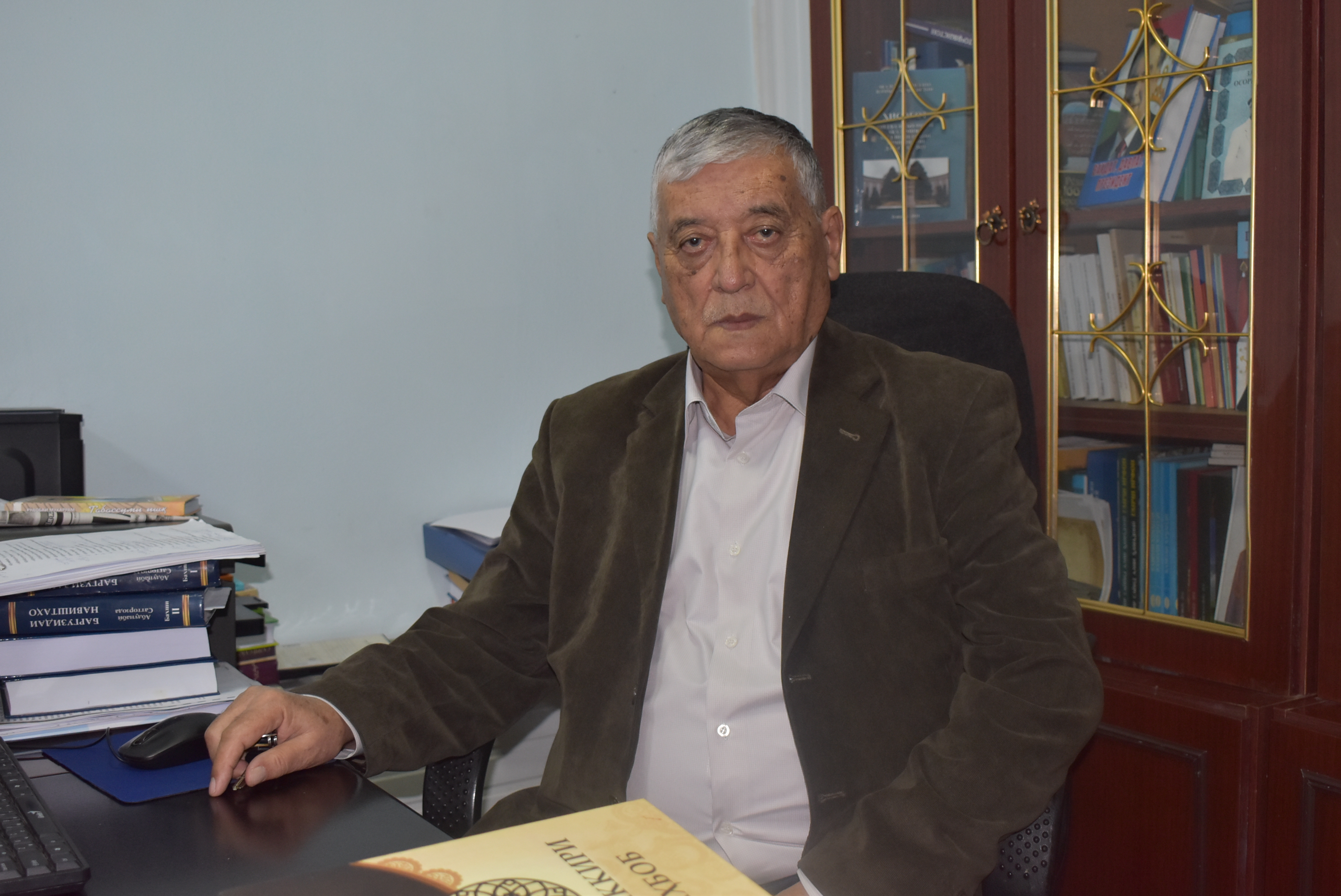
Sattorzoda criticized the U.S. demand for Iran to fully abandon its nuclear program, arguing that this demand runs counter to Tehran's national interests. He explained that such a move would strip Iran of its right to use uranium peacefully for energy production and national security.
He added that, while Iran had been optimistic about reaching an agreement regarding its right to enrich uranium for peaceful purposes and the potential lifting of sanctions, this hope was shattered by a sudden military attack on Iranian territory.
"An analysis of the negotiations over the past two years, including the most recent discussions between the U.S. and Iran before the attack, shows that for Washington, they were just a way to buy time and create more favorable military conditions to strike Iran," said Sattorzoda.
He also pointed to Israel's role in escalating the conflict, highlighting that Prime Minister Benjamin Netanyahu had been adamantly pushing for U.S. involvement in the war with Iran. "He repeatedly visited the U.S. and met with President Donald Trump with this goal in mind," Sattorzoda noted.
When asked whether war could be a solution to the conflict, Sattorzoda responded, "The use of force will not bring results. This has been proven by the 12-day war and the ongoing conflict, which continues to intensify. The military and political defeat of Israel and the U.S., who rely on their military might, is evident, and I am convinced of this."
He emphasized that the only path to resolving the conflict is through negotiations and a peaceful agreement. "There is no other way because continuing a war that spreads across more territories and countries every day is extremely dangerous," he concluded.
“Trump made a big mistake”
Another Tajik diplomat, who has worked in the Middle East for many years and wished to remain anonymous, analyzed the U.S. and Israeli aggression against Iran through what he referred to as "four bitter truths."
1. The goal is the creation of a ‘Greater Israel’ — According to the diplomat, Iran’s nuclear program was merely an excuse for the attack, despite the fact that it was known to be peaceful. Several years ago, Iran's Supreme Leader issued a fatwa banning the development of nuclear weapons. “The real goal is the realization of Israel's project to weaken neighboring states and fulfill the biblical idea of a ‘Greater Israel’ from the Nile to the Euphrates. To this end, Israel, with the support of the U.S., has already contributed to the destruction or destabilization of several Arab states: Iraq, Libya, Syria, and Yemen,” the diplomat stated. He also emphasized that Iran is different from these countries due to its thousands of years of history, culture, and strong sense of national identity.
2. Why U.S. bases in the Persian Gulf — The diplomat argued that U.S. military bases in the Persian Gulf were not primarily established to protect these countries, but rather to safeguard Israel, promote U.S. interests, and maintain control over the region. “Most likely, a significant portion of the expenses for these bases is borne by the host countries. However, recent events have shown that these bases are not guarantees of security, but rather sources of risk. Before the attack, the U.S. evacuated its military personnel and left the Arab states to face possible retaliatory strikes from Iran alone,” he remarked.
3. Will the U.S. Leave the Region? — The diplomat stated that Iran had warned even before the war began that an attack on the country could lead to a massive regional conflict and threaten U.S. presence and interests in the Middle East. “I think Trump made a big mistake by listening to Netanyahu’s advice. This could hurt his political future, weaken the U.S.'s position in the region, and even lead to the threat of impeachment in Congress,” he said.
4. All countries in the region are in danger — The diplomat believes that the U.S. and Israel are the primary culprits behind the conflicts and divisions between Middle Eastern states. "They will never allow the creation of an independent Palestinian state. Their goal is to fully absorb Palestinian territory, and their ambitions won’t stop there," he concluded.
The perspectives of these two diplomats shed light on the complex geopolitical dynamics surrounding the Iran conflict and its broader regional impact. As the situation continues to evolve, many countries in the region are bracing for the potential consequences of this ongoing crisis.