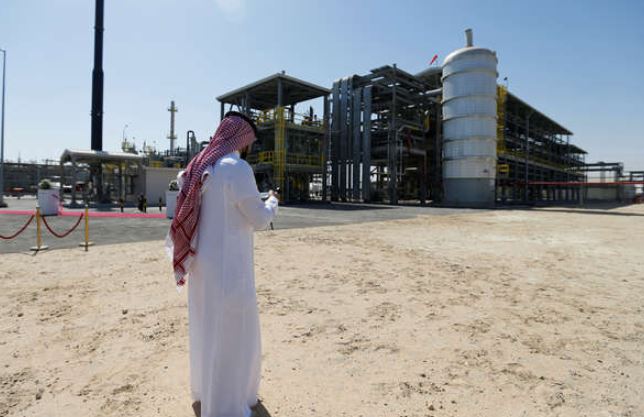
Saudi Arabia has sharply increased oil exports through alternative routes bypassing the Strait of Hormuz, Bloomberg reported, citing sources.
According to the report, the kingdom has ramped up the East–West pipeline to its maximum capacity of around 7 million barrels per day. The route allows crude to be transported to the Red Sea, avoiding vulnerable shipping lanes in the Persian Gulf.
Following the effective closure of the Strait of Hormuz, tanker traffic has been redirected to the Red Sea port of Yanbu. Current crude export volumes through the port are estimated at around 5 million barrels per day.
Of the total pipeline capacity, between 700,000 and 900,000 barrels per day are exported, while approximately 2 million barrels are supplied to domestic refineries within Saudi Arabia.
The East–West pipeline, stretching over 1,000 kilometers, was built in the 1980s specifically to ensure export continuity during crises or maritime disruptions. It connects oil fields in eastern Saudi Arabia with terminals on the Red Sea coast.
Data from analytics firm Kpler show that oil flows through the Strait of Hormuz — previously about 15 million barrels per day — dropped by 95% between March 1 and March 26.
On March 25, Iranian authorities announced they would allow vessels from friendly countries, including China, Russia, India, Iraq, Pakistan, and Malaysia, to pass through the waterway.