In Iran, young people, athletes, artists, students, and teachers have been urged to form a human chain around power plants. This statement was made by the Secretary of the Supreme Council of the Government for Youth and Adolescents, Alireza Rahimi, reports the Persian service of Euronews.
According to him, power plants are a national asset of the country.
“These facilities are our assets and capital. Regardless of political views, they belong to the future of Iran and the Iranian youth,” Rahimi stated.
As noted by the Associated Press, the Iranian authorities have previously resorted to forming human chains around nuclear facilities during periods of heightened tensions with Western countries.
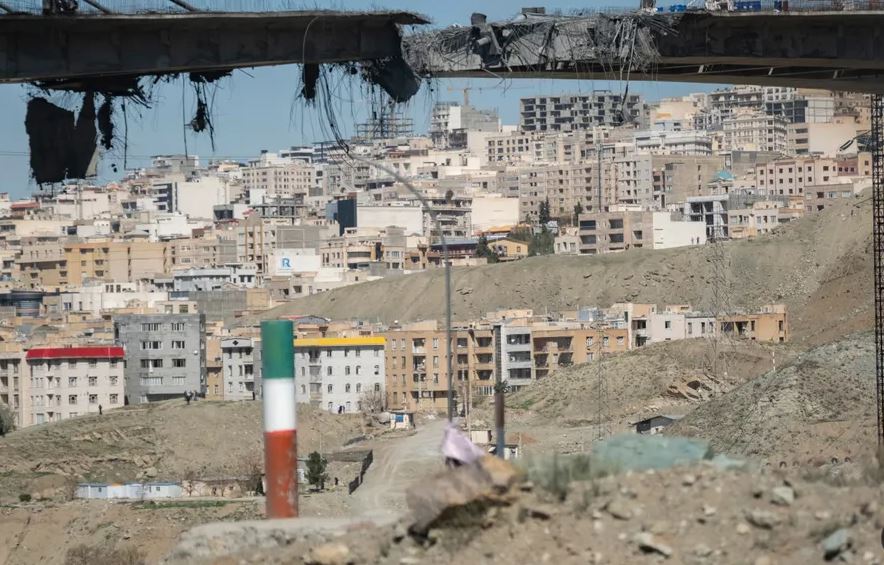
U.S. President Donald Trump stated on April 6 that Iran could be destroyed “in one night,” and suggested that “that night could come as soon as tomorrow,” Euronews reports. He promises to bring “hell” to the Iranians and a “return to the Stone Age” if they do not stop the blockade of the Strait of Hormuz.
According to Trump, the U.S. has a detailed plan that could lead to the destruction of all bridges and power plants in Iran if Tehran does not agree to a deal.
Washington has issued an ultimatum to Iran, which expires on Tuesday, April 7, at 8:00 PM Eastern Time (midnight Greenwich Mean Time and 03:00 Moscow time on April 8).
Human rights advocates and several politicians state that strikes on energy infrastructure could be considered a war crime.
Trump himself has previously stated that he does not consider such actions a violation of international law and accused Iran of committing a war crime due to the country’s possession of nuclear weapons.
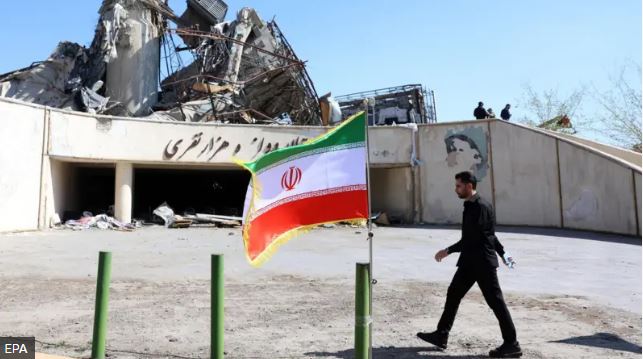
How Iranians are waiting for Trump’s deadline
Residents of Iran told the BBC how they are reacting to the threat from the U.S. president, despite the internet being down for more than five weeks. Many of them fear the consequences of strikes on energy infrastructure. According to the residents of Tehran, people have started stocking up on water and food, fearing interruptions in electricity and water supply.
Some Iranians initially perceived U.S. and Israeli strikes as support for protests; however, attacks on power plants are seen as a “red line,” as they could paralyze the lives of ordinary people.
Others, on the contrary, believe that even such strikes are permissible if they lead to the fall of the current regime.
Residents are also concerned about the economic consequences of the war: the halt of construction, layoffs, and business downturns are already affecting many families.
Due to the internet blockade, many are using SpaceX’s Starlink satellite service or purchasing traffic through Telegram, although this may lead to prison sentences.