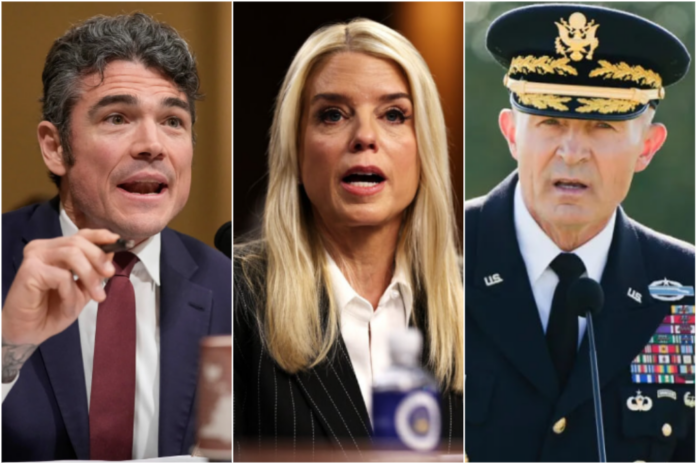
On April 2, U.S. Attorney General Pam Bondi and Chief of Staff of the U.S. Army General Randy George were dismissed.
Earlier, on March 17, Director of the National Counterterrorism Center Joe (Joseph) Kent resigned, making a public protest statement. What lies behind these dismissals?
A War That Was Supposed to End in 48 Hours
On February 28, the U.S. and Israel launched strikes on Iranian territory. Within the first 12 hours, over 900 strikes were carried out across various cities in the country.
As a result of the attacks, Iran’s Supreme Leader Ali Khamenei was killed, along with dozens of other high-ranking officials.
The head of Israeli intelligence, David Barnea, previously stated that after the strikes and the elimination of Iranian leaders, the population would take to the streets, protests would begin, and power in the country would change hands. This scenario was referred to as the “Venezuelan plan.”
However, this did not materialize. Weeks after the war began, analysts did not see serious signs of collapse within the Iranian regime.
On March 3, U.S. President Donald Trump stated that the operation was expected to last four to five weeks, but the goals of the war changed several times during this period—from regime change to the destruction of the nuclear program, from control over the Strait of Hormuz to seeking support from NATO and European countries.
Resignation of Three High-Ranking U.S. Officials
Five weeks after the war began, the U.S. faced a number of problems. Against this backdrop, three key officials left their positions.
On April 2, General Randy George, who held the position of the 41st Chief of Staff of the U.S. Army, was dismissed. He was considered one of the most experienced four-star generals in the U.S. Army.
A four-star general is the highest military rank of senior officers in the U.S. Armed Forces. This is a “full” general who holds four silver stars and commands large units, armies, or is a member of the Joint Chiefs of Staff. The rank is above lieutenant general (three stars) but below a five-star general of the army.
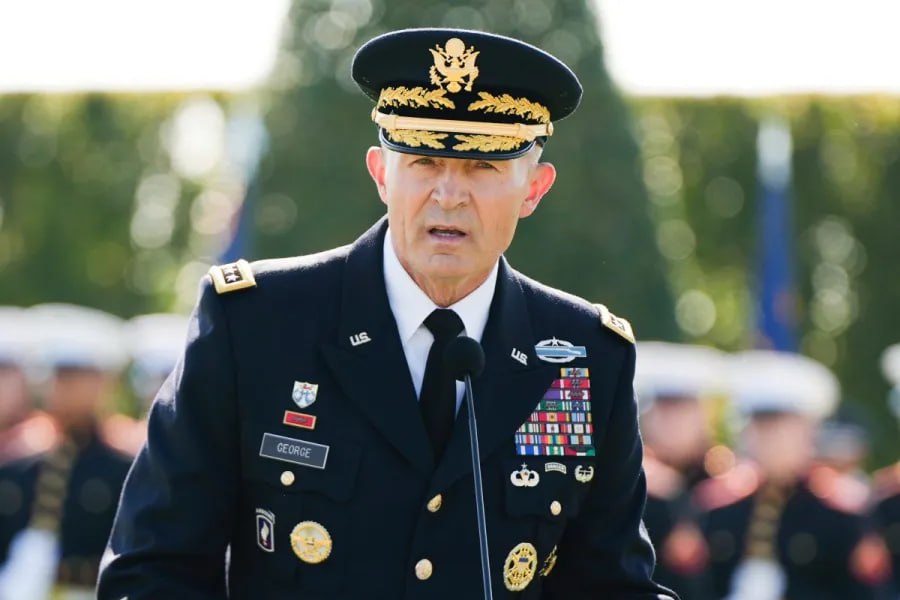
Interestingly, in February 2025, during a major wave of dismissals of senior military officials initiated by Defense Secretary Pete Hegseth, George managed to retain his position.
According to media reports, Hegseth demanded that the general resign immediately. Pentagon spokesman Sean Parnell confirmed this decision, stating:
“General George is immediately resigning from the position of 41st Chief of Staff of the Army.”
However, no official reason for this decision was provided.
After this, George’s deputy, General James Mingus, also resigned prematurely. Donald Trump has already proposed the candidacy of Lieutenant General Christopher LaNeve for this position.
According to NPR and CBC News, George’s dismissal occurred on the same day that Trump delivered a speech about the war with Iran and provided its interim results.
The U.S. Attorney General Also Lost Her Position
On the same day, April 2, U.S. Attorney General Pam Bondi was also dismissed—one of the key figures in the American political system and a close ally of Trump.
Before this, Bondi had served two terms as Attorney General of Florida. During Trump’s first impeachment, she acted as his personal attorney.
At the end of 2024, Trump nominated her for the position of U.S. Attorney General, and the Senate confirmed her nomination. She became one of the few women to hold this position.
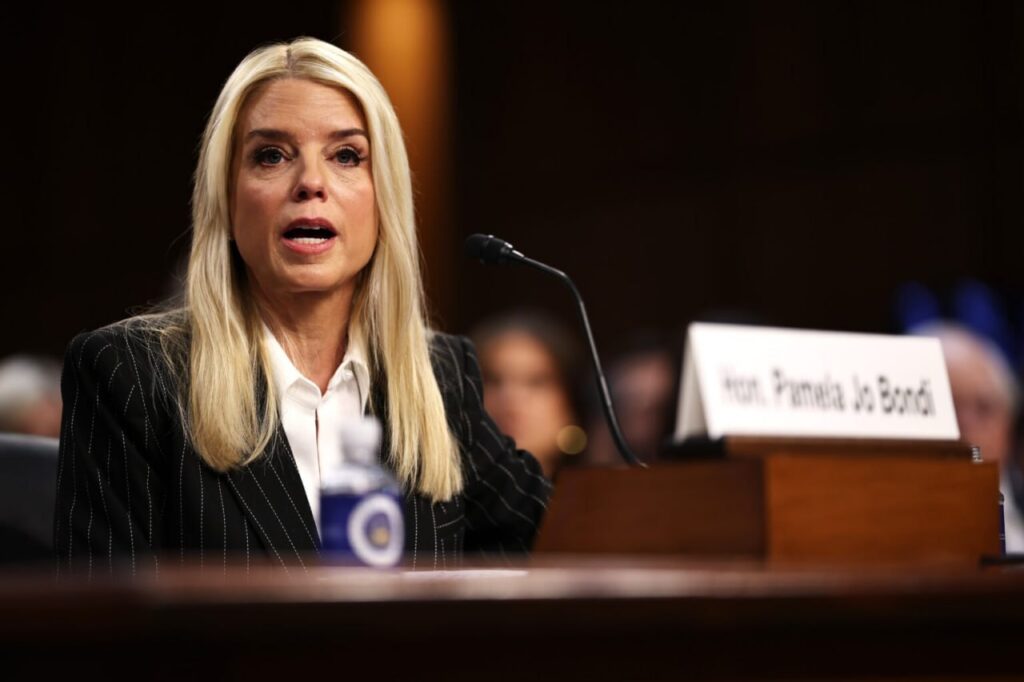
During her tenure, Bondi made significant personnel changes. In particular, she fired prosecutors and investigators who were investigating the events of the January 6, 2021, Capitol Riot and cases against Trump.
Additionally, Bondi took control of two key divisions of the Department of Justice—the corruption division and the civil rights division—and in various ways removed officials involved in cases against Trump from their positions.
The Attorney General’s office under Bondi initiated criminal cases against former FBI Director James Comey and New York Attorney General Letitia James, but judges dismissed both cases, as the prosecutor who initiated them was reportedly a “supporter of Pam Bondi.”
Why Was Bondi Fired?
Trump, on his social network Truth Social, called Bondi a “great patriot of America” and announced that she was moving to the private sector, but he did not explain the reason for her dismissal.
According to media reports, the resignation could be related to the unfinished investigation into the Jeffrey Epstein case, as well as Bondi’s failure to fully meet Trump’s political demands.
Analysts also link her dismissal to the war against Iran. According to Washington Examiner, Trump wanted to get rid of an official who was creating “negative headlines” in the media.
According to CNN, he also believed that Bondi was not actively pursuing his political opponents.
Currently, the duties of Attorney General are being temporarily fulfilled by Todd Blanche—a former attorney for Donald Trump.
Joe Kent—The Only Official to Publicly Oppose the War
Earlier, the Director of the National Counterterrorism Center Joe Kent resigned in protest against the U.S. war with Iran. He became the only high-ranking U.S. official to openly oppose the conflict. On March 17, he wrote on his X (Twitter) page:
“I cannot in good conscience support the current war with Iran.”
According to him, Iran did not pose an immediate threat to the U.S., and the war began under pressure from Israel and its powerful lobby in America.
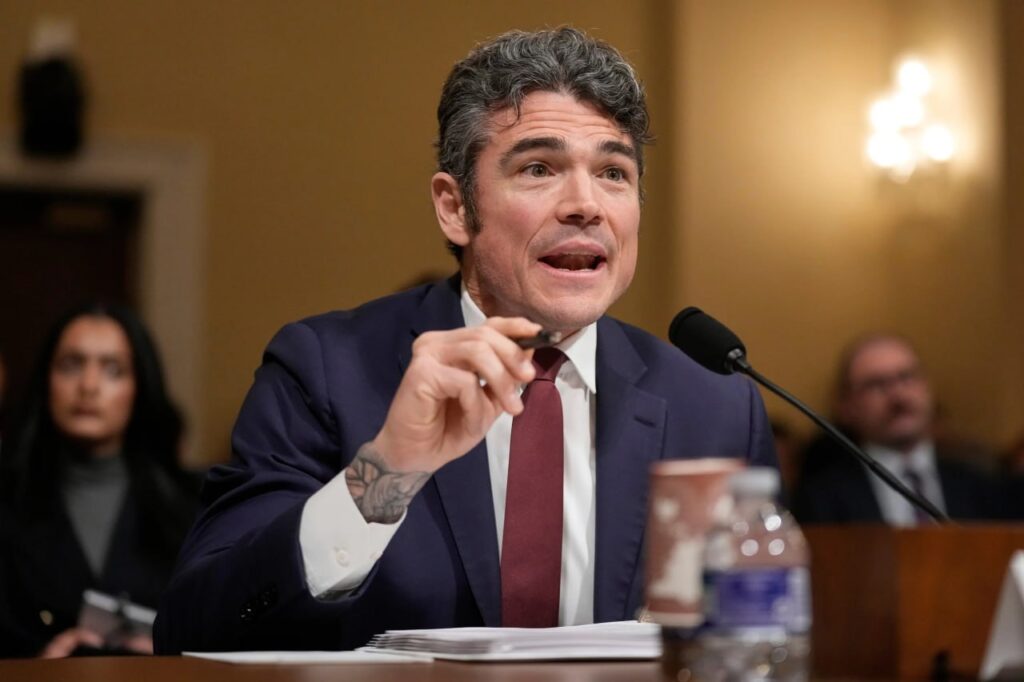
Kent also reminded that he had participated in combat operations 11 times, and his wife, Shannon Kent, was killed in 2019 in a terrorist attack in Syria while fighting against ISIS.
According to him, he cannot support sending a new generation of Americans to war that, in his opinion, does not benefit the American people.
Iran Suffered Heavy Losses, But the Regime Holds Firm
Iran has lost many high-ranking leaders during the month-long war.
Among the dead are the Supreme Leader of the country Ali Khamenei, Defense Minister Aziz Nasirzadeh, commander of the Islamic Revolutionary Guard Corps Mohammad Pakpour, Secretary of the Defense Council Ali Shamkhani, Secretary of the Supreme National Security Council Ali Larijani, Minister of Intelligence Ismail Khattib, and several other high-ranking officials.
Nevertheless, despite the serious losses, the political system of the country remains resilient for now.