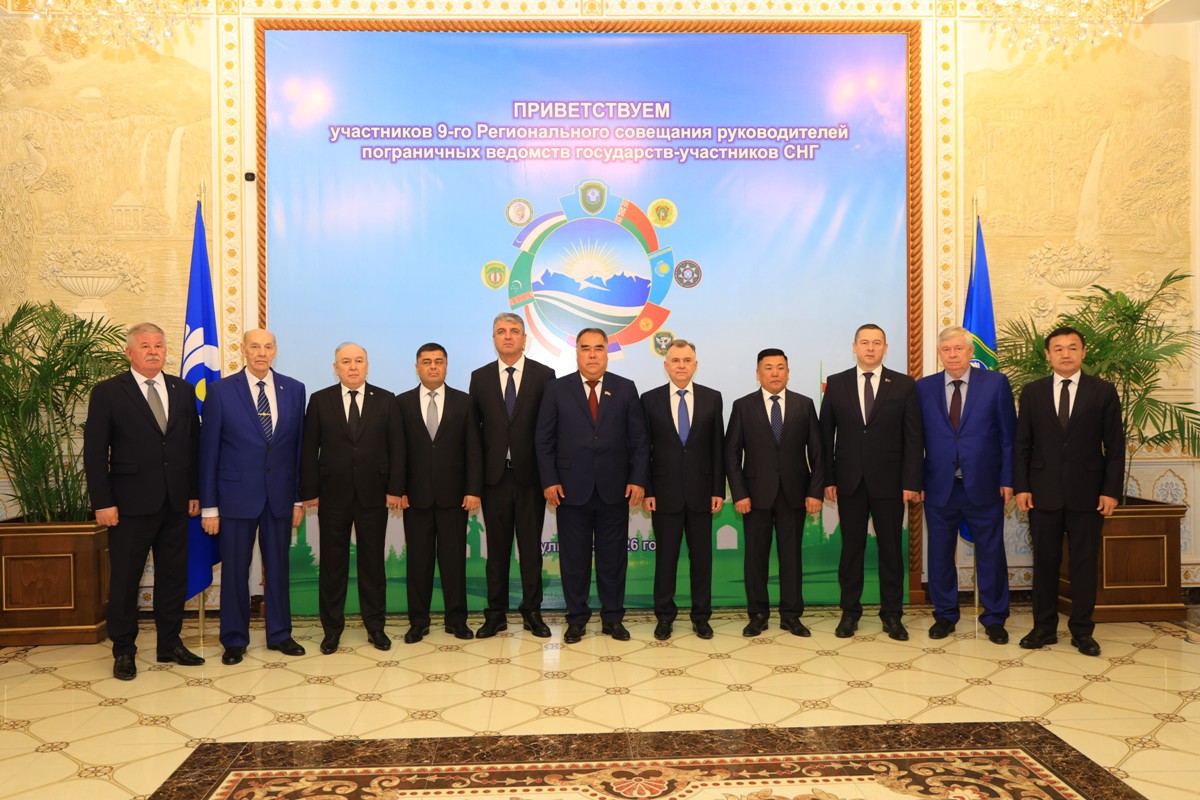
The unstable military-political and economic situation in Afghanistan is expected to have a destructive impact on the state of border security in the Central Asian direction in the medium term. This conclusion was reached by participants of the 9th regional meeting of the heads of border agencies of the CIS member states in the city of Guliston, Sughd Region, Tajikistan.
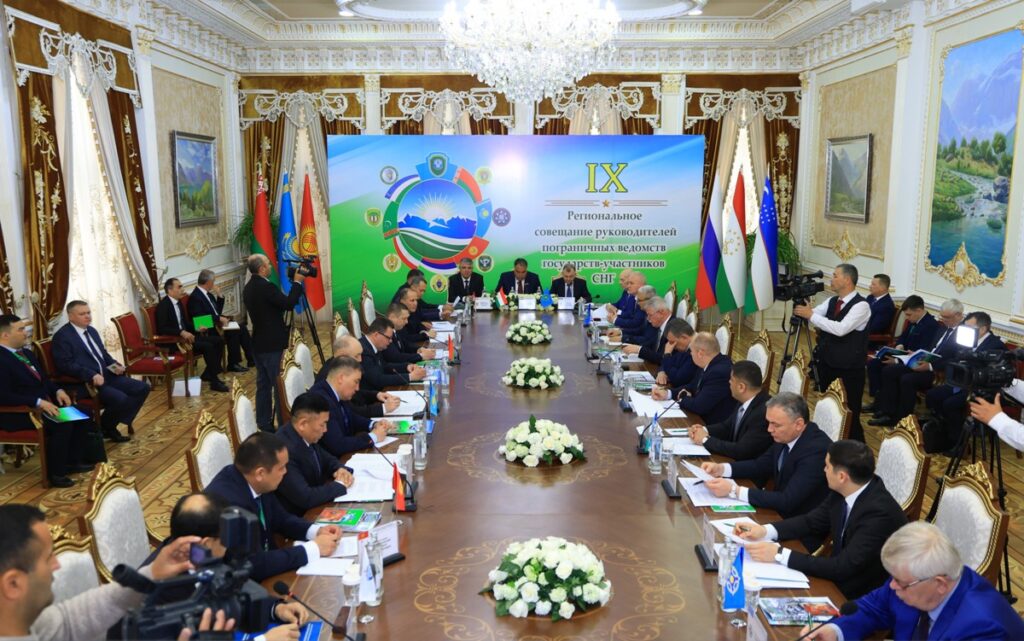
The meeting, held on April 8 with the participation of delegations from the border agencies of Tajikistan, Uzbekistan, Kazakhstan, Kyrgyzstan, Belarus, and Russia, as well as representatives from the CSTO and CIS, emphasized the importance of enhancing cooperation in the field of border security to effectively counter the threats arising from the unstable situation in Afghanistan, reported the CIS Executive Committee.
The participants of the meeting discussed the measures being taken by the border agencies of the CIS member states to counter threats to border security on the external borders of Central Asian countries.
According to the general opinion, the current situation in Afghanistan is expected to have a destructive impact on border security in the medium term, making it important to strengthen cooperation in this area.
Focus on Joint Programs and Experience Sharing
In this regard, the significance of the Cooperation Program of the CIS member states in strengthening border security on external borders for the years 2026–2030 was emphasized. This program is a key mechanism for the practical implementation of the coordinated border policy of the CIS countries.
The participants also emphasized the activation of the participation of border agencies in the Interstate Program of Joint Crime-Fighting Measures for 2024–2028, as well as in the CIS Cooperation Program in the field of countering terrorism and extremism for 2026–2028.
The meeting participants noted the positive experience of including in the agenda of working meetings of border agency specialists, as well as international scientific forums dedicated to exchanging experiences on preventive counteraction to modern border security threats.
As a result of the meeting, a set of practical measures was developed to maintain stability on the external borders of the Commonwealth.
After the meeting, the guest delegations visited an exhibition of folk crafts, national cuisine, and cultural traditions of the Tajik people in the city of Guliston.