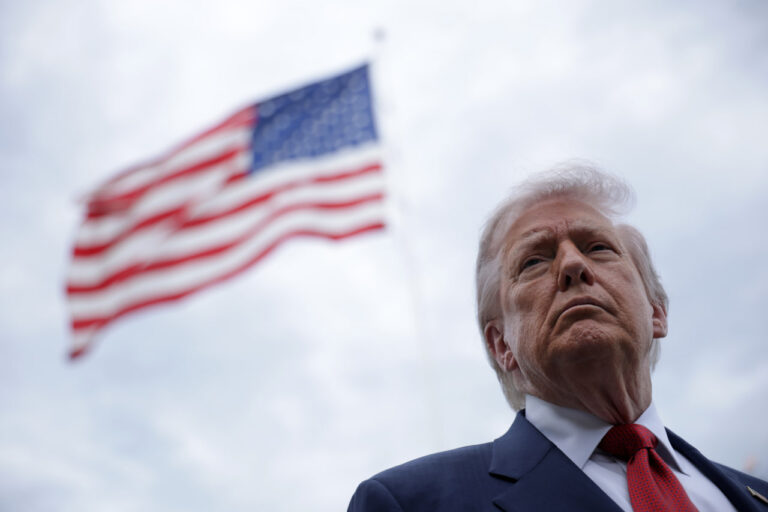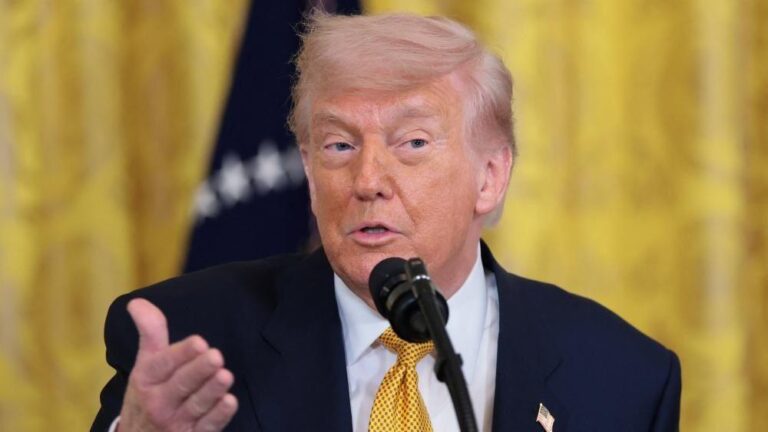
After Donald Trump announced a ceasefire between the US and Iran, the Strait of Hormuz remains effectively closed, and Israeli forces continue to strike Hezbollah positions in southern Lebanon, reports the BBC.
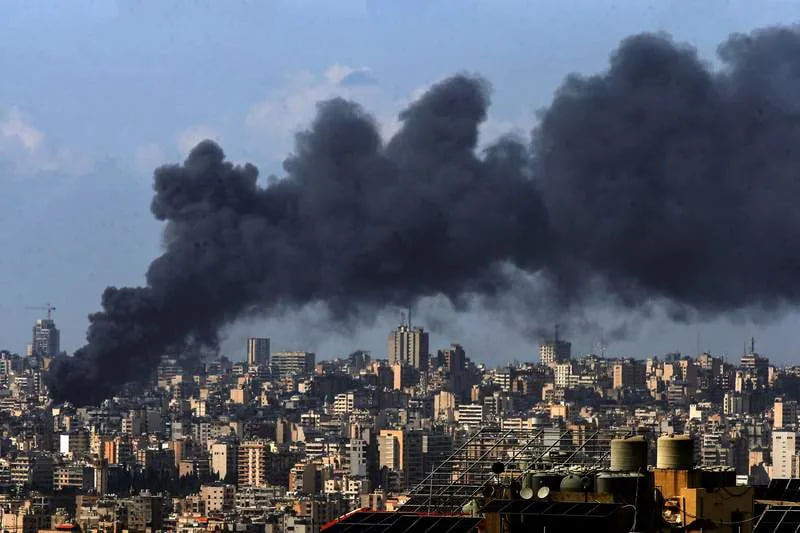
The Israel Defense Forces (IDF) reported that in the latest strikes, more than 100 Hezbollah targets in Beirut and southern Lebanon were attacked, including command centers and military facilities. These strikes were meticulously planned based on accurate intelligence gathered over several weeks.
The IDF noted that the majority of the targeted sites were located in densely populated civilian areas, which, according to the army, confirms that Hezbollah is using civilians as “human shields.”
Lebanon’s Ministry of Health reported that more than 180 people were killed and over 850 injured as a result of the shelling. Residential high-rises and shops were destroyed.
UN High Commissioner for Human Rights Volker Türk stated about the “horrifying” scale of casualties from the Israeli strikes on Lebanon on April 8.
“Such carnage, occurring just hours after agreeing to a ceasefire with Iran, is simply mind-boggling. It places immense pressure on the fragile peace that civilians so desperately need,” he said.
Recall that on the night of April 8, the US and Iran agreed to a two-week ceasefire. However, Israeli Prime Minister Benjamin Netanyahu stated that the ceasefire does not apply to Lebanon.
Iran’s Reaction: Strait of Hormuz Remains Closed
Tehran promised to withdraw from the ceasefire agreement if Israel does not stop bombing Lebanon. In response to Israel’s ongoing strikes on Lebanon, Iran’s Islamic Revolutionary Guard Corps (IRGC) stated that the Strait of Hormuz remains closed. In a statement broadcast by Iran’s state television, it was said:
“We issue a strong warning to the United States, which violates agreements, and their Zionist ally, their executioner: if aggression against beloved Lebanon does not cease immediately, we will fulfill our duty and respond.”
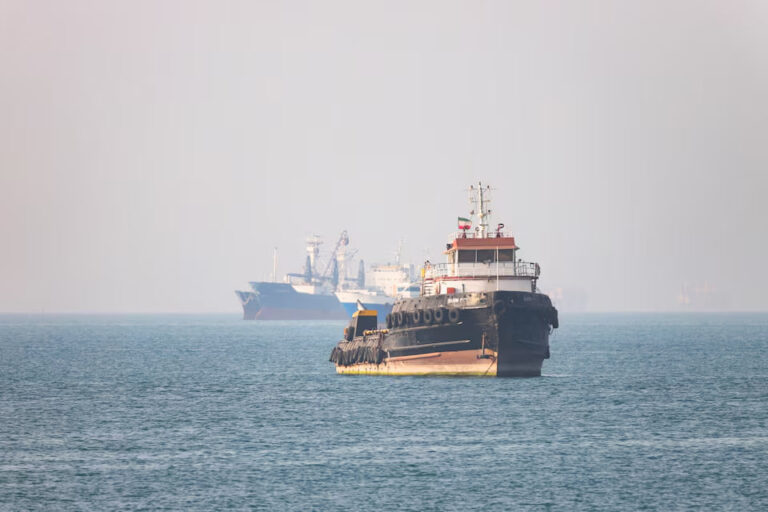
This statement was accompanied by a warning for ships in the Persian Gulf. British shipbroker SSY confirmed that vessels in the region received the following message: “Attention all ships in the Persian Gulf and the Sea of Oman. This is the IRGC Navy station. Passage through the Strait of Hormuz remains closed, and you need permission from the IRGC before passing through the strait. Any vessel attempting to go to sea will be attacked and destroyed.”
One of the most important conditions of the ceasefire between the US and Iran is the opening of the Strait of Hormuz, which is strategically significant for global oil trade. However, Iran continues to keep the strait closed. On April 8, only a few ships were able to pass through the strait. Iranian media reports that movement was halted due to ongoing Israeli attacks on Lebanon.
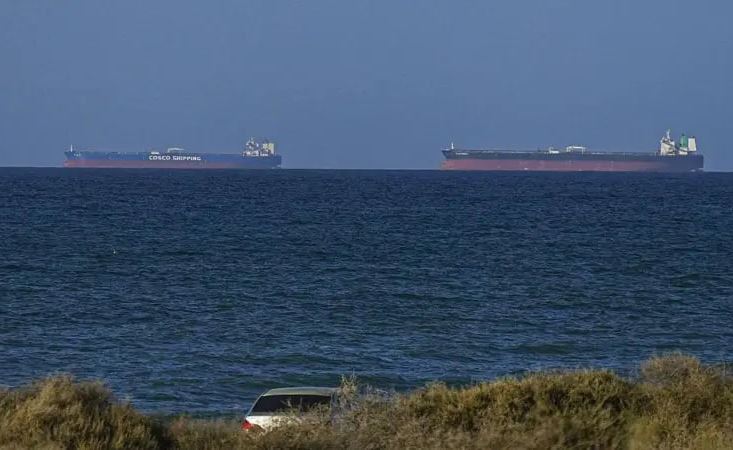
Iran also reported that it might partially open the strait in a controlled manner in the coming days if there is progress in negotiations with the US. As stated by Reuters, a senior Iranian official involved in the negotiations, “if an agreement on the framework of negotiations is reached, the strait may be opened to a limited extent, under Iran’s control.”
US President Donald Trump stated that the US expects Iran to “fully and immediately” open the Strait of Hormuz. This statement was made after Iran confirmed that if Israeli aggression does not cease, Iran would be ready to withdraw from the ceasefire agreement. Trump warned that “if the demands are not met, the consequences will be serious.”
Will Negotiations Take Place?
The US and Israel insist that the ceasefire does not apply to Lebanon, while Iran demands an immediate cessation of strikes on Lebanon, stating that continued attacks render negotiations meaningless.
Speaker of the Iranian Parliament Mohammad-Bagher Ghalibaf wrote on social media X that the US has already violated several points of Iran’s proposal to resolve the conflict, including the invasion of Lebanon, crossing Iran’s air borders, and denying the republic’s right to peaceful uranium enrichment.
“The deep historical distrust we feel towards the United States stems from their repeated violations of all kinds of commitments — a pattern of behavior that has, unfortunately, been repeated once again. Now the very ‘workable basis for negotiations’ has been openly and blatantly violated even before the negotiations began. In such a situation, bilateral ceasefires or negotiations are illogical,” noted the speaker of the Iranian parliament.
Donald Trump, in turn, noted that “there is only one set of significant ‘POINTS’ acceptable to the United States, and we will discuss them behind closed doors.”
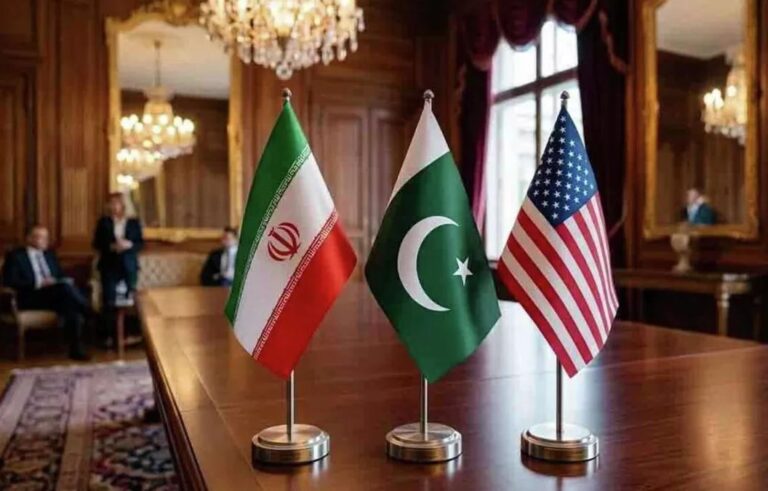
According to the White House, a US delegation led by Vice President J.D. Vance will travel to Pakistan for negotiations with Iran. The talks are expected to begin in the capital of Pakistan, Islamabad, on April 10.