The Dushanbe Water Resilience Project includes the modernization of the intake on the Kofarnihon River (KAF-1), which will enhance the city’s water supply system’s resilience to climate change and improve water quality. The implementation of a SCADA system for real-time water supply monitoring and the creation of green corridors for improved water drainage will help reduce flood risks and lower city temperatures, making Dushanbe more comfortable and safe to live in.
On April 29, 2026, a seminar was held in Dushanbe to present the city’s water resilience project. The seminar was organized with the support of the Asian Development Bank and gathered representatives of government structures, international experts, and specialists from the State Unitary Enterprise “Dushanbevodokanal.”
The main goal of the event was to discuss how the project will improve the city’s water supply system and help adapt it to climate change.
The water resilience project aims to create an efficient water supply system that will operate steadily despite climate changes.
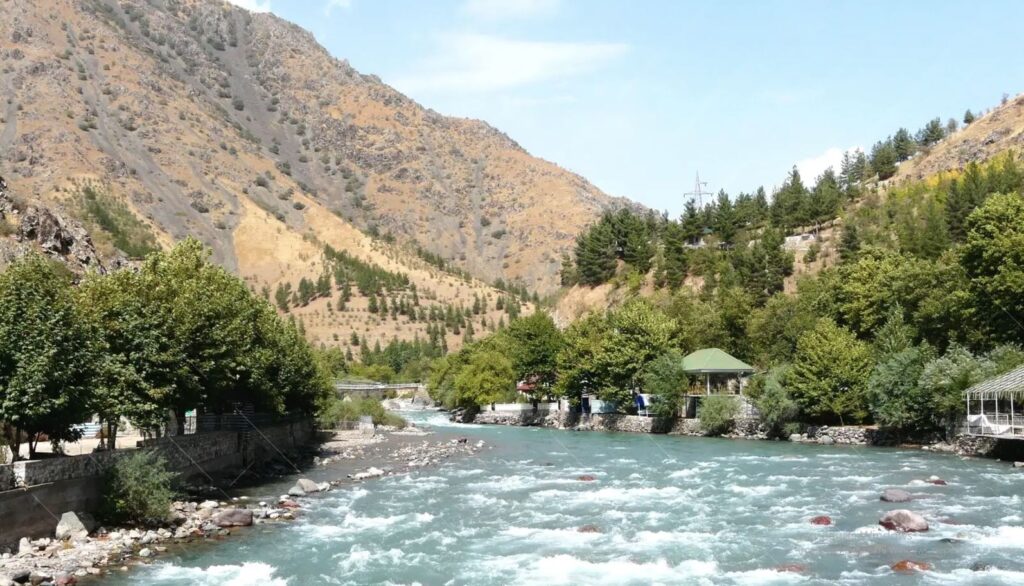
In recent years, the climate in Dushanbe has been changing, significantly impacting the city’s water supply. The project is aimed at minimizing these risks and improving the quality of life for residents.
The project’s total cost exceeds $10 million. It includes work on modernizing water intakes, improving water supply, and introducing new technologies to enhance water resource efficiency.
How the project will improve Dushanbe’s water supply
The project aims to modernize existing water intakes, including the intake on the Kafirnigan River (KAF-1), which is the main source of drinking water for the city. The modernization of the intake will increase its resilience to climate changes, improve water quality, and reduce risks related to contamination.
In addition, measures will be taken to improve the overall water supply system, ensuring stable water supply for residents even during severe droughts or heavy rainfall.
What the implementation of Nature Based Solutions will bring
One of the most important aspects of the project is the use of Nature Based Solutions (NBS). These solutions include creating green corridors, expanding green areas, and restoring rivers, which will help improve ecosystems and reduce environmental risks associated with climate change.
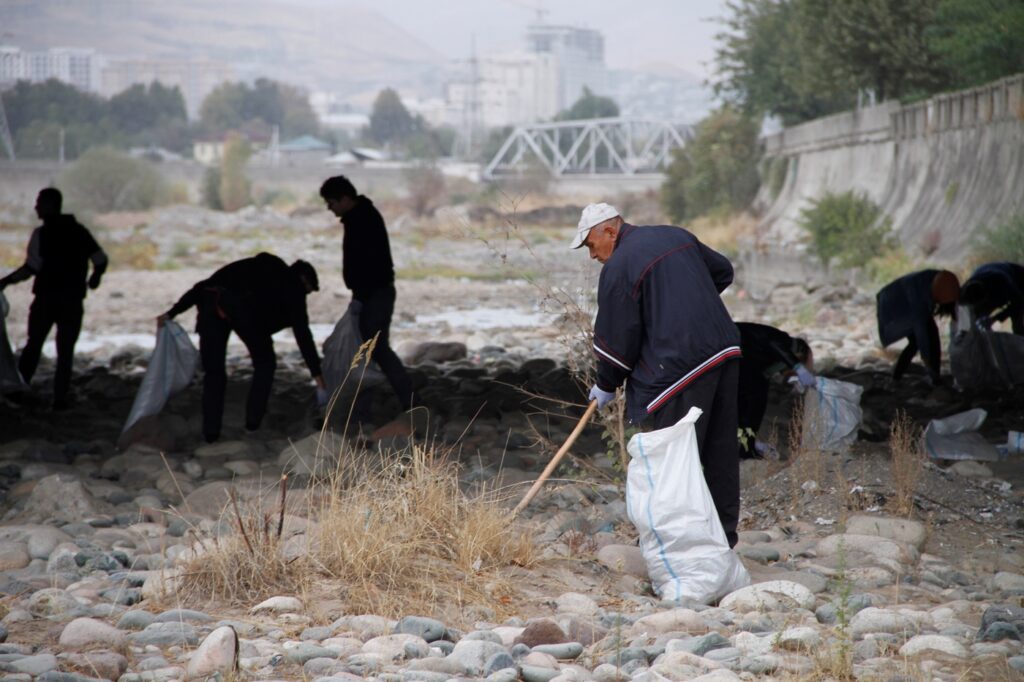
Green corridors and areas contribute to improved water drainage and reduce flood risks that may occur during heavy rains. This is especially important for Dushanbe, where, like in many other cities, there are issues with flooding and river overflow.
The restoration of rivers and water bodies will also positively impact water supply quality and help combat soil erosion, which is crucial for preserving water resources in the long term.
What other measures are included in the project?
Besides modernizing water intakes and implementing Nature Based Solutions, the project includes the introduction of modern technologies for water resource control and management.
One such technology is the SCADA system — an automated water supply management system. It will allow real-time monitoring and control of water delivery, significantly increasing the water supply system’s efficiency and reducing the risks of failures and leaks.
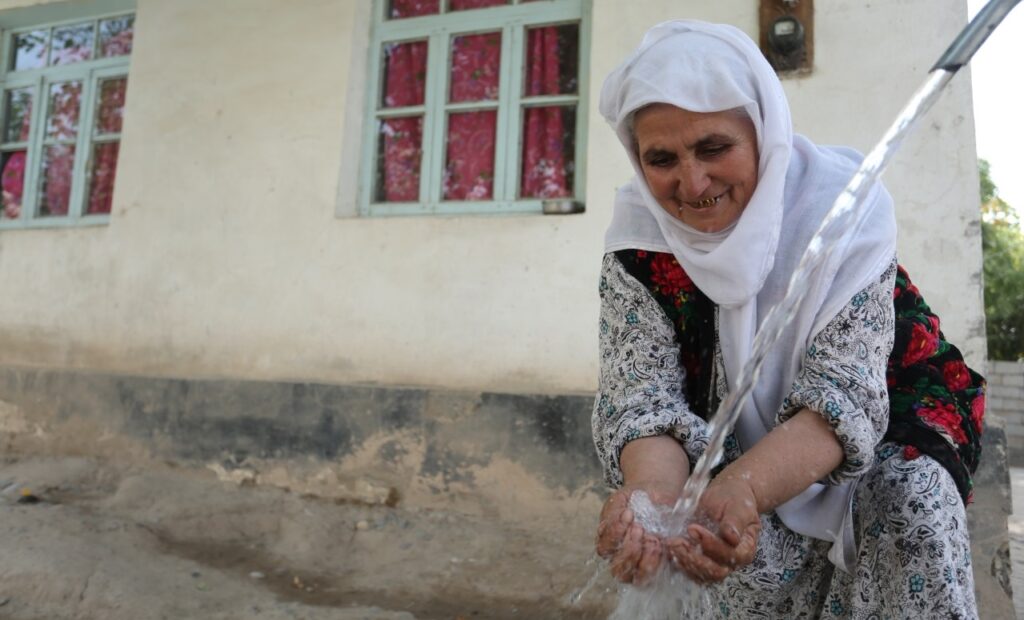
The implementation of the system will enable rapid response to changes in water supply and resolve arising issues.
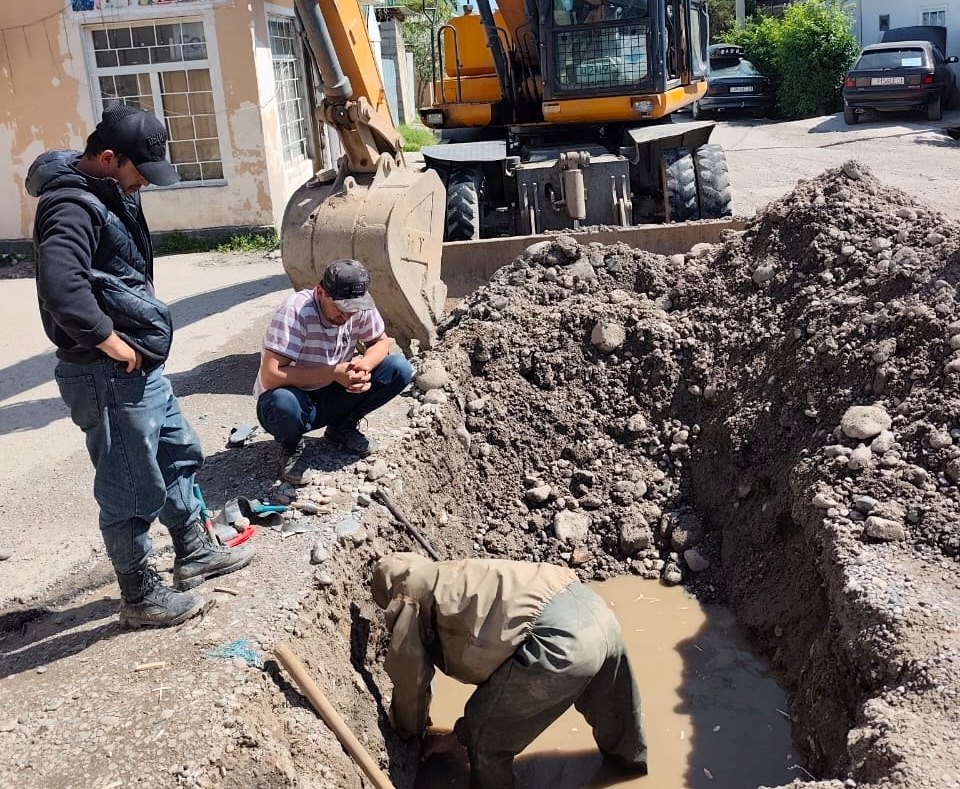
The project also includes pilot projects aimed at reducing water losses. These projects will use new technologies to detect leaks and improve the overall efficiency of water supply.
Benefits for the residents of Dushanbe
The project will bring several key benefits to the residents of Dushanbe.
Firstly, residents can expect a more stable water supply, as the modernization of water intakes and the introduction of new technologies will ensure uninterrupted water delivery, which is especially important in the context of climate change.
Secondly, the improvement of water quality and the implementation of Nature Based Solutions, such as improved water drainage, will help reduce flood and water contamination risks.
Moreover, the creation and expansion of green areas in the city will benefit residents’ health.
The project also aims to improve the city’s ecosystems. Expanding green areas and creating green corridors will lead to increased biodiversity and improved environmental quality, which will also affect the health improvement of the population.
How does the project adapt to future climate changes?
The water resilience project not only addresses current water supply issues but also prepares the city for future climate changes.
It is forecasted that by 2090, the temperature in Tajikistan may rise by 5.5°C, leading to hotter summer periods and changes in precipitation patterns. In this context, the project provides for the development of adaptation strategies to prepare for these changes.
For this purpose, a water supply resilience master plan will be developed, considering climate changes such as temperature increases and intense precipitation. The adaptation strategy will include water resource management methods that will allow effective water use even in conditions of scarcity.