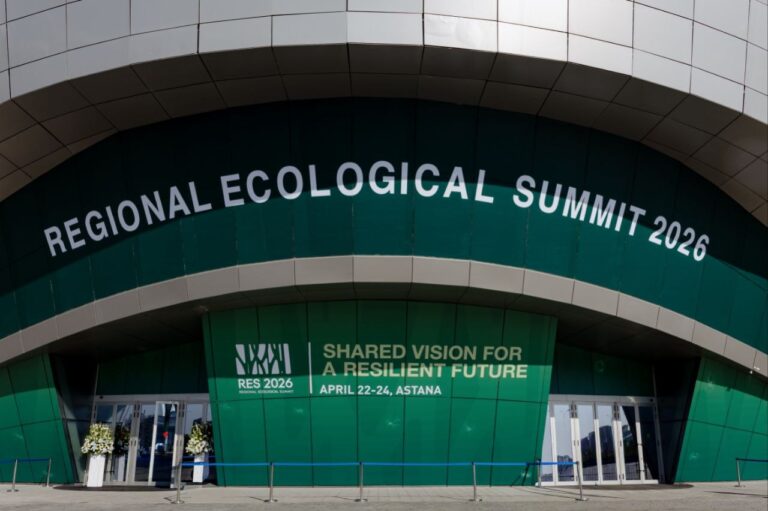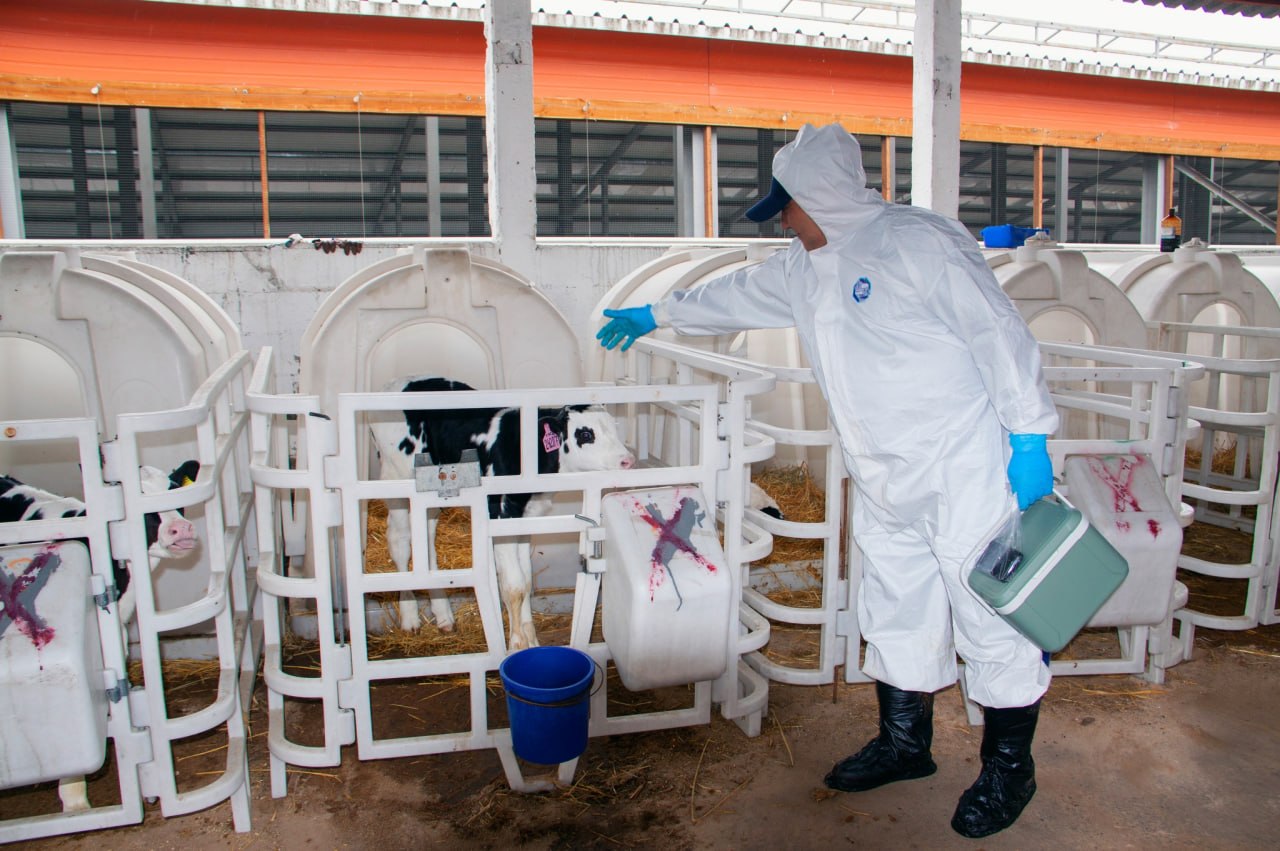
Dangerous animal diseases threaten food security, trade, and livestock in Central Asia’s countries. Foot-and-mouth disease serotype SAT1 has reportedly been confirmed in the region. This was discussed on May 12 at an event within the framework of the 35th session of the FAO Regional Conference for Europe (ERC35) in Dushanbe.
Which diseases are causing concern?
The conference materials state that transboundary animal diseases pose a risk to all of Europe and Central Asia.
According to data for 2024–2025, outbreaks of several dangerous animal diseases have been recorded in Europe and Central Asia.
African swine fever has been confirmed in 20 countries, including Albania, Bulgaria, Bosnia and Herzegovina, Hungary, Germany, Greece, Spain, Italy, Latvia, Poland, the Republic of Moldova, the Russian Federation, Romania, North Macedonia, Serbia, Ukraine, Croatia, Montenegro, the Czech Republic, and Estonia.
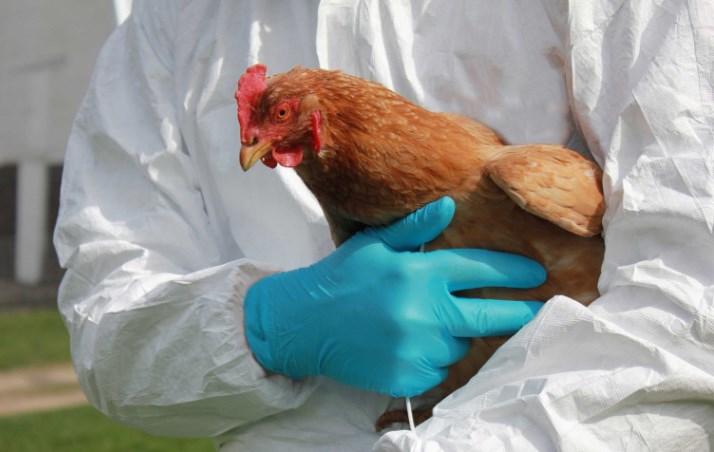
Highly pathogenic avian influenza has been detected in 42 countries in the region.
The document separately mentions foot-and-mouth disease. Serotype O has been confirmed in Germany, Hungary, Israel, and Slovakia. Serotype SAT1 — in Azerbaijan, Turkiye, and Central Asia. Serotype A — in Turkiye.
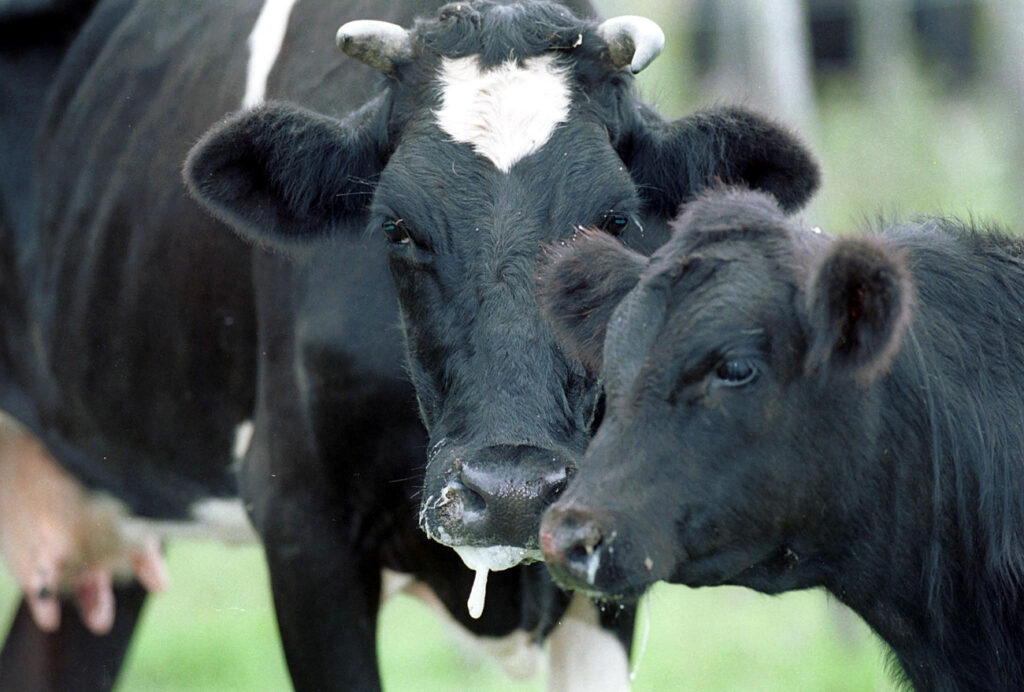
Such diseases spread rapidly across borders and affect not only the veterinary sector. They impact trade, agriculture, human health, the environment, and food security. Therefore, FAO emphasizes the importance of the “One Health” approach.
What does “One Health” mean?
The “One Health” approach is based on a simple idea: the health of people, animals, plants, and the environment is interconnected.
This means that such threats cannot be tackled by one service alone. Joint efforts of veterinary, medical, environmental, and food structures are needed.
For Tajikistan, this can help strengthen early disease detection, improve data sharing between agencies, and respond more quickly to potential outbreaks. This is especially important for agriculture, livestock, and food security systems.
One of the important directions is the multi-country Pandemic Fund project on the “One Health” approach in Central Asia.
It covers five countries: Kazakhstan, Kyrgyzstan, Tajikistan, Turkmenistan, and Uzbekistan. The total approved grant amount is over $27.16 million. The project also provides for $560.67 million in co-financing and about $30.3 million in co-investments.
The project is implemented with the participation of FAO, WHO, and the World Bank. It is aimed at strengthening surveillance systems, laboratories, human resource capacity, and regional coordination.
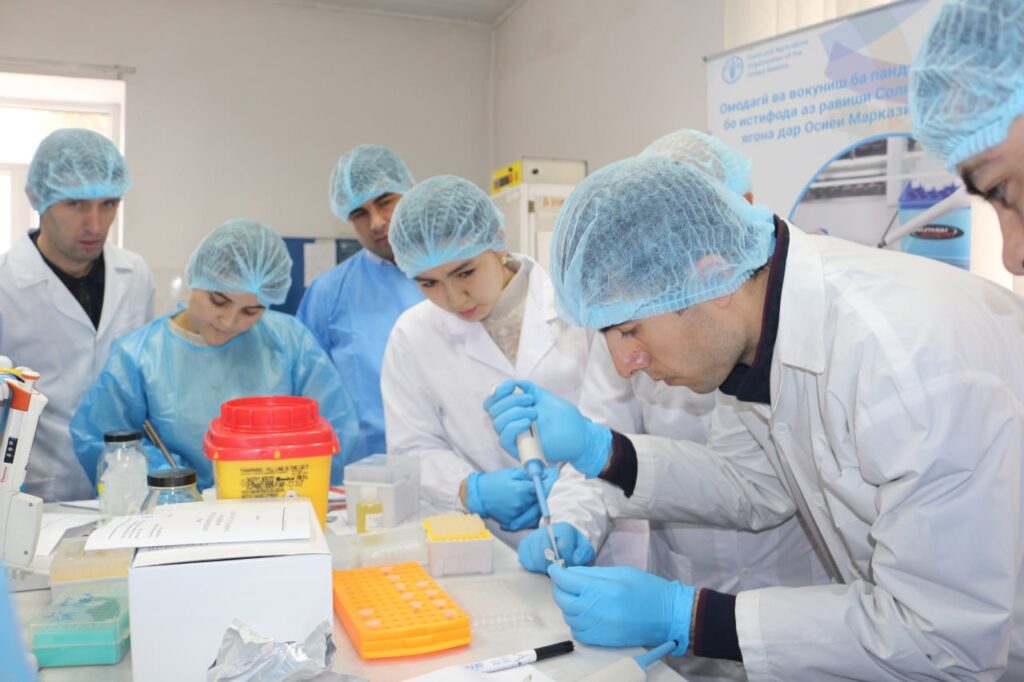
At the same time, the World Bank separately reports on the first phase of the regional “One Health” program in Central Asia. In this phase, a $30 million concessional loan for Kyrgyzstan and a $30 million grant for Tajikistan have been approved. Additionally, each of the two countries will receive $1.79 million from the Pandemic Fund.
The World Bank also reports that this is the beginning of a $130 million regional program. It is planned for 2025–2032 and aims to cover Kazakhstan, Kyrgyzstan, Tajikistan, Turkmenistan, and Uzbekistan.
Three issues affecting the region
The FAO document highlights three main issues.
The first issue is that the “One Health” approach has not been fully implemented. This means that interaction between healthcare, veterinary, ecology, and food security remains insufficiently systematic.
The second is that transboundary animal diseases remain a serious risk. They are dangerous both for countries where such diseases do not exist and for countries where they are already widespread.
The third is the lack of personnel, funding, modern technologies, and political attention. The document states that limited resources reduce the countries’ abilities for prevention, early detection, and rapid response to outbreaks.
What does FAO propose?
The draft resolution of the FAO Regional Conference presents three recommendations.
The first is to strengthen governance within the “One Health” approach. It is proposed to create official platforms for multi-sectoral coordination at national and regional levels.
The second is to recognize the growing threat of transboundary animal diseases. They are proposed to be considered not only as a veterinary problem. It is also a threat to food security, trade, rural incomes, aquaculture, and ecological sustainability.
The third is to support the Global Partnership Program for Combating Transboundary Animal Diseases. It was proposed by FAO following the 179th session of the FAO Council, which took place from December 1–5, 2025.
FAO emphasizes that strengthening the “One Health” approach, modernizing veterinary services, developing digital surveillance systems, and cross-sectoral coordination will help countries in Europe and Central Asia better withstand transboundary animal diseases and reduce economic losses.