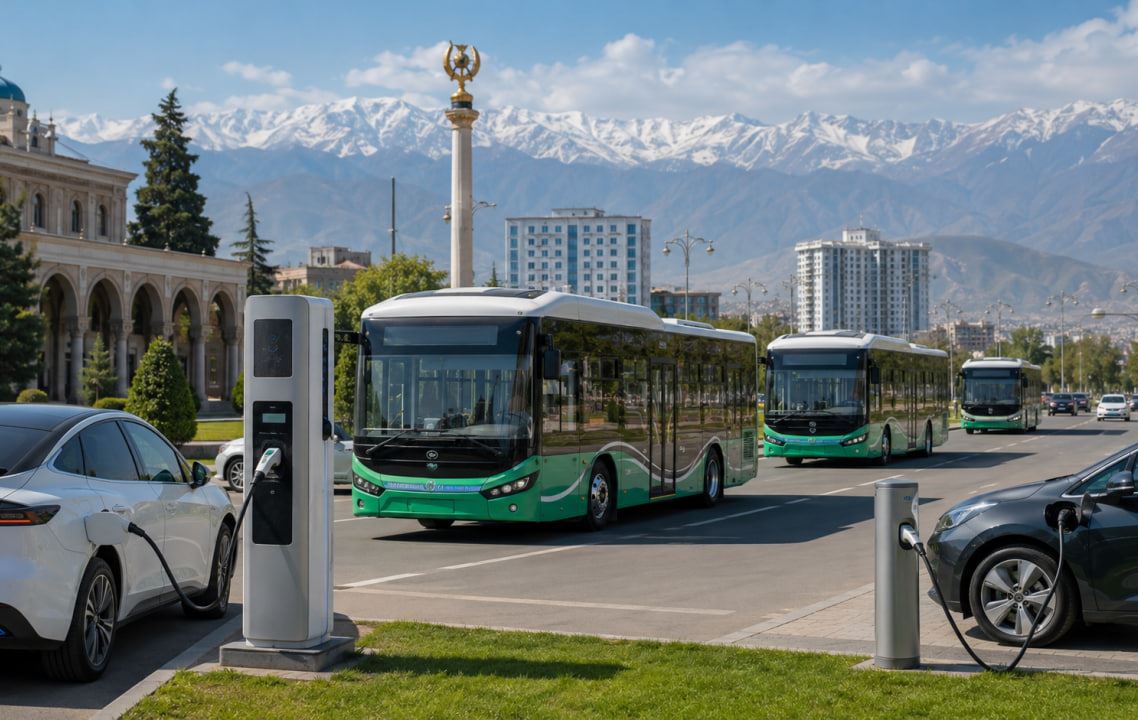
The Government of Tajikistan has approved the Plan of Actions for the Electric Transport Development Program in the Republic of Tajikistan for 2023-2028. The corresponding resolution was signed on April 28, 2026. This is the second phase of the Program, which provides for a plan of activities for 2026-2028.
According to the annex to the resolution, the plan includes 9 main points, grouped into four directions. Considering the individual sub-points, it involves approximately 15 specific activities. The total cost of implementing the plan amounts to 888.048 million somoni (about $95 million). Of this amount, 105.988 million somoni is planned to be attracted from development partners, and 782 million 60 thousand somoni will come from the private sector. Funds from the state budget are not separately specified in the final financial table.
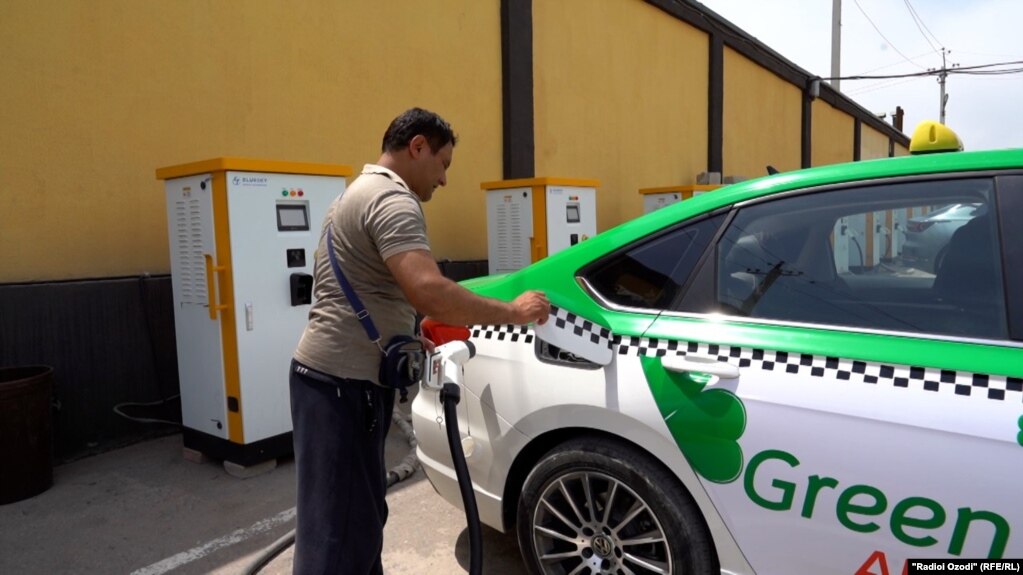
The main activities concern creating conditions for investment, developing the regulatory and technical framework, developing charging and service infrastructure, organizing the collection and processing of used batteries, and expanding the fleet of electric buses.
Additionally, the authorities intend to create specialized service stations for electric vehicles. Currently, according to the plan, two BYD Service electric vehicle service stations operate in Dushanbe. The second phase of the program is expected to open 10 more such stations.
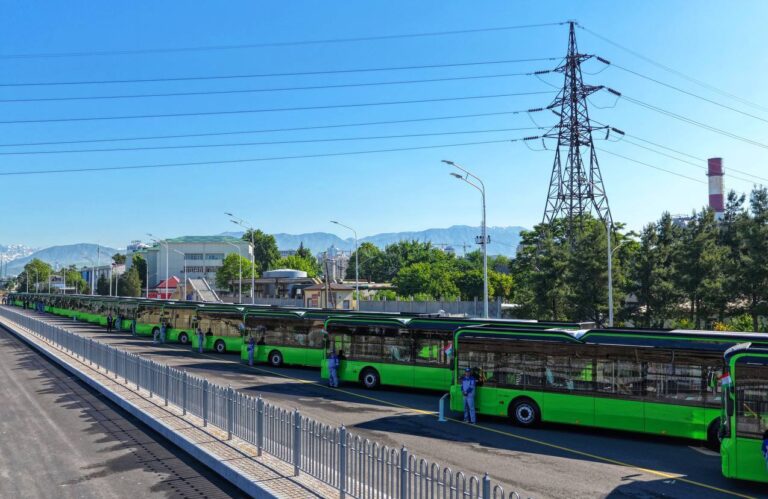
The largest expenditure is the preparation and launch of 210 modern electric buses, with 70 units annually in 2026, 2027, and 2028. For this, 714.28 million somoni are allocated. Currently, as noted in the document, 60 modern AKIA ULTRA electric buses are operating in Dushanbe.
A separate section of the plan is dedicated to battery packs. The authorities plan to develop infrastructure for collecting used batteries, allocate land for relevant facilities in the regions, and develop technologies for deactivating batteries and their reuse.
The Ministry of Transport, the Ministry of Energy and Water Resources, the Ministry of Industry and New Technologies, the Ministry of Economic Development and Trade, the Ministry of Internal Affairs, the Committee for Environmental Protection, the National Academy of Sciences, local executive authorities, and energy companies are appointed responsible for the implementation of the plan.
Ministries and departments must annually submit information on the progress of the plan’s implementation to the Ministry of Transport by January 15. In turn, the Ministry of Transport will report to the government on the progress of activities annually by February 15.