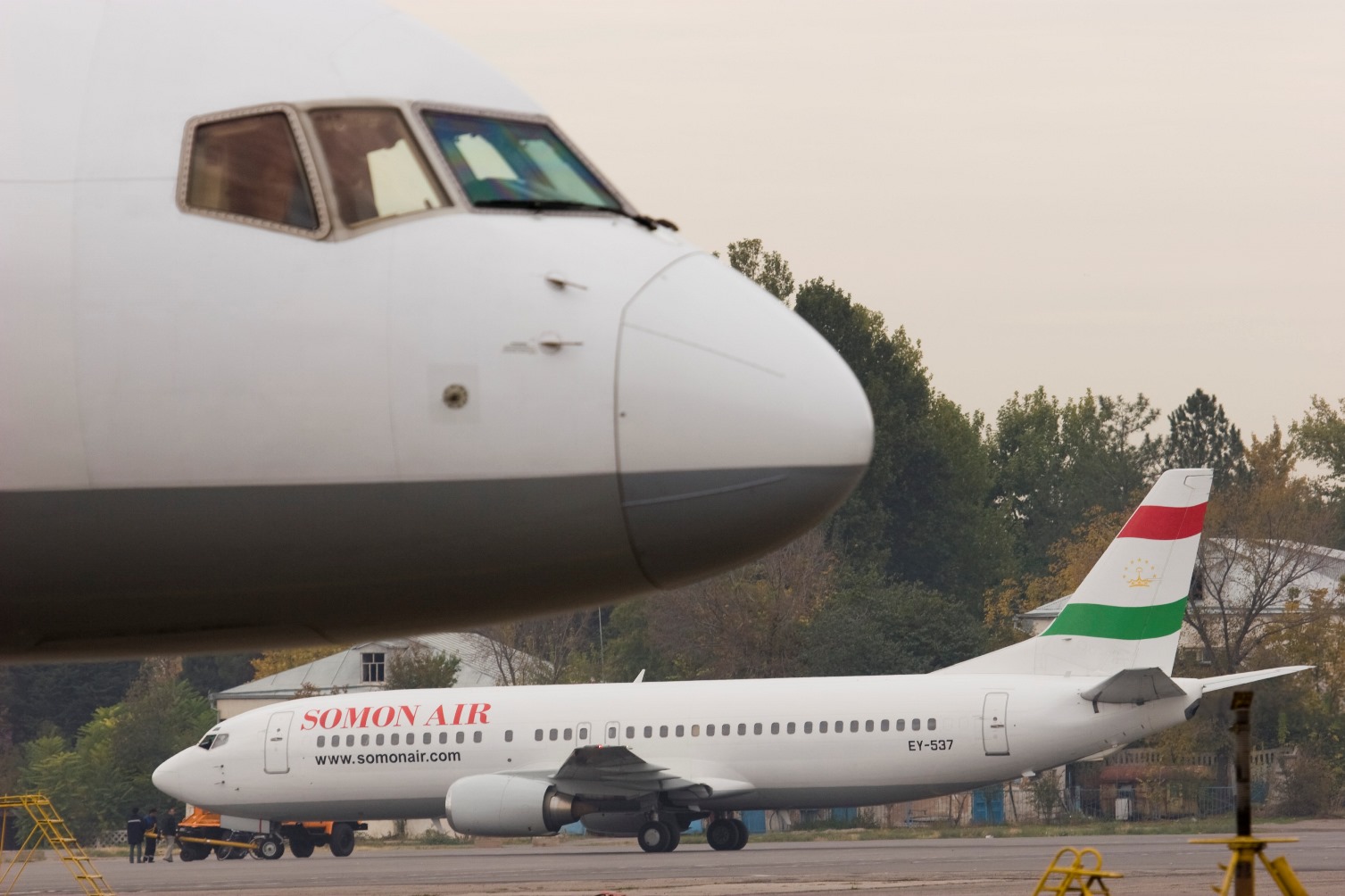
Russia has temporarily banned exports of aviation kerosene until November 30, 2026, raising questions about the potential impact on countries that rely on Russian fuel supplies, including Tajikistan.
The Ministry of Energy and Water Resources of Tajikistan says the country currently has sufficient aviation fuel reserves and does not expect immediate disruptions. However, officials are preparing talks with Moscow on future supplies and are exploring alternative options, including cooperation with Iran.
What is Russia’s new restriction?
The Russian government’s decree banning aviation fuel exports came into force on June 1. According to Russian authorities, the measure is intended to ensure stability in the domestic fuel market.
The restriction applies to jet fuel, including fuel purchased through exchange trading. However, several exemptions remain in place, including fuel contained in aircraft tanks during transit flights, consignments that had already completed customs procedures before the ban took effect, and supplies made under intergovernmental agreements.
This is the first time Russia has imposed a ban on aviation fuel exports. Since 2023, Moscow has repeatedly restricted exports of gasoline and diesel fuel in an effort to stabilize domestic prices and prevent shortages.
Russia also introduced a temporary ban on gasoline exports from April 1 to July 31 to meet seasonal demand during the agricultural season. Rising global oil prices amid escalating tensions in the Middle East have further increased pressure on the domestic fuel market.
How important is the Tajik market?
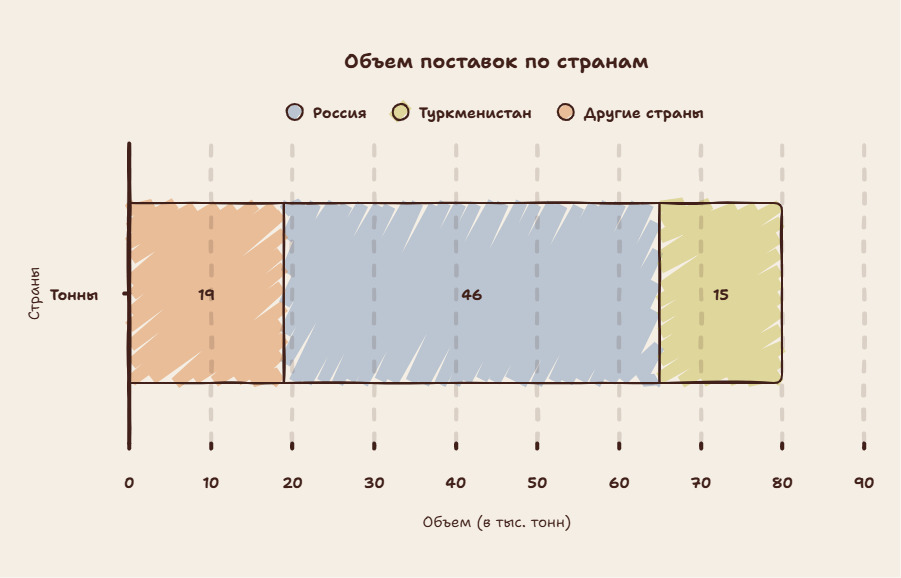
Tajikistan accounts for only a small share of Russia’s oil products exports.
Based on fuel deliveries to Tajikistan exceeding 1.2 million tons and Russia’s total oil products exports of approximately 114 million tons in 2025, the Tajik market represents about 1% of Russian exports.
Aviation kerosene is classified globally as a medium-distillate petroleum product, and Russia remains one of the world’s major suppliers of oil products.
Tajikistan says reserves are sufficient
The Ministry of Energy and Water Resources says fuel supply issues remain under constant monitoring.
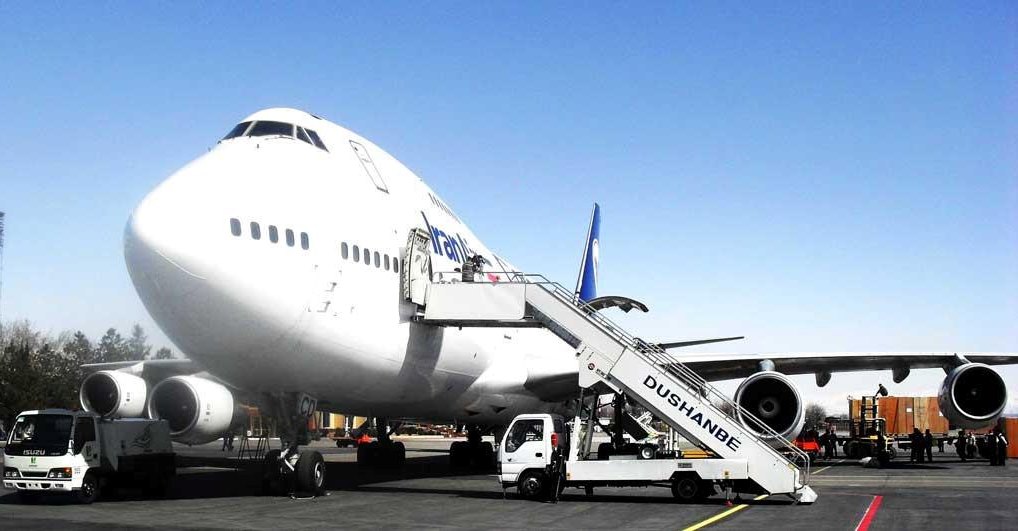
According to the ministry, Tajikistan currently has approximately 60,000 tons of aviation fuel in reserve. Officials believe these stocks should be sufficient to meet domestic demand until the Russian export ban expires at the end of November.
Nevertheless, the government is taking precautionary measures. A delegation from the Ministry of Energy and Water Resources is expected to travel to Russia in the coming days, where fuel and lubricants supplies, including aviation fuel, will be among the key topics of discussion.
Looking for alternative suppliers
Amid uncertainty over future supplies, Tajikistan is also exploring alternative sources of fuel.
Earlier, officials discussed cooperation with Iran in the oil and gas sector, including the possible supply of crude oil for Tajikistan’s refining industry.
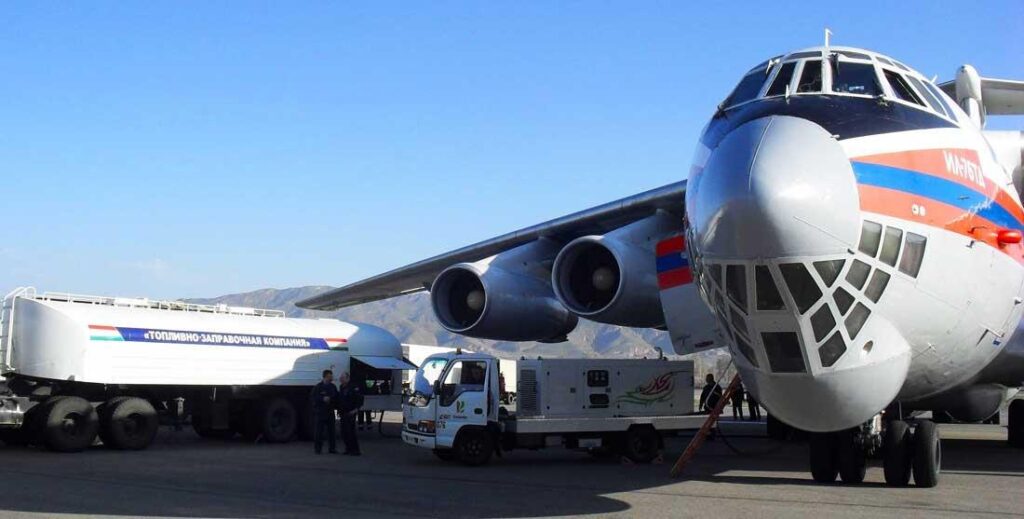
These discussions are linked to plans for an oil refinery project in the Danghara Free Economic Zone (FEZ Danghara). However, no official information has been released regarding potential supply volumes from Iran or whether aviation fuel could eventually be produced at the facility.
For now, authorities insist that existing fuel reserves are sufficient, but the outcome of upcoming negotiations with Russia and the development of alternative supply routes may determine Tajikistan’s longer-term energy security strategy.