
Tajikistan’s lawmakers have approved a document according to which migrants will now be sent to work in Russia in organized groups. Additionally, they will be able to complete part of the mandatory procedures here in their homeland before departure.
These amendments were made to the government-to-government agreement between Tajikistan and Russia on the organized recruitment of Tajik citizens for work in Russia” and were approved by the Tajik lawmakers on April 8.
What is the purpose of these changes?
People will be sent to work in Russia in organized groups through state structures. This means not just “finding a job on your own and going,” but through an official mechanism. In Tajikistan, the Ministry of Labor, Migration, and Employment of the Population (MoLMEP) will handle this: it will be able to send citizens to Russia in an organized manner, under a specific scheme.
Previously, many migrants often acted independently: they looked for intermediaries, employers, or simply went to Russia and tried to find work there. Now the government wants to take on more coordination and make this process more centralized.
However, this does not mean that the only way to work in Russia is through a MoLMEP. The discussion is specifically about organized recruitment as a separate mechanism, without banning any other ways of going to work.
What will this targeted recruitment look like?
The organized recruitment procedure stipulates that the employer conducts an interview in advance with the potential employee from abroad, provides them with social guarantees according to the employment contract, and the employee agrees to comply with the working conditions and laws of the host country.
Thus, the system becomes more transparent and organized: the employer can select suitable candidates in advance, and the migrants themselves can prepare for relocation and future work. This should reduce the risks of illegal employment and facilitate adaptation in the new place.

What other changes have occurred?
The organized recruitment through the MoLMEP will also be facilitated by the fact that part of the mandatory procedures (such as fingerprinting, medical examination, language proficiency test) will now be conducted at home, before leaving for Russia. This means that a person can be checked and prepared for departure in advance.
For the labor migrants themselves, this could mean a clearer and more predictable scheme for leaving. If earlier many went almost blindly, dealing with documents, exams, and medical examinations on-site, now part of these issues can be resolved in advance — in Tajikistan.
In this case, after entering the territory of Russia, it remains only to obtain a work permit (patent) and start working.
This is especially important for those who are going to work in Russia for the first time. When part of the formalities is completed at home, there is less risk of encountering refusals, fines, or other problems after entry. At least, that’s how it should work in theory.
The cost of a medical examination for obtaining a patent in Tajikistan is already known. According to Salomuddin Yusufi, the First Deputy Minister of Health and Social Protection of the Population, the procedure will cost 240 somoni in state medical institutions and 300 in private ones.
What do the Tajik authorities think about this?
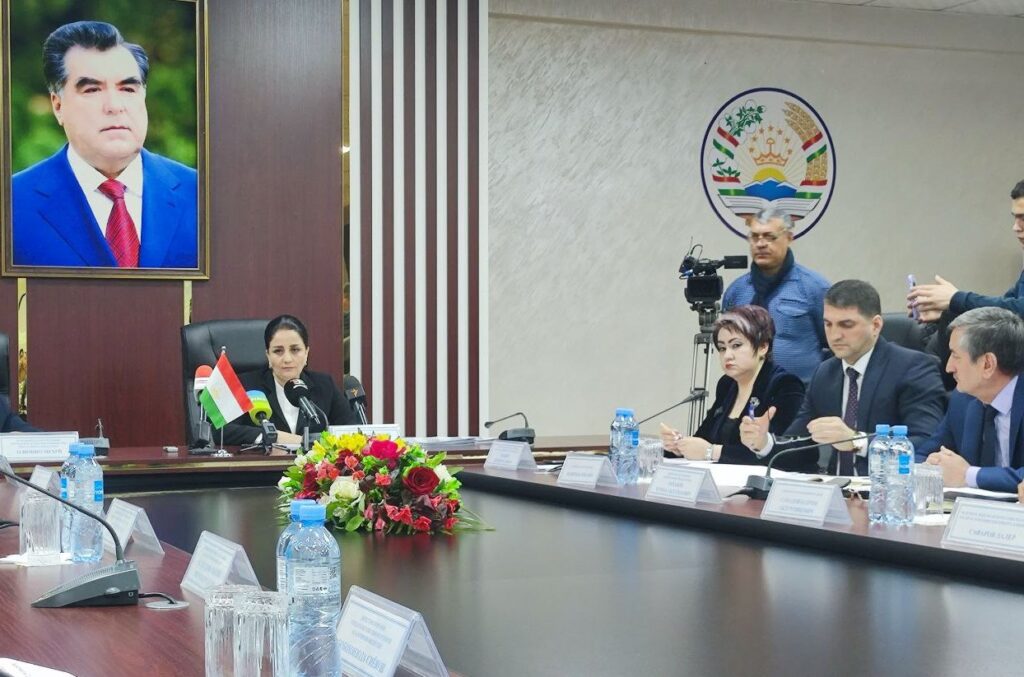
The Minister of Labor, Migration, and Employment of the Population, Ms. Soleha Kholmahmadzoda, stated that the aim of the innovations is to protect the interests of Tajik migrants.
“The protocol allows citizens to complete most necessary procedures, such as obtaining a medical certificate, fingerprinting, passing a test on knowledge of the Russian language, history, and legislation, before leaving — within the country,” she noted in her speech to lawmakers April 8.
Are there any drawbacks?
Yes, and they should also be mentioned. Organized recruitment of migrants will allow authorities to better control the process on one hand. But on the other hand, it may lead to a shortage of labor.
The small business sector is most concerned about this. According to RBC, experts believe that one of the downsides of organized recruitment is that small companies cannot participate in this system — it will be difficult for them to work under such a scheme because it requires extra money, documents, and strict rules. To hire a migrant through organized recruitment, an employer needs to get into a special registry in advance, create an identification card, and regularly renew their account. All this is paid — for both the employer and the worker.
For a large company, such expenses and paperwork are usually manageable, but for small businesses, it is a noticeable burden. Especially since small companies, individual entrepreneurs, and private clients often have fluctuating needs for workers: today a person is needed, tomorrow not, or they are needed for a different job. In the organized recruitment system, a migrant is essentially tied to a specific employer and specific employment conditions, making it difficult to quickly adapt.
Therefore, for small businesses, this model may become impractical, and as a result, they may face a shortage of workers.
Moreover, organized recruitment might also cause distrust among the migrants themselves.
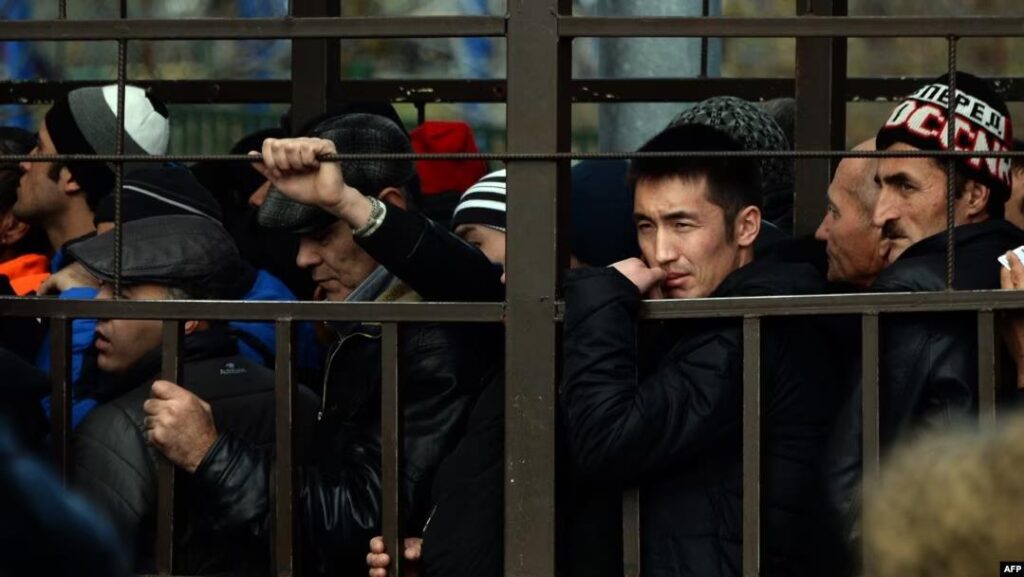
For example, they might prefer informal employment channels due to distrust of strict bureaucratic procedures and fears of dependence on the employer.
In the end, any centralized system is not only about order but also additional bureaucracy. Whether this will benefit Tajik migrants or instead cause additional headaches depends on the successful implementation of this solution.