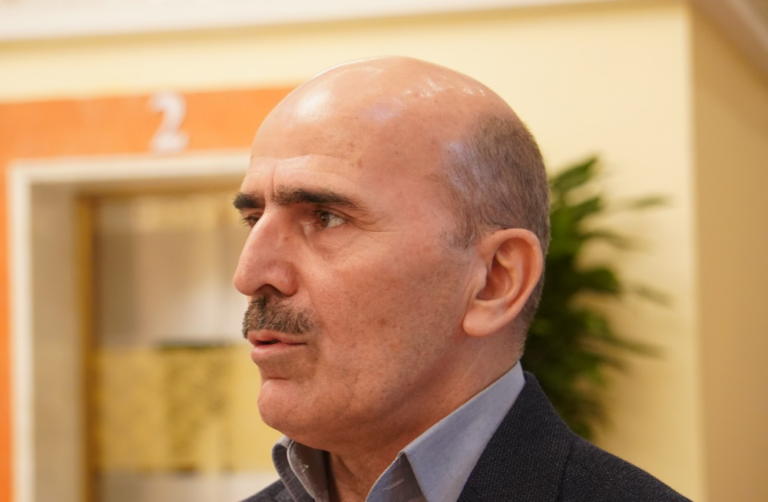




Tatars are the largest ethnic minority in Russia and the CIS countries. Many of them ended up in Tajikistan involuntarily. In 1944, most Crimean Tatars were forcibly relocated here from the Crimean Peninsula. The forced resettlement occurred after the Soviet government accused them of collaborating with the Nazis. According to the memories of some Crimeans, many had to endure physical and moral hardships here.
However, despite the difficult adaptation, Tajikistan later became a true homeland for the Tatar people.
The second eviction of Tatars from settled areas was facilitated by the civil war that broke out in Tajikistan after the collapse of the USSR. Many returned to their native lands – Crimea, Tatarstan, Bashkortostan.
Today we will tell you about how the Tatars who remained in Tajikistan live and strive to preserve their cultural traditions.
Connecting Threads
Zainab Daerbekova has lived in Istaravshan (formerly Ura-Tyube) her entire life with her friendly family. She is from the Kazan Tatars. Those in Tajikistan were not deported; their relocation was linked to many historical factors. During the Soviet period, their migration was caused by the famine of 1921.
Zainab’s mother came to Tajikistan to her sister from the Penza region and, after marrying here, stayed.
“My relationship with my father did not work out, and my mother raised me alone,” Zainab recounts. “In my childhood, I visited my grandmother and grandfather in my mother’s homeland several times. That’s where I learned the Tatar language, which I have not forgotten to this day. Before she died, my mother told me: ‘My daughter, you are my only one. When I die, you should at least say one prayer for me. No one else will do this for me.’ Since then, for the past 20 years, on certain days of the week, I pray for my relatives and loved ones.”
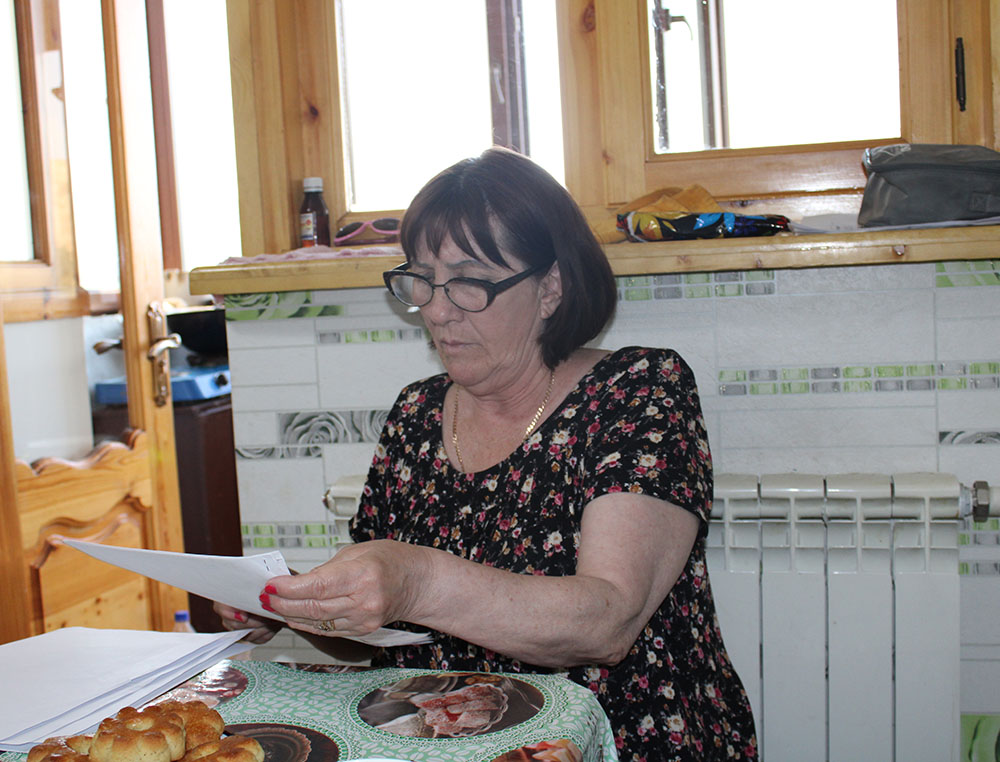
Zainab is well-known and respected in the city, as she has united all the Tatars living here. She is the chairwoman of the Tatar community “Duslyk.”
The woman recalls that in the very first year of the community’s establishment, the president Emomali Rahmon visited their city.
“We participated in a crafts exhibition, preparing a table with national dishes,” Zainab recounts. “And then the president approached us, greeted us, and asked about our lives. Seeing chak-chak on the table, he unexpectedly asked for permission to take it with him. Of course, we could not refuse his request, and we were flattered by his attention.”
Every year, “Duslyk” celebrates the folk holiday Sabantuy, which has always been and remains a strong connecting thread for Tatars with numerous fellow tribesmen and their common historical homeland.
Zainab explains that this “plow holiday” embodies the best qualities of the Tatar people: hard work, endurance, ingenuity, neighborliness, and hospitality.
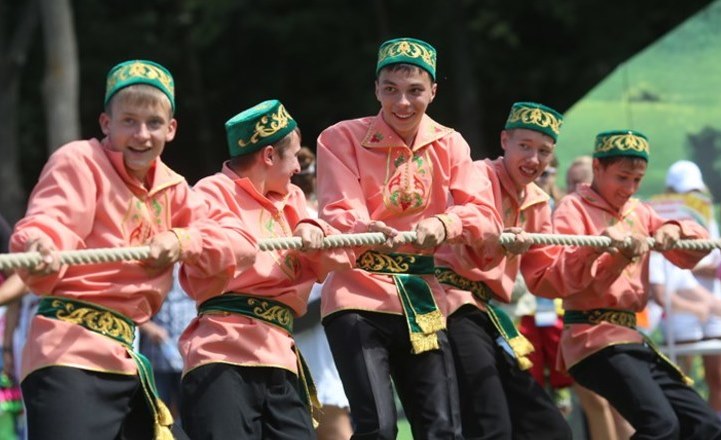
By the way, in 2002, Sabantuy was included in UNESCO’s list of intangible cultural heritage.
“We are happy here, no matter what anyone says”
Today, about 200 Tatars remain in Istaravshan, and Zainab knows them all by name. Periodic updates of the list are only half the battle. The main thing is real help to fellow countrymen.
“When Tatars die, we all help organize the funerals together. From our community, 5-6 women gather and sew clothes for the deceased by hand, assist in the washing process,” Zainab explains. “The whole process is overseen by the so-called Abike ebi. These Tatar grandmothers are renowned for their spiritual knowledge, singing prayers, and reading the Quran. Unfortunately, there are fewer and fewer of these grandmothers. The last one in our city was Daniya-apa.”
Another good tradition among the Istaravshan Tatars is to periodically gather in large groups. Just for our visit, Zainab and her friends were busy in the kitchen from the morning. By the time we arrived, the table was already set with national sweets such as chak-chak, kurabie, khvorost, baursak, and on the stove, the Tatar soup tokmach with homemade noodles and chicken was emitting a delicious aroma.
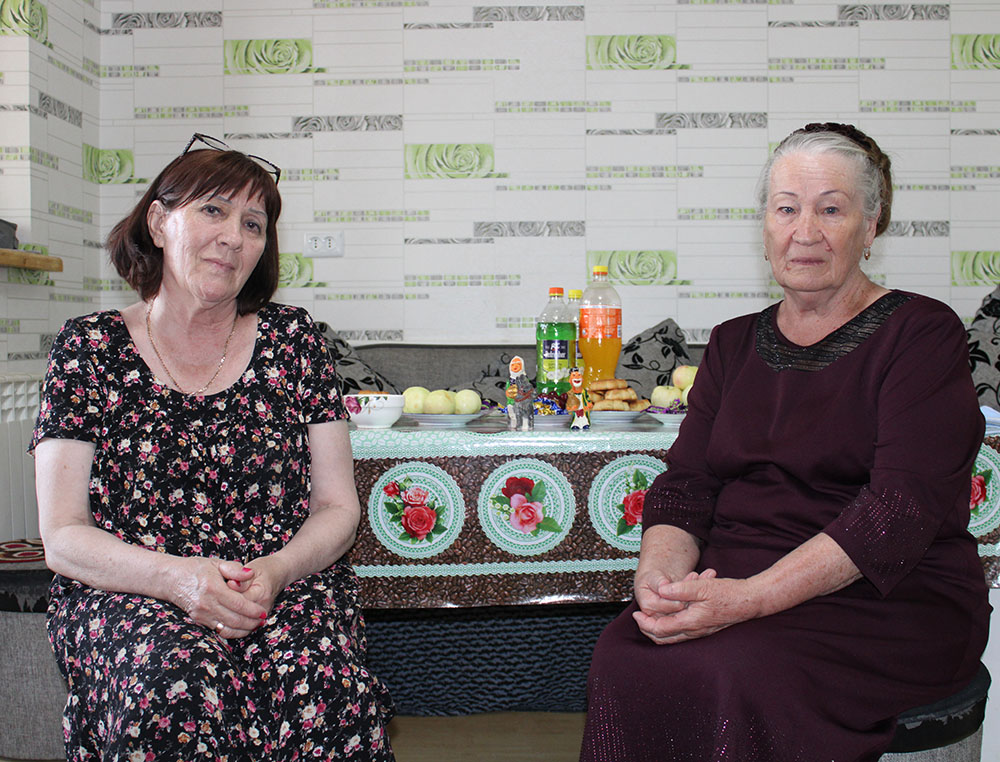
For Tatars, just as for Tajiks, an important component is respect and honor for the older generation. At the table, the eldest person always begins the meal by saying “Bismillah” before eating.
With her husband Ramazan, Zainab has three adult children. Her daughters Lyudmila and Marina are already married, while her youngest, Rustam, was only about to get married at that time. Zainab, as is customary in a Tatar family, has already prepared chests with dowries.
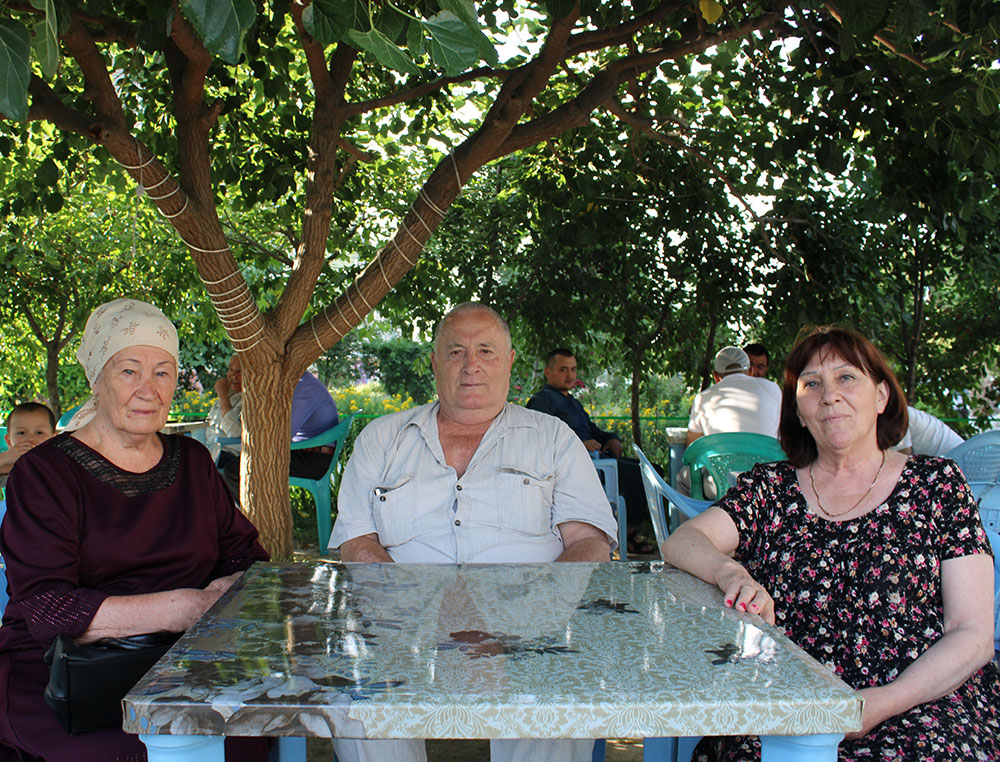
The Daerbekov family does not plan to leave the country, as it is not only their homeland but also the burial place of their parents.
“We are happy here, no matter what anyone says. We love this country, this city, this people,” Zainab switches to Tajik. “If I leave, who will continue my work? After all, there are so few of us left.”
The Best Family Members and Hosts
Alfiya Vyalshina has lived her entire life in Buston (formerly Chkalovsk). She was born here, and her mother rests in the local cemetery. Her only daughter Azaliya was born in Chkalovsk, as well as her beloved grandchildren Azat and Rail.
Alfiya Khabibullayevna is a cultural excellence. She worked for a long time as an accompanist at the music college in Khujand, and then moved to the R.M. Gliere Music School in Chkalovsk. She has several dozen musician graduates, whom she remembers and is proud of.
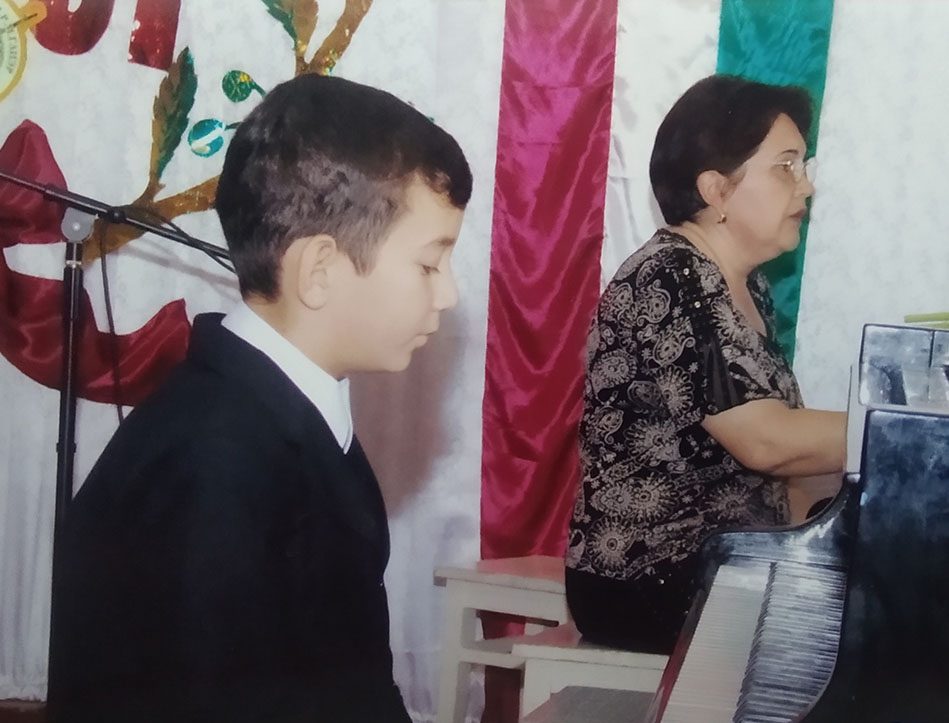
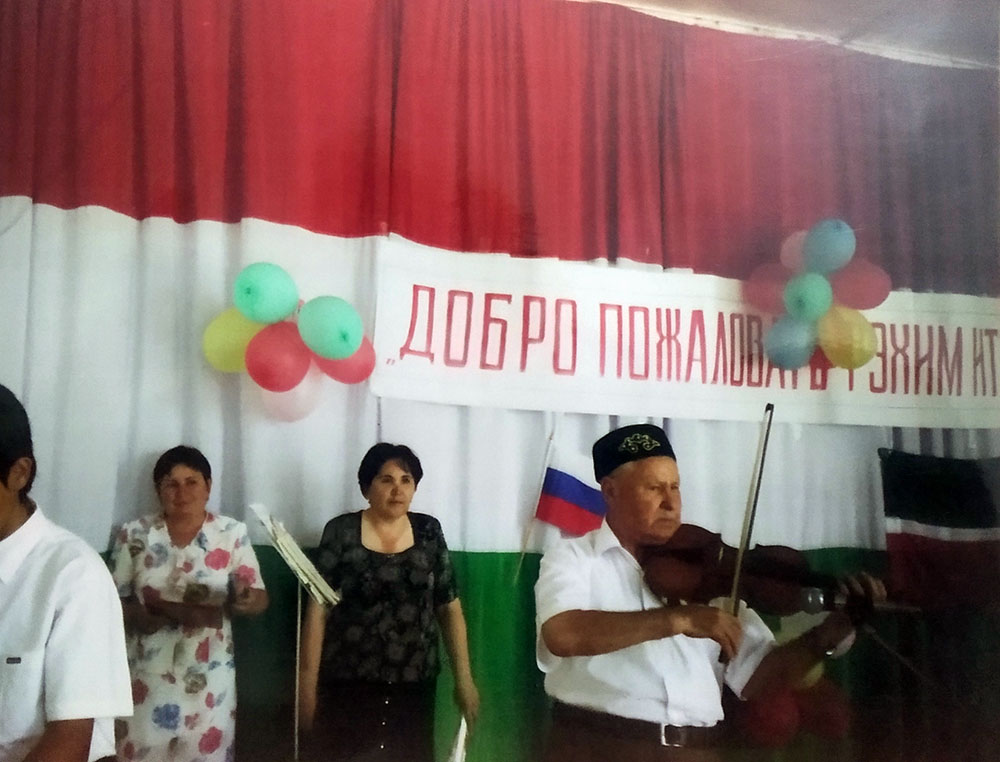
Alfiya Vyalshina was one of the active members of the previously functioning Tatar cultural center “Dusti” in Sughd, chaired by Elmira Gafoorova. Unfortunately, after she moved out of the country, the center disbanded. But local Tatars still remember that wonderful time when hundreds of Tatars and guests from other nationalities from different cities and regions of Sughd would gather for Sabantuy.
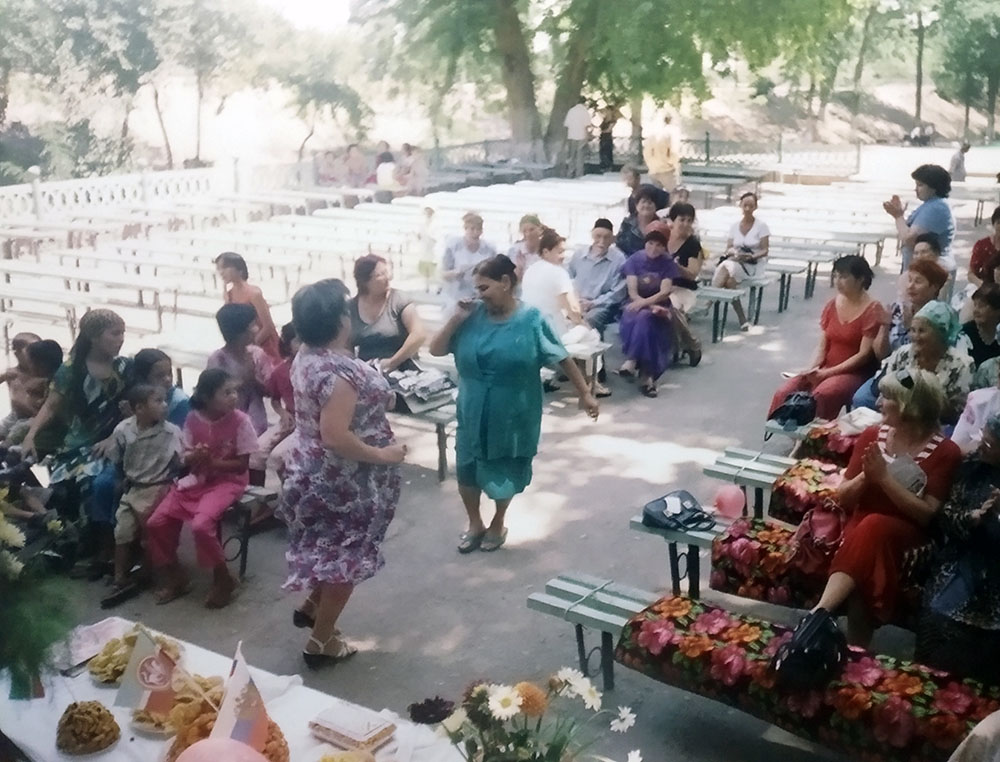
At the music school, evenings in memory of the Tatar poet Musa Jalil, author of the “Moabit Notebooks,” written in fascist dungeons, were often held.
Alfiya Khabibullayevna’s daughter, Azaliya, is married to a Tatar man. This was the grandmother’s wish. She did not insist but explained to her granddaughter that it is better to choose a husband from her own nationality. In this case, there will be no disagreements on views about religion, adherence to traditions, raising children, managing household, etc.
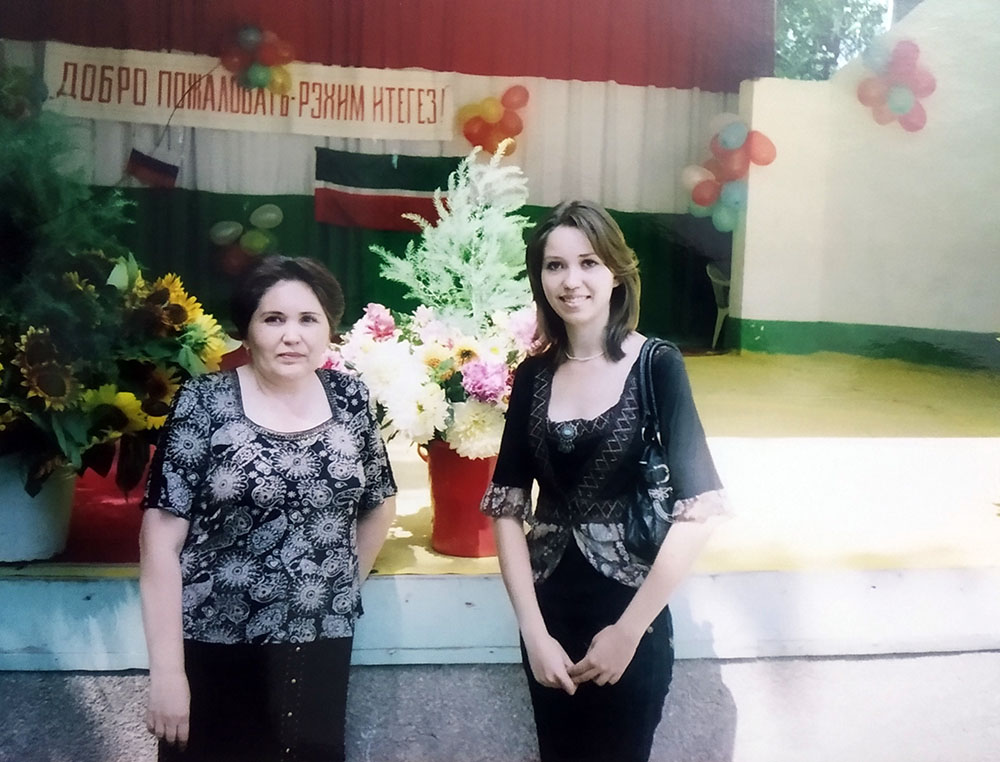
“I believe that Tatars are the best family members, and Tatar women are ideal hosts,” Alfiya Khabibullayevna says with a smile. “My daughter married into a traditional Tatar family, where the father is the head of the family, and the wife is a loyal, wise partner and a wonderful mother. In Tatar families, children learn to respect their elders from a young age, look up to them, and take them as an example. It was important for me that my daughter respected her husband’s parents, and he, in turn, respects me. In such an atmosphere, my grandchildren are growing up, and I am sure they will grow up to be wonderful people.”
We also separately told the story of a Crimean Tatar family that survived the deportation from their native land. They ended up in Tajikistan against their will. Like thousands of other Crimean Tatars, they were brought here in freight cars. Over time, many returned to their historical homeland, but some families remained in the republic forever, becoming part of its multiethnic history.