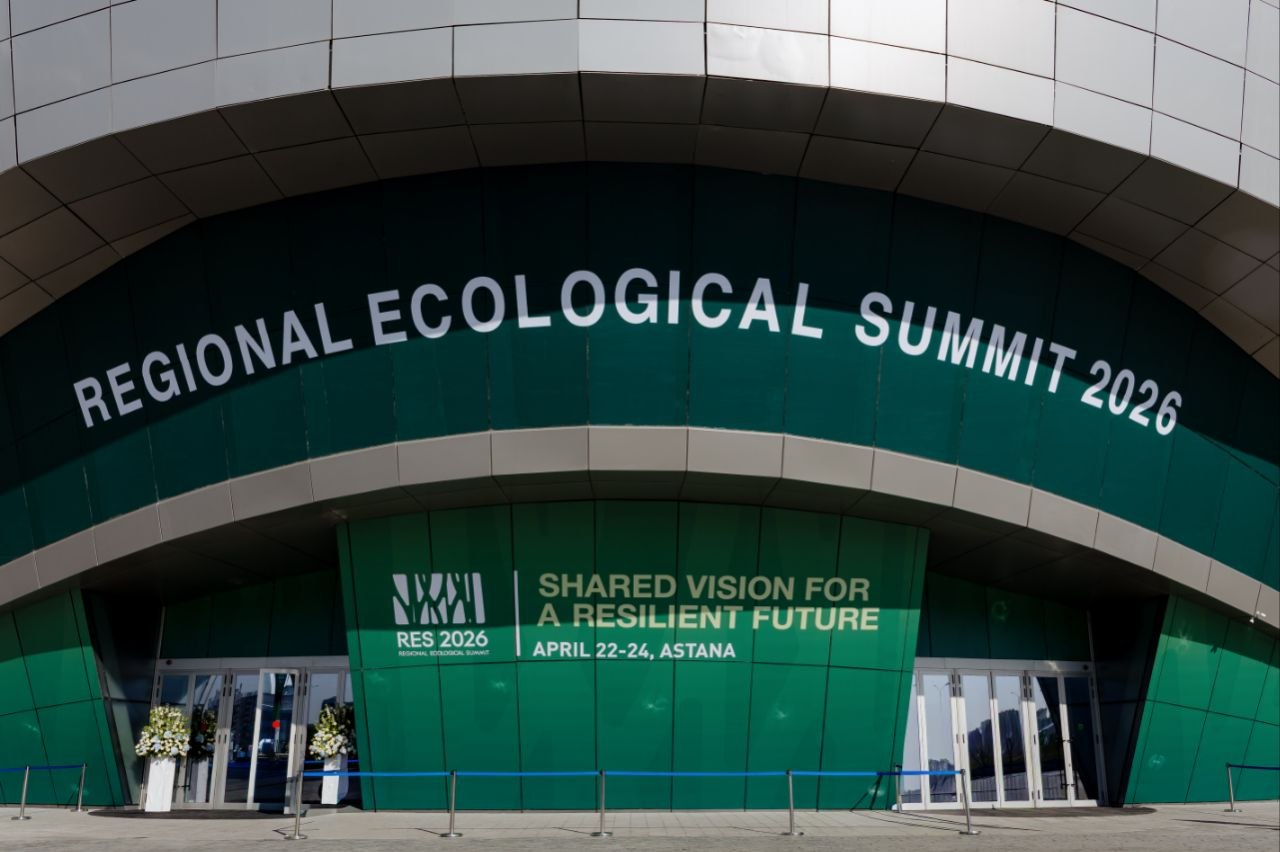
A major Regional Ecological Summit 2026 (RES 2026) “Common Vision for a Sustainable Future” was held in Astana from April 22-24, where leaders from Central Asian countries and partners discussed growing threats — from water scarcity to glacier melting. The outcome was new initiatives, joint programs, and an attempt to develop a unified environmental agenda for the region.
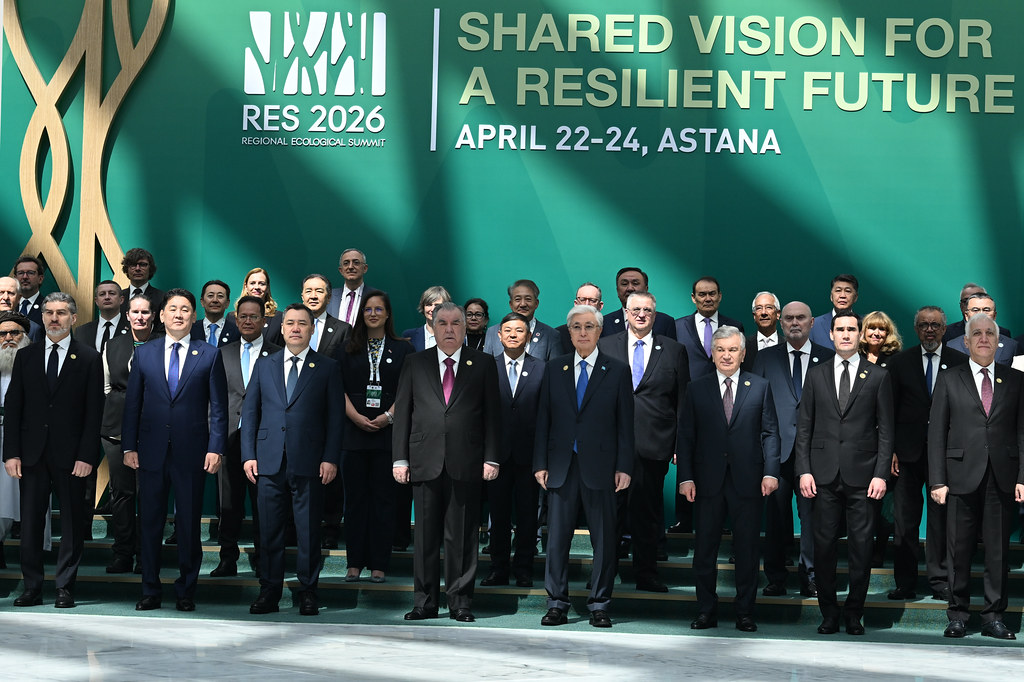
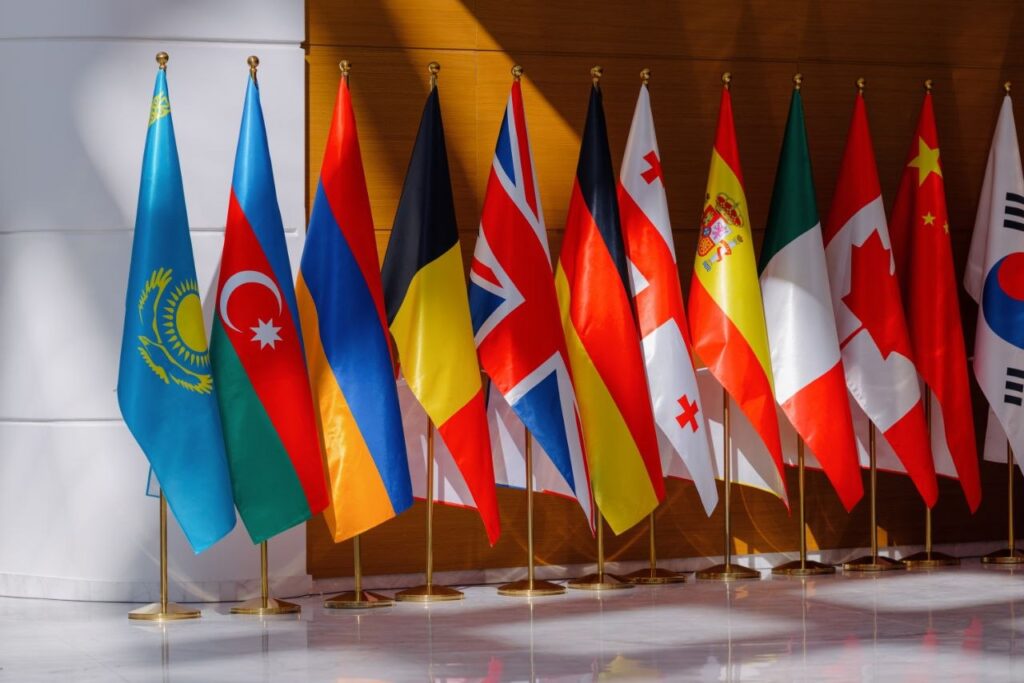
Official representatives from 15 countries participated in the event, including heads of state, public activists, politicians, and researchers, to discuss environmental and sustainable development issues in Central Asia.
The summit served not only as a platform for dialogue but also as a starting point for real initiatives and allowed for the formation of a unified regional environmental agenda with a concrete action plan for the coming years.
During the summit, 58 key meetings were held, including 21 high-level meetings and 4 meetings of Central Asian countries. At the opening, presidents of Central Asian countries, Armenia, Georgia, Mongolia, and the Prime Minister of Azerbaijan delivered speeches.
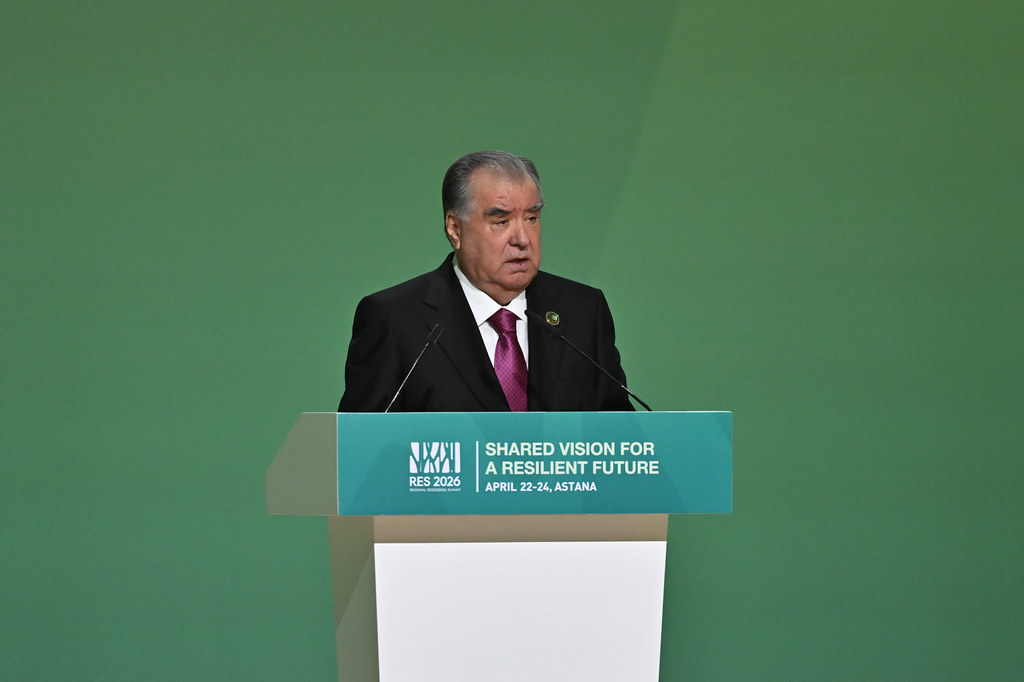
President of Tajikistan Emomali Rahmon also visited Astana and spoke at the summit.
What did the presidents say?
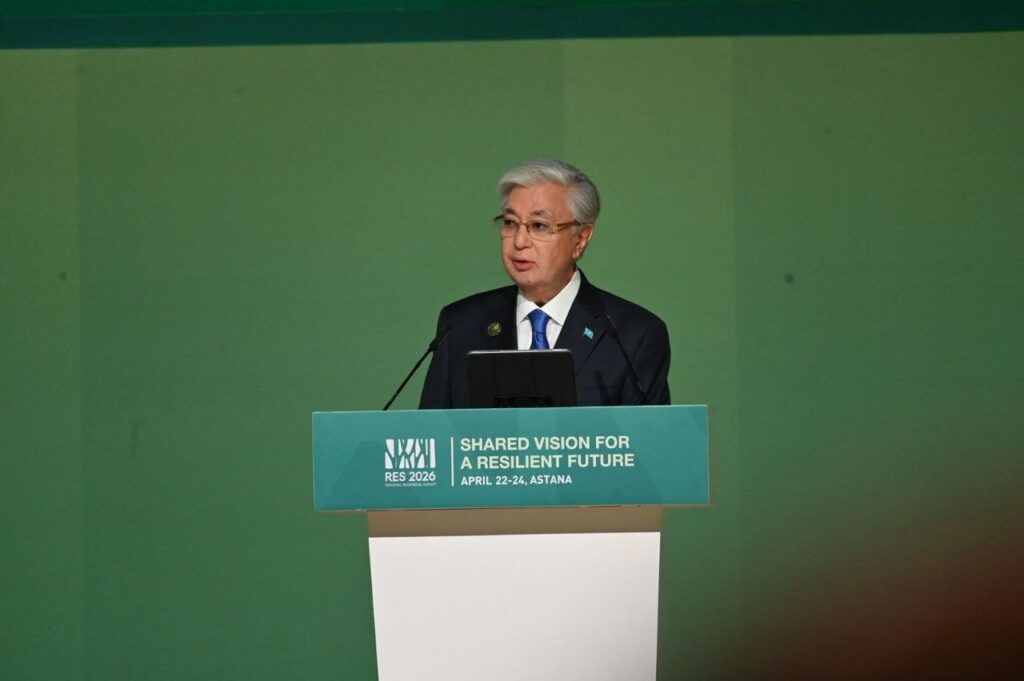
Kassym-Jomart Tokayev, President of Kazakhstan, noted in his opening speech that Central Asia faces a number of common problems — water scarcity and inadequate management, desertification, glacier melting, air pollution, and biodiversity vulnerability. He emphasized that positive results can only be achieved through joint efforts.
According to him, environmental policy is often developed without considering the needs of developing countries. Therefore, the transition to a “green” economy must be fair, balanced, and stimulating.
Tokayev highlighted that the Aral Sea is a vivid example of the consequences of misguided policies, and currently, about 36% of its northern part has been restored. He stated that Kazakhstan has proposed an interstate program for the preservation of the Caspian Sea and has established the Caspian Research Institute.
Emomali Rahmon, President of Tajikistan, also spoke about key issues related to climate change, water resource protection, and sustainable development. He emphasized that up to 60% of Central Asia’s water resources are formed in Tajikistan.
Rahmon stated that the government of Tajikistan has launched the issuance of green bonds in this direction, which he said is an important step towards integrating the country into the global climate finance system.
Sadyr Japarov, President of Kyrgyzstan, in his speech, also noted that despite the country producing only 0.03 percent of the world’s greenhouse gas emissions, the impact of climate change is strongly felt.
According to him, the area of glaciers in the country has decreased by 16%, and by 2100, Kyrgyzstan could lose up to 80% of its glaciers. Additionally, the level of Lake Issyk-Kul has dropped by almost 14 meters over the past decades, and the number of rivers flowing into it has decreased from 100 to 30.
Japarov emphasized that climate change exacerbates existing water and energy resource issues both in the region and globally.
President of Uzbekistan Shavkat Mirziyoyev, in turn, expressed concern over the doubling of the average temperature in the region, increasing water scarcity, land degradation, and the disappearance of nearly a third of glaciers.
Presidents of other countries also spoke about climate problems and environmental threats, stressing that the time has come to take practical measures.
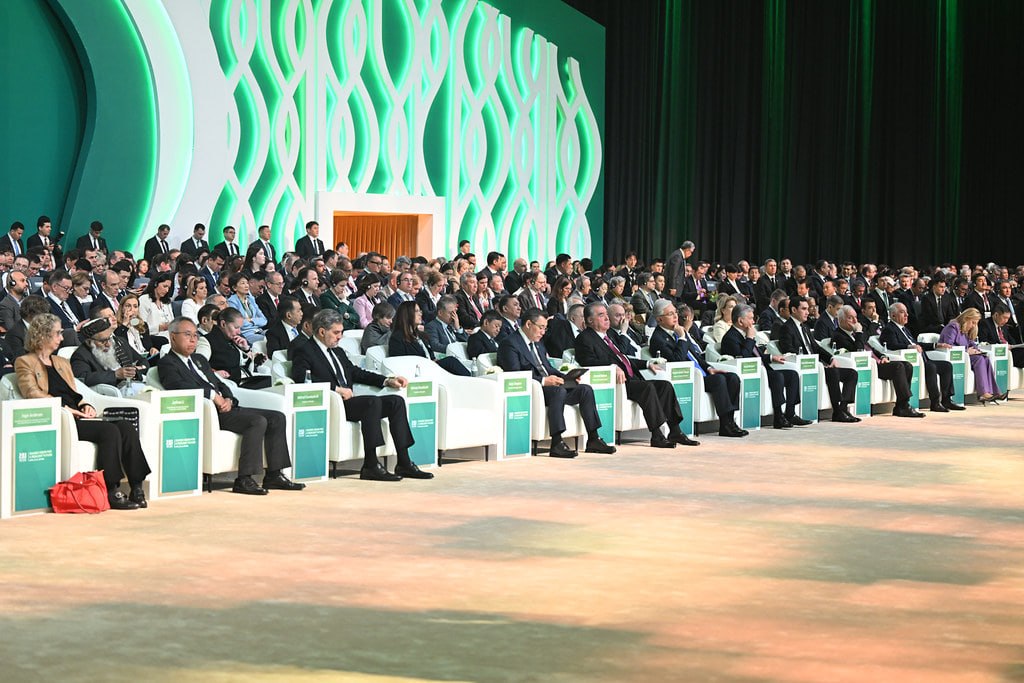
Adoption of the “Environmental Solidarity of Central Asia” Declaration
The main outcome of the Regional Environmental Summit was the adoption of the Declaration of the Heads of State of Central Asia titled “Environmental Solidarity of Central Asia”. The presidents reaffirmed their goals to intensify efforts to develop common regional positions and solutions within multilateral environmental processes.
These processes include negotiations on biodiversity, chemical and waste management, combating plastic pollution, improving air quality, countering land degradation and desertification, as well as promoting a unified regional position on international platforms.
The Declaration also mentioned Kassym-Jomart Tokayev’s initiative to create an “International Water Organization within the UN structure”. Simultaneously, the document supported Kazakhstan’s initiatives to establish an “International Fund for the Protection of Rare Species and Biodiversity”, develop an “Interstate Program for the Preservation of Caspian Sea Water Resources”, institute an “International Day for the Greening of the Planet”, and enhance cooperation within the Central Asian climate change and ‘green’ energy platform.
A Program of Action for the implementation of regional environmental initiatives in cooperation with the UN for 2026–2030 was also approved. It includes a regional investment package in ecology and climate, regional assessment of environmental activity effectiveness, framework documents on nature-oriented solutions, a cooperation program in circular economy, and the regional platform “Green School”.
These initiatives were presented at summit meetings with strategic partners and outlined a concrete plan for joint actions by the region’s countries and the UN system for the next five years. Thus, a foundation was laid for the consistent implementation of the agreements reached.
World Bank to allocate $1 billion for Central Asia’s energy integration
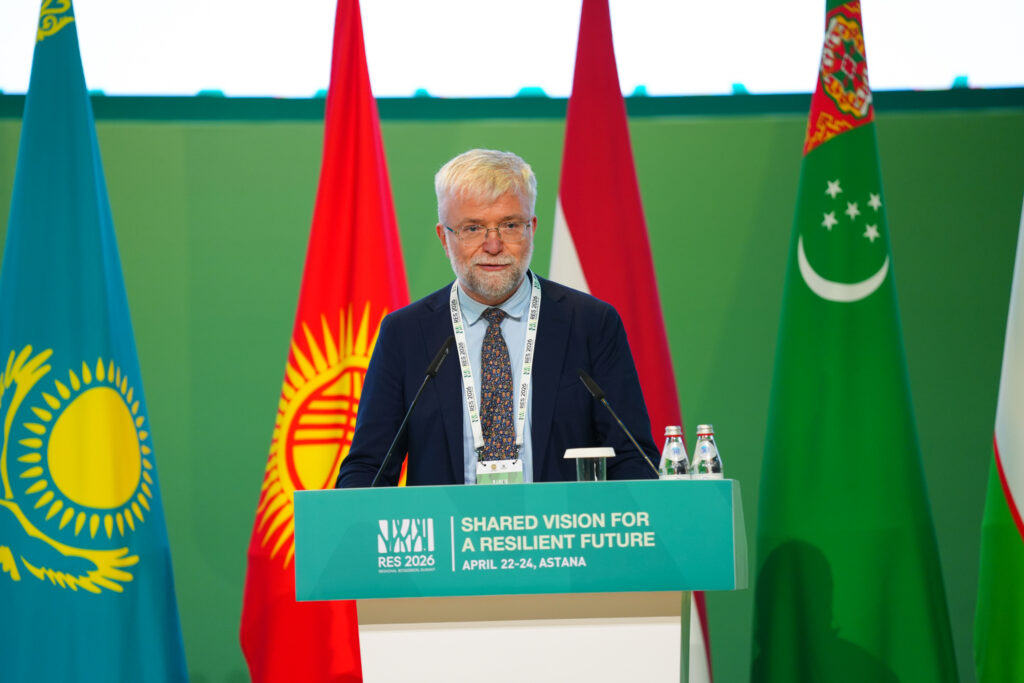
The World Bank, in cooperation with development partners, will allocate about $1 billion for the development of Central Asia’s energy system integration. This was announced at the summit by Dmitry Petrin, a representative of the World Bank in the region.
It is reported that these funds will be allocated within the framework of the regional REMIT program (Regional Energy Market Integration and Trade), aimed at strengthening energy cooperation and expanding cross-border electricity transmission. According to responsible officials, with additional investments, the total funding could reach $2 billion.
Experts note that implementing this program will triple electricity transmission capacity and create favorable conditions for the use of renewable energy sources, including solar and wind energy. It is expected that up to 9 gigawatts of “green” energy will be integrated into the region’s unified system.
According to a World Bank representative, developing electricity trade could bring the region’s economy at least $15 billion. Simultaneously, improving cooperation in water resources could yield up to $4.5 billion annually.
Nevertheless, the main issue remains insufficient coordination between countries and the lack of quality data. Therefore, strengthening regional structures and improving cooperation mechanisms are considered key conditions for advancing the program.
Establishment of International Aral Sea Day
At a meeting of the Council of Heads of State — founders of the International Fund for Saving the Aral Sea, Tokayev emphasized the need for coordinated efforts. He stated that despite the implementation of more than 30 projects worth over $2 billion and an increase in water volume in the Northern Aral, the environmental situation remains challenging.
He proposed developing a long-term water policy and implementing permanent digital monitoring in the Syr Darya and Amu Darya basins. As a result, it was decided to declare March 26 as International Aral Sea, Amu Darya, and Syr Darya Day.
A new regional document for improving the environmental situation
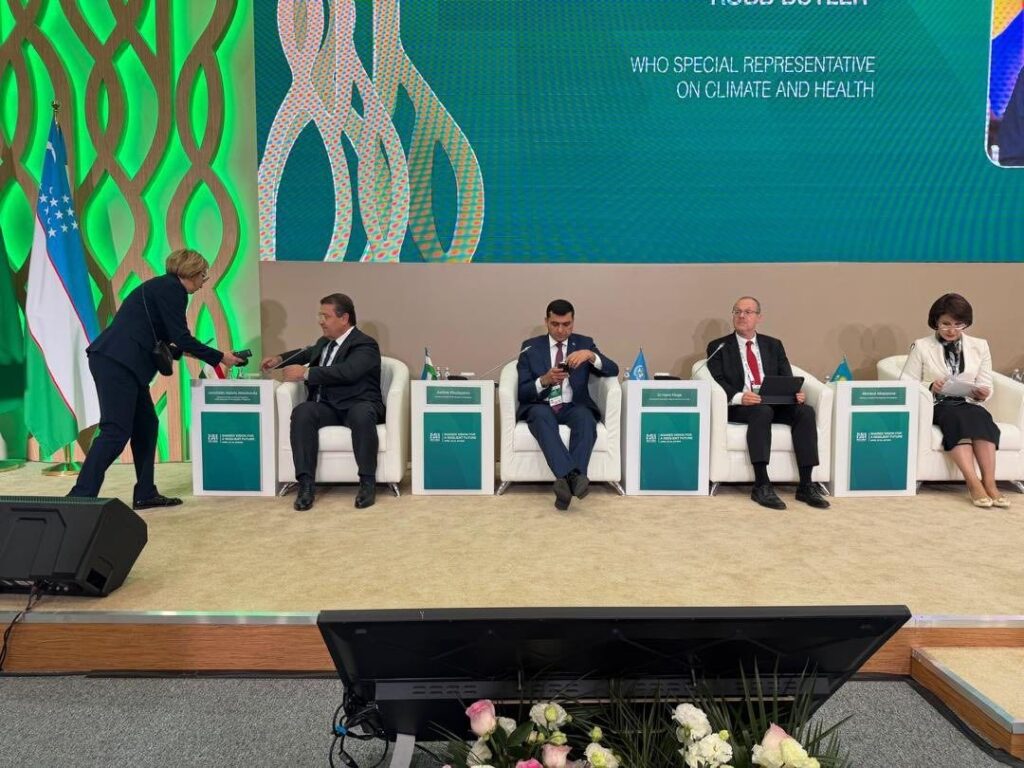
As part of the RES 2026 in Astana, Central Asian countries, Azerbaijan, and the World Health Organization signed a joint document “Healthy Future for the Aral Sea Region”, aimed at improving the environmental situation and strengthening the healthcare system in the Aral Sea area.
This document was adopted on April 23 after a session titled “Protecting Future Generations: Health at the Center of the Environmental Agenda — Lessons and Solutions for the Aral Sea Region”. The session was attended by health ministers from Central Asian countries and Azerbaijan, as well as representatives from the World Health Organization. The main topic of discussion was the consequences of the environmental crisis in the Aral Sea region.
At the end of the session, participants signed several more documents and memorandums related to ecology.
International exhibition of green technologies
As part of the Regional Environmental Summit in Kazakhstan’s capital, an international exhibition of green technologies was also held.
The exhibition brought together over 240 participants from 30 countries worldwide and a wide range of international partners, becoming a platform for showcasing modern achievements in ecology and energy. Over 120 exhibition stands from various countries were organized.


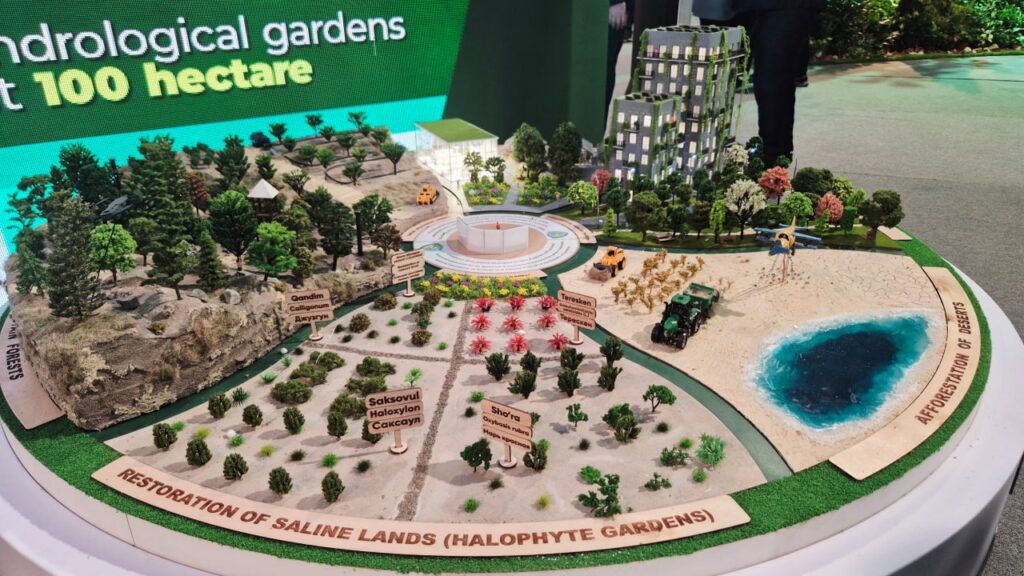

The exhibition also featured a stand from Tajikistan, demonstrating the country’s contribution to promoting the climate agenda.
The Tajikistan stand also presented visitors with the country’s natural diversity and cultural heritage, traditions, and samples of national art and crafts.
A separate part of the exhibition was dedicated to the private sector, where participants showcased their achievements in green energy, environmental development, and waste recycling.
What issues were discussed at the panel sessions?
As part of the RES-2026 in Astana, dozens of panel sessions were held, covering key environmental, energy, and economic issues in the Central Asian region. The topics of the panel discussions were diverse and encompassing:
Transition to a “green” economy and climate change. Several panel sessions focused on climate change adaptation, including reducing greenhouse gas emissions, developing low-carbon technologies, using renewable energy sources (solar, wind), transitioning to a “green” and sustainable economy.
It was noted that year by year, the greenhouse gas layer is getting thicker, resulting in lower stratosphere cooling and surface layer warming. This is primarily influenced by fossil fuel combustion, deforestation, and livestock growth.
Experts emphasized that the countries of the region must simultaneously align economic development with environmental protection.
Adaptation to natural risks and economic resilience. Another important topic was combating drought and water scarcity, glacier melting, natural disasters (mudflows, storms, extreme heat), and enhancing economic resilience to these threats. This direction was especially important for mountainous countries, including Tajikistan.
In one of these sessions, Central Asian countries discussed strengthening cooperation in the cryosphere field. According to estimates, if high emissions continue, the region could lose up to 85 percent of glaciers by 2100 compared to 2020 levels. This process could put serious pressure on water resources, infrastructure, and people’s lives, as well as increase the risk of natural disasters, including glacial lake outbursts.
Food security and agriculture. The impact of climate change on agricultural production, adapting agriculture to new conditions, soil protection and combating desertification, and ensuring food security in the region were also among the discussed issues.
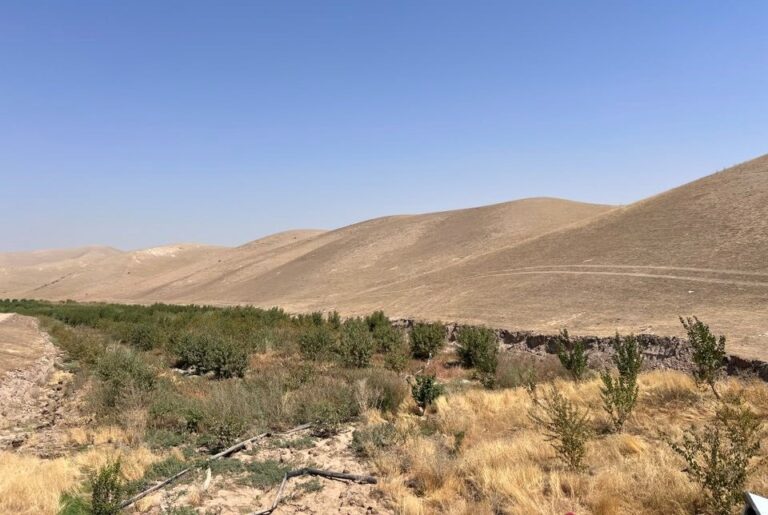
“Green Shield” initiative. One of the important panels was dedicated to the “Green Shield of Central Asia” resolution initiative, including the creation of forest belts and green barriers, preventing land degradation, reducing dust storms, and restoring ecosystems. This initiative aims to form a system of protective forest belts and green barriers that can reduce soil erosion, stop sand movement, and improve the local climate.
Among other discussion topics at the sessions were the reduction of the Caspian Sea level, regional cooperation in water resource management, energy and energy security issues, investment and green finance, science, technology and regional cooperation, education, youth, and green professions.