Central Asian countries are preparing a new large-scale climate project aimed at soil protection, land fertility preservation, and the development of sustainable land use. Kazinform reports that the application for funding the initiative has already been submitted to the UN Green Climate Fund.
The key objective of the project is to preserve soil fertility against the backdrop of accelerating climate change. The region is already experiencing land degradation, desertification, and biodiversity loss, which increase risks for agriculture and food security. The new climate project for soil protection is being prepared for implementation with the participation of the German Society for International Cooperation — GIZ.
According to Daniel Gerke, head of the regional program “Integrated Land Use Considering Climate Change in Central Asia,” if the application to the Green Climate Fund is approved, the project could begin as early as the beginning of next year.
Meanwhile, GIZ is already implementing the ILUCA program in the region, aimed at introducing integrated approaches to land use considering climate change.
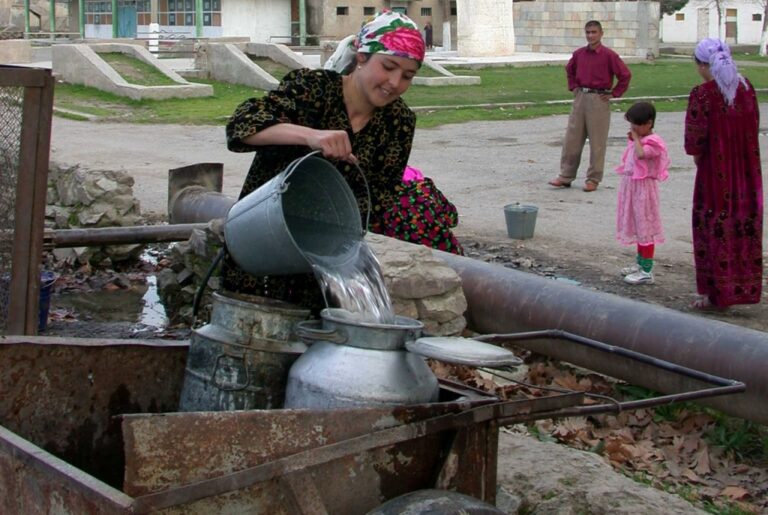
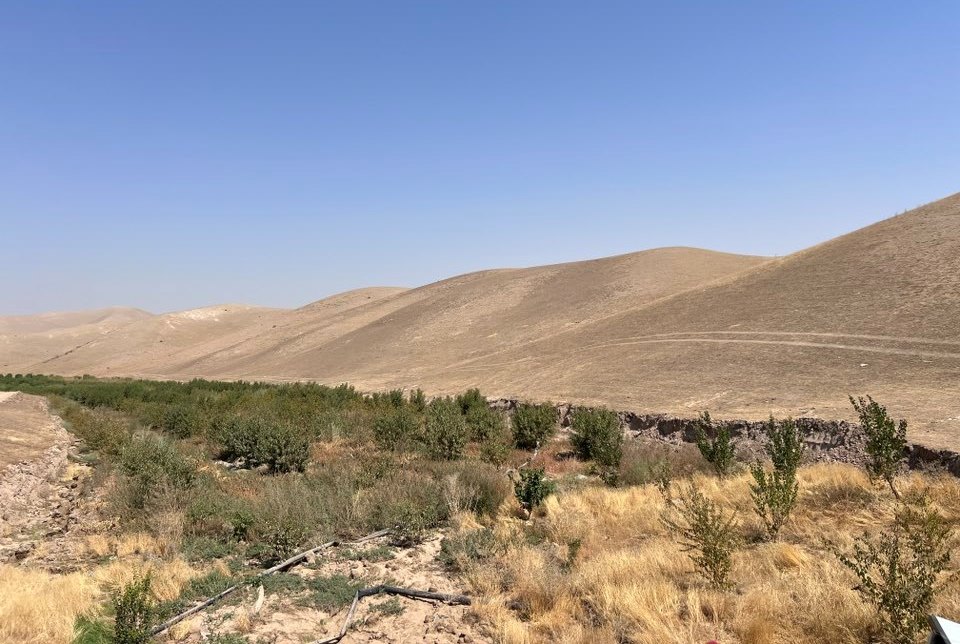
The initiative is of particular importance for the mountainous countries of the region, including Tajikistan. According to GIZ materials, the country is particularly vulnerable to the effects of climate change: landslides, floods, and droughts frequently occur here, and residents of remote areas largely depend on the natural environment as a source of livelihood. Restoration and sustainable management of forests are considered one way to reduce soil erosion, stabilize slopes, protect settlements from floods, and increase the resilience of local communities.
An equally pressing issue for Tajikistan remains the condition of pastures. More than 90% of the country’s territory is mountainous, and pastures covering about 3.9 million hectares account for approximately 80% of agricultural lands. Meanwhile, the growth of livestock numbers and overgrazing exacerbate the degradation of pasture ecosystems.