Droughts in Central Asia are becoming increasingly frequent and are turning into a chronic regional challenge driven by climate change, growing water demand, and outdated infrastructure, according to an expert from the International Water Management Institute (IWMI).
Iskandar Abdullayev, a senior researcher at IWMI, made the remarks while commenting on the results of a regional study examining the causes and consequences of drought across Central Asia.
According to him, as part of a World Bank project, a rapid assessment of drought processes was conducted in five Central Asian countries, and the causes and possible solutions at the regional level were also examined.
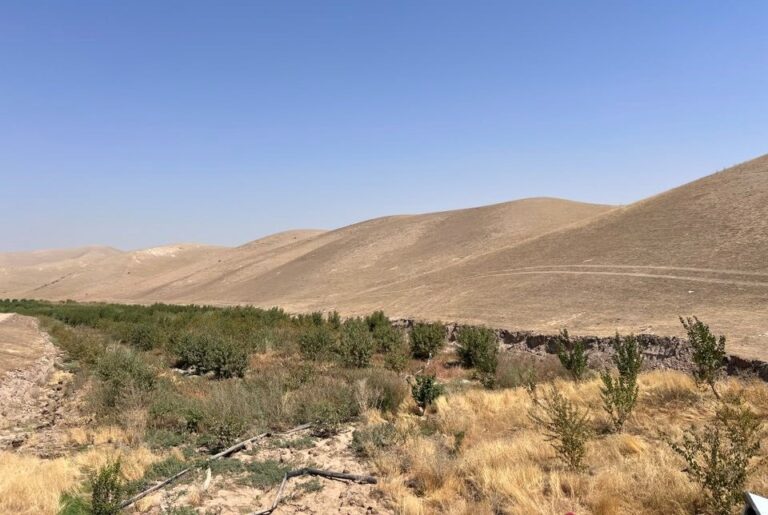
Abdullayev noted that severe droughts that previously occurred roughly once every decade have become far more frequent since the early 2000s. In recent years, the region has been experiencing drought conditions almost every other year.
“The problem of drought and water scarcity is becoming chronic,” he said, pointing to climate change as the main driver. He explained that changes in precipitation patterns, declining rainfall, and rising temperatures have sharply increased pressure on water resources.
Abdullayev noted that Central Asia is warming faster than the global average and is naturally considered a water-scarce region due to its climatic conditions.
He also highlighted significant changes in river flow patterns. Whereas seasonal water inflow traditionally began in March and lasted until September, low water levels are now being recorded until June.
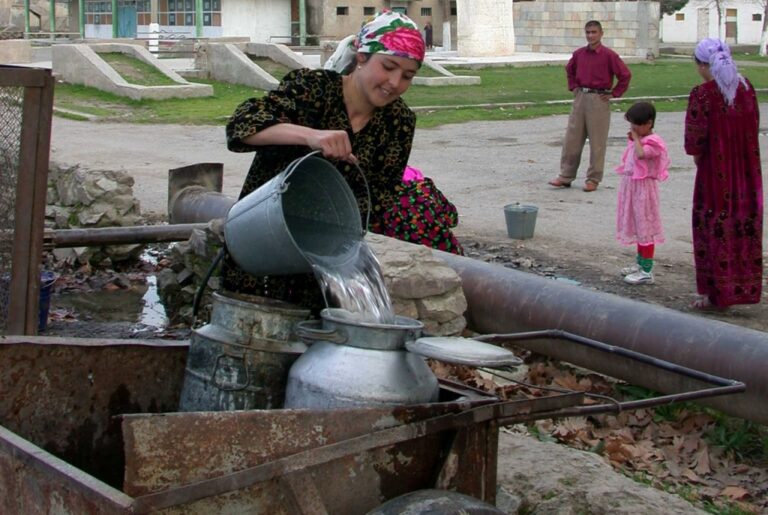
Among the additional causes of worsening drought conditions, the expert cited outdated irrigation systems, the growing number of water users following agrarian reforms, increasing competition for water resources, deteriorating hydraulic infrastructure, and inefficient water management.
“These factors contribute to hydrological drought, where water resources are either insufficient or distributed ineffectively,” he said.
According to Abdullayev, drought is affecting even the region’s main water-source countries — Tajikistan and Kyrgyzstan.
He said the agricultural sector remains the most vulnerable, particularly irrigated farming, but warned that drought also has serious consequences for livestock production and the energy sector. Water shortages and declining pasture quality are causing losses in animal husbandry, while reduced reservoir levels are limiting hydropower generation.
Abdullayev estimated that economic losses from droughts can amount to as much as 2% of a country’s GDP, with damages expected to grow as droughts become more frequent.
He also drew attention to the rapid melting of glaciers, which serve as natural freshwater reserves. According to the expert, glacier volumes in the region have declined by around 30% compared to the previous century, directly affecting long-term water availability.
To address the crisis, Abdullayev identified three priority areas: establishing early warning systems for drought, improving water conservation across all sectors of the economy, and adapting agriculture to climate change through drought-resistant crops and better pasture management.
He stressed the importance of providing timely information to governments, farmers, and local communities about potential droughts, including their expected scale and duration.
According to the expert, Central Asian countries must accelerate the introduction of water-saving technologies, restore degraded pastures, and gradually shift toward more climate-resilient agricultural practices.