Tajikistan has presented a unified digital platform for rural and small urban water utilities, which will replace various programs, local servers, and paper accounting with one common system. The project was unveiled on May 25 at the forum “Prospects for Transboundary Cooperation: Innovations and Actions in Water Resources for Sustainable Development.”
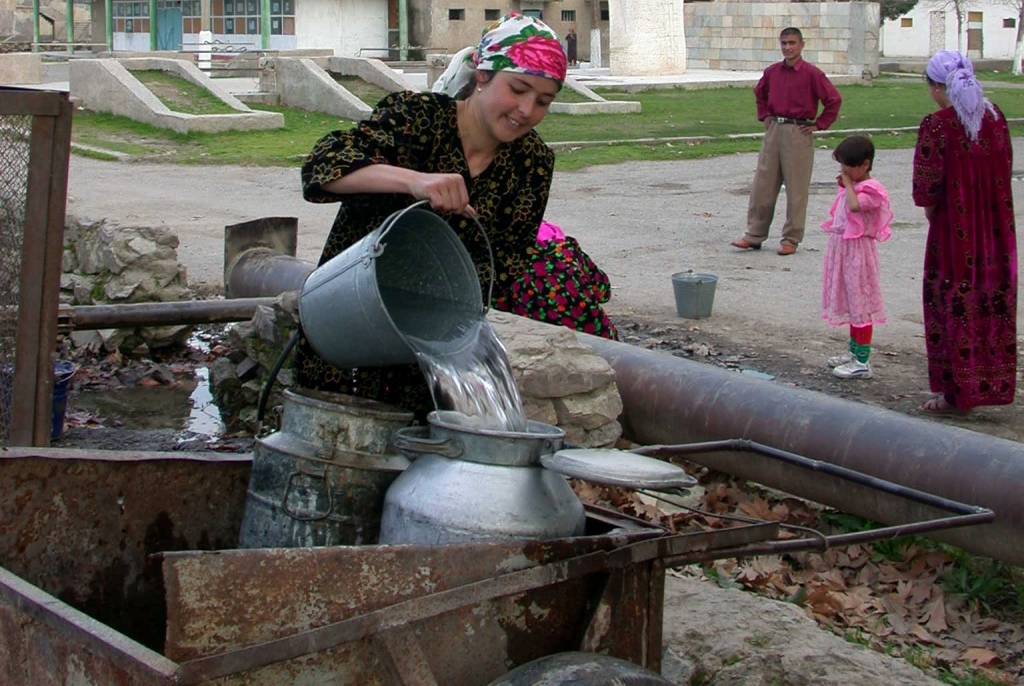
It is particularly important for the country where about 59% of the population lacks access to centralized water supply.
Shared water resources require joint solutions
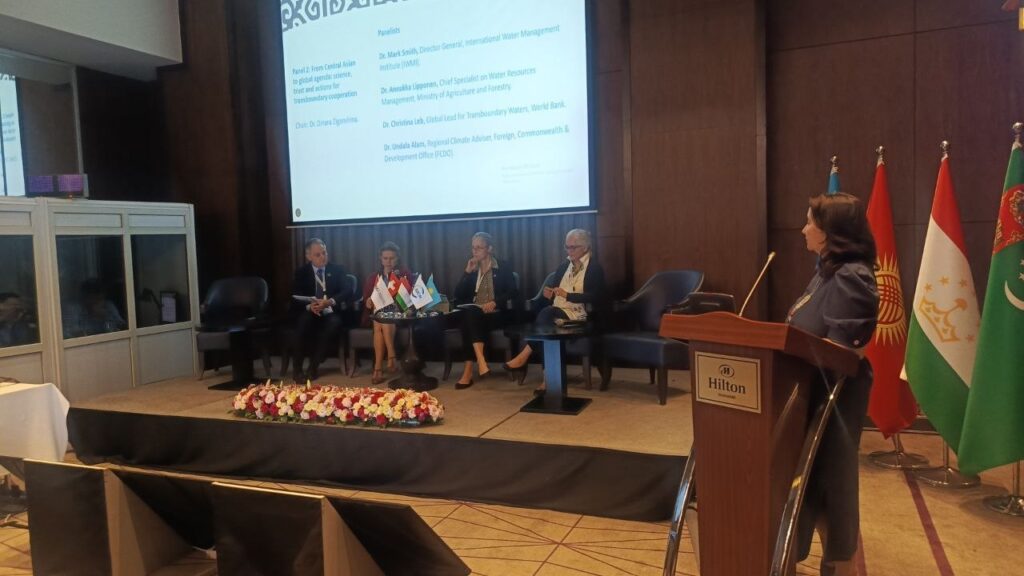
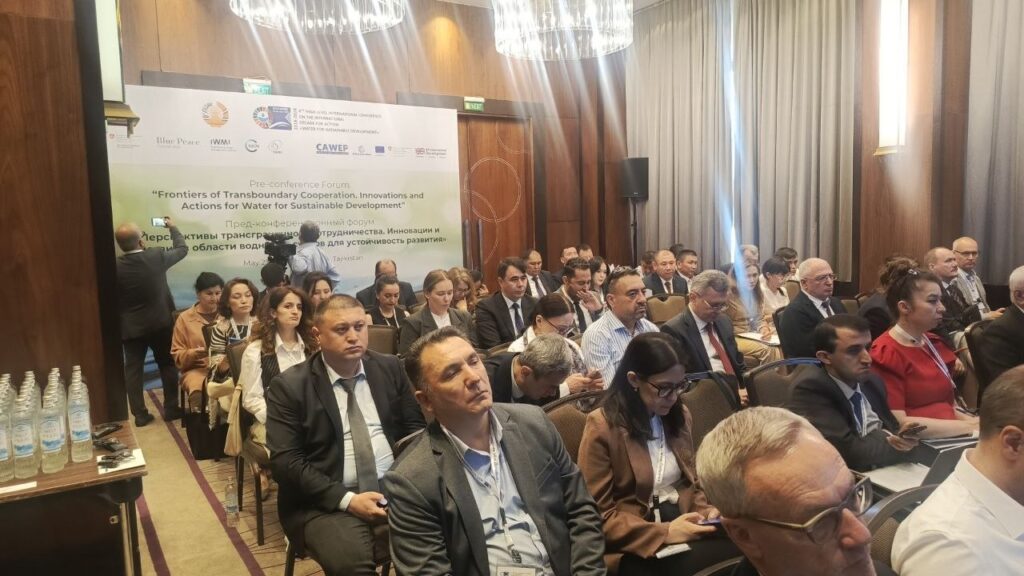
The forum discussed how countries in the region can cooperate more effectively on the use of shared rivers and water resources. As participants noted, transboundary river basins provide nearly 60% of the world’s freshwater reserves. Therefore, data exchange, joint planning, and the implementation of modern digital solutions become especially important.
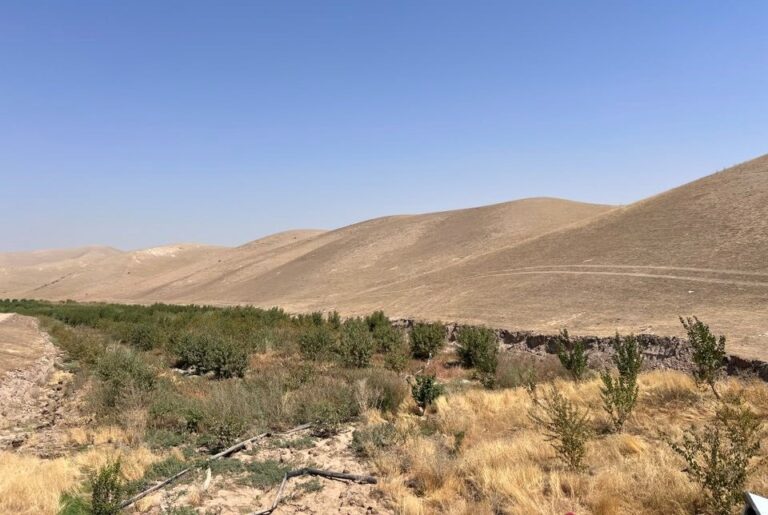
For Central Asia, this topic holds special significance. The region is experiencing glacier shrinkage, increasing droughts, and major rivers run through the territories of several states. Under such conditions, countries need to strengthen cooperation and use scientific and digital tools for more precise water resource management.
A unified platform instead of fragmented systems
One practical example presented at the forum was the unified digital accounting and billing system for rural and small urban water utilities in Tajikistan. It is being developed to replace fragmented programs and local servers with one centralized platform.
The new system allows water utilities to operate through one unified digital platform. Each utility receives its own secure workspace, with program updates, backup, technical support, and data management performed centrally. Coordination is carried out by the State Unitary Enterprise (SUE) Khojagii Manziliyu Kommunali (KMK – the state-run facility for public utilities).
In the initial pilot phase, the system was implemented at 5 enterprises. Data from over 30,000 subscribers have already been transferred to the unified platform. It is planned to gradually connect all enterprises and users across the country to the system.
Participants noted that this approach helps reduce the dependence of water utilities on local servers, improve payment tracking, simplify reporting, and make enterprise operations more transparent. Additionally, the centralized model reduces maintenance costs and helps preserve digital solutions after donor projects are completed.
Challenges and conditions for further implementation
However, certain difficulties remain. These include unstable internet in some areas, challenges in transferring data from old systems and paper archives, and the need for staff training.
Four main conditions are crucial for the successful implementation of such a model: the presence of a central operator, basic internet infrastructure, sustainable funding for support, and unified data standards.
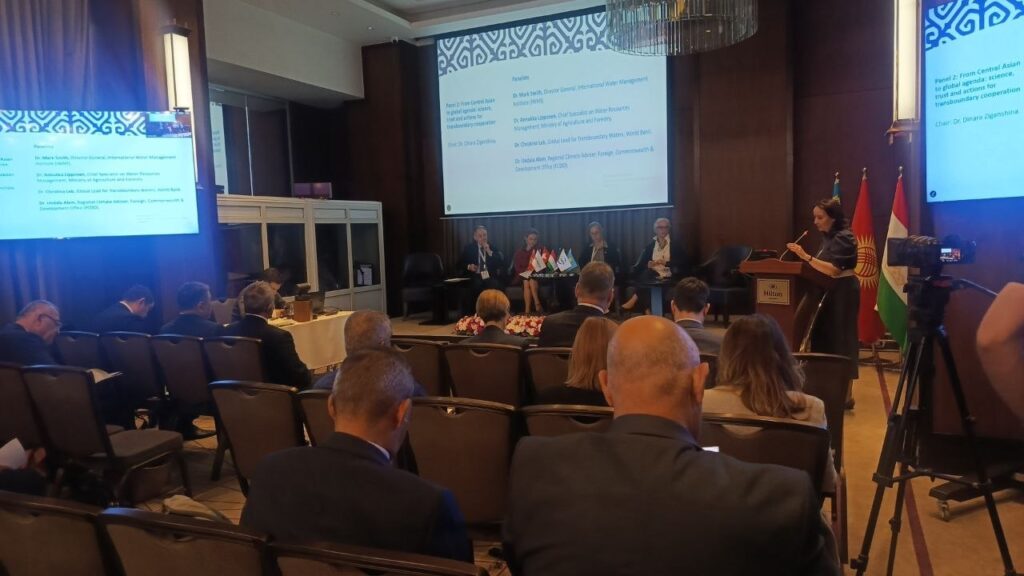
The forum in Dushanbe demonstrated that digital platforms, shared data, and modern analysis tools can help Central Asian countries enhance water security, improve resilience to climate risks, and develop practical transboundary cooperation.