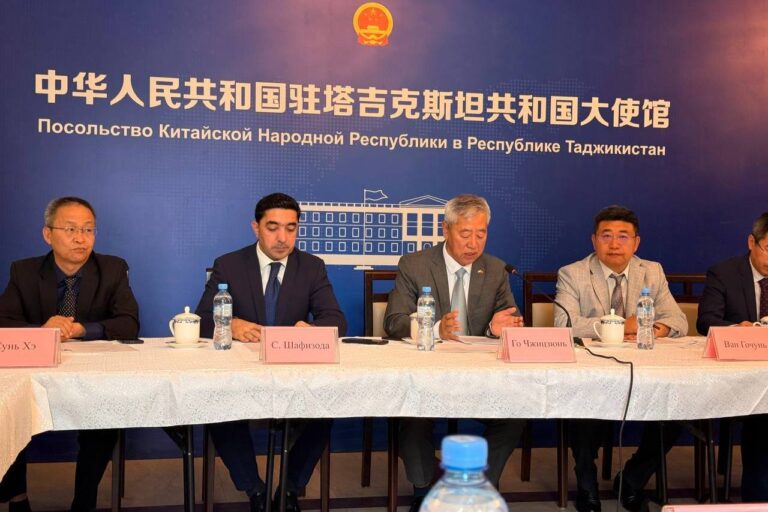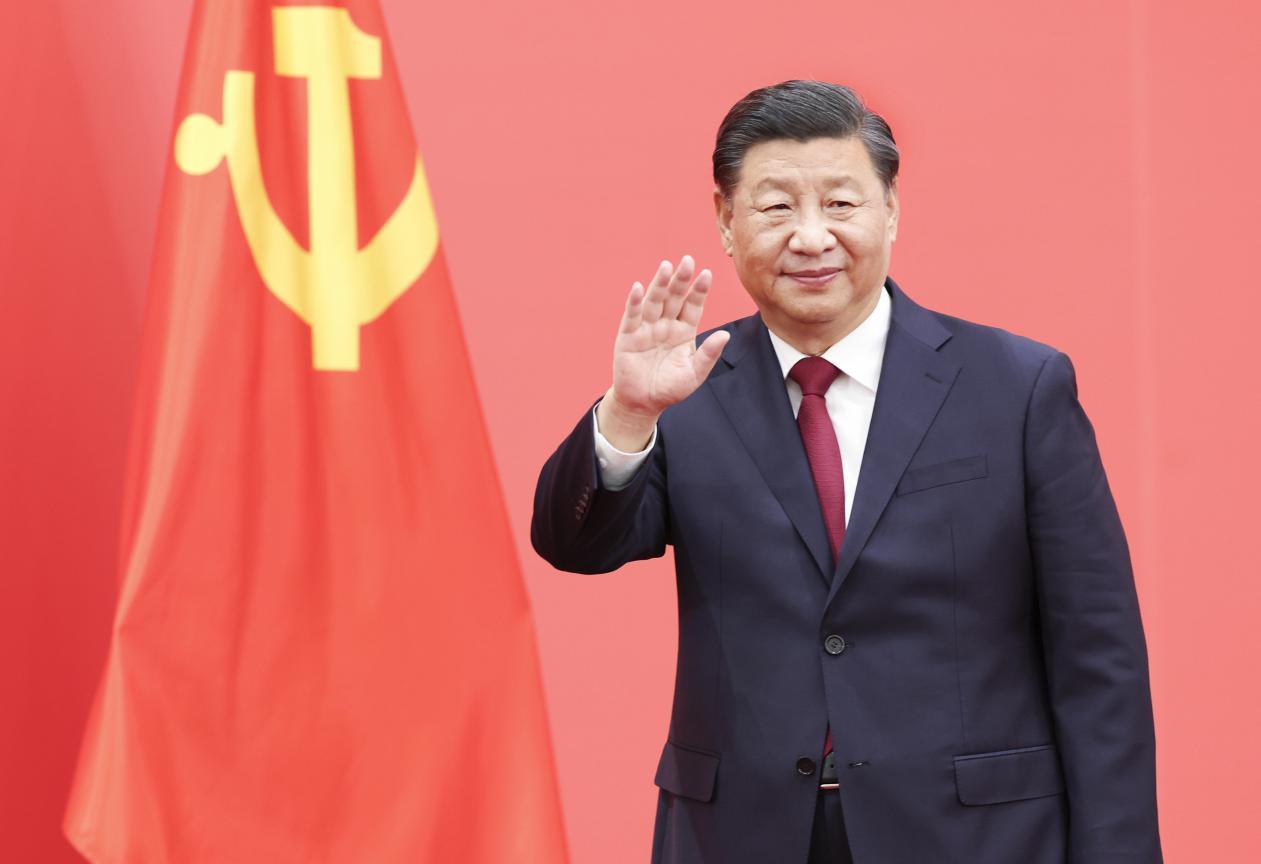
The state visit of the President of Tajikistan to China from May 11-14 took place against the backdrop of international escalation (primarily related to the situation around Iran), US-China rivalry, and the parallel visit of the US President to Beijing from May 13-15. Within these events, let’s examine China’s presence in Central Asia and the state of Tajikistan-China relations.
Why is Central Asia becoming a vital region for China?
In light of the current situation on the international stage, the Central Asian region acquires strategic significance for Beijing. The escalation in the Middle East, which led to the blockade of shipping through the Strait of Hormuz, the persistent tension on the Afghan-Pakistani border affecting safe access to Pakistani ports, and the growing tensions in the Indo-Pacific region (primarily around Taiwan) with the risk of blocking the Strait of Malacca, have highlighted China’s vulnerability in accessing global markets and ensuring its energy security.
In this context, Central Asia can play the role of a vital space for China. The region, located in the heart of Eurasia, can provide China with a breakthrough from logistical isolation. Beijing is already promoting its global transport and logistics project “Belt and Road” in Central Asia, and in the aforementioned international environment, the significance of the region within this project may further increase.
Thus, through the Central Asia – China gas pipeline, currently consisting of three branches with a total capacity of 55 billion cubic meters per year and passing through the territories of Turkmenistan, Uzbekistan, and Kazakhstan, China imports up to 35 billion cubic meters of gas annually.
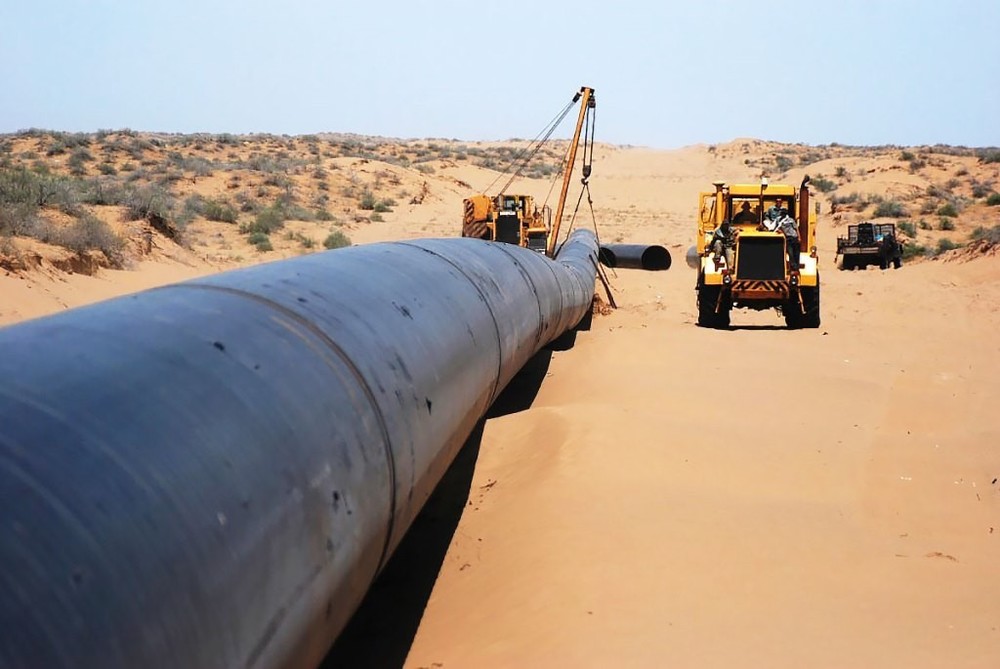
With the implementation of the planned fourth branch, the total capacity of the gas pipeline may increase to 85 billion cubic meters. Within the framework of the Kazakhstan-China Pipeline project, China imports nearly 19 million tons of oil from Kazakhstan annually.
Another area that makes Central Asia a strategic region for China is the security sphere. This primarily concerns the issue of security on the Tajik-Afghan border and the stability of China’s northwestern borders in general, where the potentially unstable Xinjiang Uygur Autonomous Region (XUAR) is located.
Last year’s attacks from Afghan territory on Chinese economic enterprises in Tajikistan confirmed the need to strengthen China’s positions in this direction. Speaking of XUAR, it is also worth noting the economic factor of ensuring the stability of this region, which depends on trade with Central Asia, which accounted for more than 50% of Xinjiang’s foreign trade last year.
Beijing’s advantages in Central Asia
Today, China is one of the major trading partners of Central Asia and one of the leading investors. China exports machinery, electronics, and high-tech products to Central Asia, while importing energy resources, chemicals, steel, and agricultural goods. Through its projects and companies, China is present in almost all sectors of the economies of Central Asian countries. Such success in the region is achieved through a number of advantages.
1. Geography. Perhaps the main factor in the development of bilateral relations between Central Asian countries and China is geographical proximity, which allows the parties to deepen relations without any transport and logistical barriers, which exist, for example, between Central Asia and Western countries.
2. Investments without conditions and interference
Beijing invests in the economies of Central Asia without conditioning it on changes in the domestic political life of the countries in the region, unlike Western countries. This makes Chinese investments more attractive to the Central Asian elite and fosters their trust in the Chinese.
3. Contribution to infrastructure development
China accompanies the expansion of its economic presence in the region with contributions to the development of infrastructure, which the Central Asian countries need. This also makes cooperation attractive to the elite, as infrastructure development enhances their image among the population.
4. Resource potential
Another significant advantage of China is its vast resource base, which allows for the expansion of its investment presence in the region.
Risks for the region’s countries
Despite the close and necessary relations of the Central Asian countries with China, they may carry a number of risks.
1. Excessive dependence
Excessive dependence on trade and economic relations with China, as well as on Chinese investments (including loans), can lead to negative consequences affecting the independence of the Central Asian countries, including issues of a domestic political nature.
2. Stagnation of the region’s industrial base development
The presence of such a large industrial neighbor as China, especially considering its economic policy and the aforementioned dependence of XUAR on the Central Asian market, may pose risks for the region’s economies. The import of a large volume of high-quality Chinese products, with which regional goods will find it difficult to compete, may lead to stagnation of the Central Asian industrial base.
In such a case, states should attempt to achieve significant relocation of production to the region and adopt Chinese technologies, experience, and knowledge by conditioning access to their market (as China itself practiced in its recent history).
3. Global rivalry
The countries of the region may face foreign policy pressure from competing powers, which could affect their independence and autonomy in foreign policy, as well as their ability to maneuver, which allows them to take advantage of increased attention to the region.
Summing up this paragraph, it is still worth noting that the Central Asian states today are quite effectively trying to mitigate risks by attempting to establish, for example, closer relations with the US and the EU. They also manage to take advantage of the opportunities provided by the rivalry of major players and maneuver between them.
Tajikistan-China relations today and tomorrow
The relations between China and Tajikistan should be considered within the aforementioned regional context. Today, these relations are strategic and at a very high level.
Besides the advantages already mentioned, it is worth noting another characteristic feature of China’s strategy in the region, which is very important for Tajikistan. China gives serious importance to all five Central Asian countries regardless of their economic and political weight (unlike the US, which mainly highlights Kazakhstan and Uzbekistan in its regional policy). This has allowed Beijing to become the main investment and trading partner of Tajikistan.
By the end of 2025, China for the first time became the main trading partner of Tajikistan, surpassing Russia. The trade turnover between the parties reached 2.85 billion dollars, or about a quarter of the entire foreign trade of Tajikistan.
China became the main investor in Tajikistan back in 2017. During his visit to China, Emomali Rahmon stated that the total volume of Chinese investments in Tajikistan reached almost 6 billion dollars, of which 3.5 billion dollars are direct investments.
The results of the visit can be considered groundbreaking for a country like Tajikistan. During the visit, a Long-term Investment Plan was signed with the Asian Infrastructure Investment Bank (AIIB) for an amount of 800 million dollars. Also, during meetings and negotiations between Tajik and Chinese companies, more than 50 documents were signed for a total of over 8 billion dollars in the form of attracting investments into the Tajik economy. For comparison, during the visit of the head of state to Washington in November last year, Tajikistan and the United States signed agreements worth more than 3 billion dollars.
Following high-level negotiations, Tajikistan and China signed 31 new bilateral documents, the cornerstone of which is the Treaty of Eternal Friendship, Good-Neighborliness, and Cooperation.
In conclusion, it should be noted that Tajikistan-China relations will continue to develop positively in the near future. They are shaped by the factors mentioned above. However, it is also important not to forget the risks that Tajikistan may face in its interactions with Beijing. In this context, Dushanbe should actively pursue policies in other directions and seek ways to balance, which will allow it to maintain autonomy in foreign policy and secure certain gains from maneuvering.