In the Sughd Free Economic Zone (FEZ Sughd), the construction of a joint Tajik-Iranian waste processing enterprise has been suspended. The implementation of the project, which is being carried out with Iranian investments, has halted due to the conflict in the Middle East.
The construction of the waste processing plant is a joint project between Tajikistan and Iran, financed 40% by Iran and 60% by Tajikistan.
The Head of the Administration of the FEZ Sughd, Muhammad Muhammadzoda, told Asia-Plus on May 20 that $5 million (more than 46.4 million somoni) was allocated for the implementation of the first phase of the project. It was anticipated that 30 to 50 people would be provided with permanent jobs at the enterprise.
According to him, the enterprise planned to establish the production of petroleum products and lubricants from waste, and the annual capacity of the plant was estimated at 200 tons. The plant was supposed to be built in the third microdistrict of the city of Khujand.
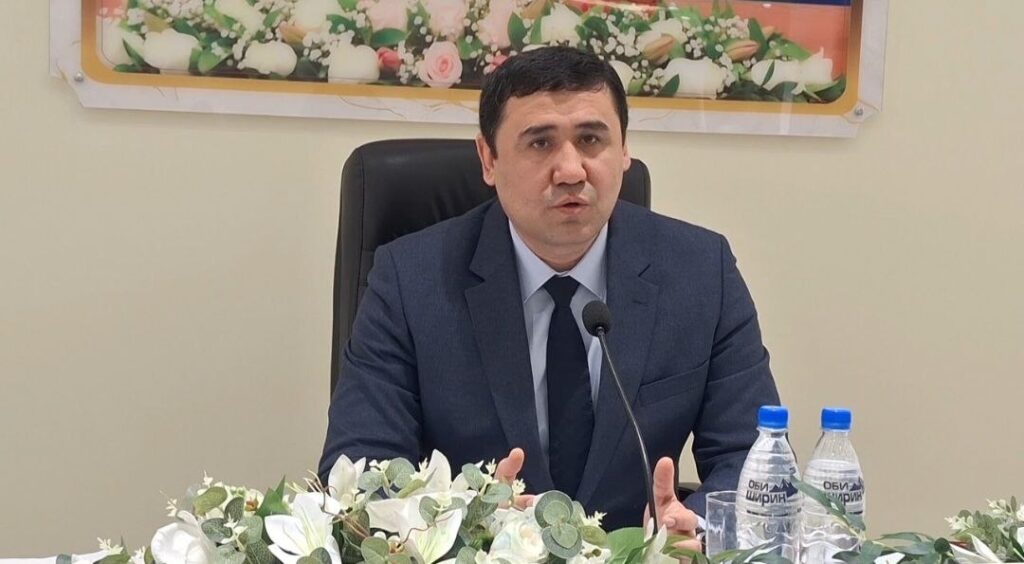
“Iranian entrepreneurs came, looked at the site, and approved it. They also brought one “container” (box) and requested 2 hectares of land from the city authorities for the construction of the plant. The mayor agreed to allocate the land,” explained Muhammadzoda.
However, even before the corresponding decree from the mayor of Khujand on the allocation of land was issued, the war by Israel and the USA against Iran began, and the Iranian entrepreneurs returned to their homeland.
“We were happy that a waste processing enterprise would be built, new jobs would be created, and the waste problem would be solved. But the war in Iran destroyed all of this. Iranian entrepreneurs tried several times to come, but they never arrived and have not contacted us since,” he added.
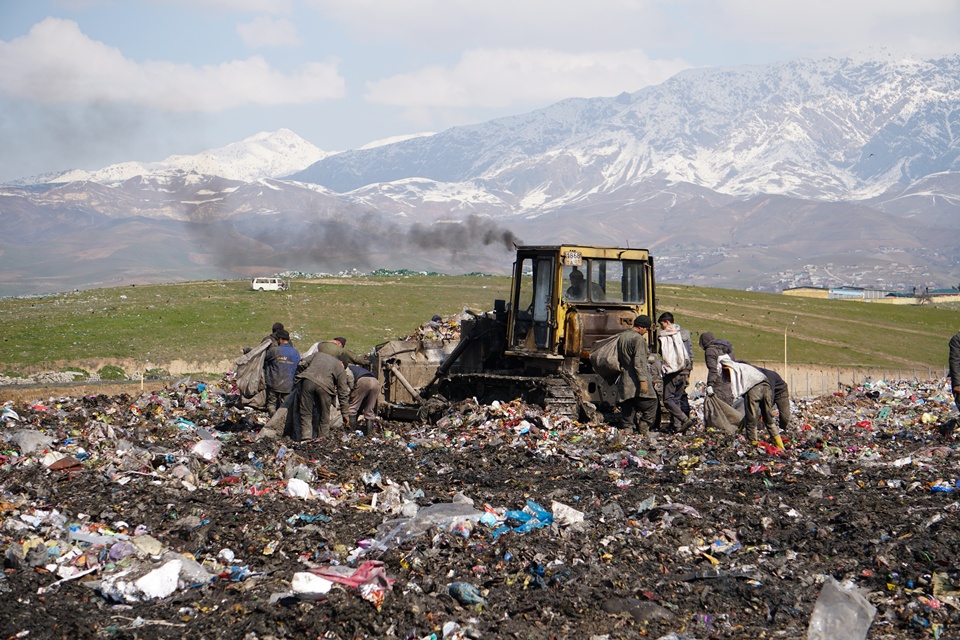
Amid the growing volumes of household and industrial waste in the Sughd province, the issue of their processing and disposal has become one of the most important environmental problems in the region in recent years. So far, there is not a single large modern waste processing enterprise in the region.
Many wastes accumulate in landfills, negatively affecting the environment and the health of the population. In this regard, the construction of a joint Tajik-Iranian waste processing enterprise was considered one of the most important projects.