


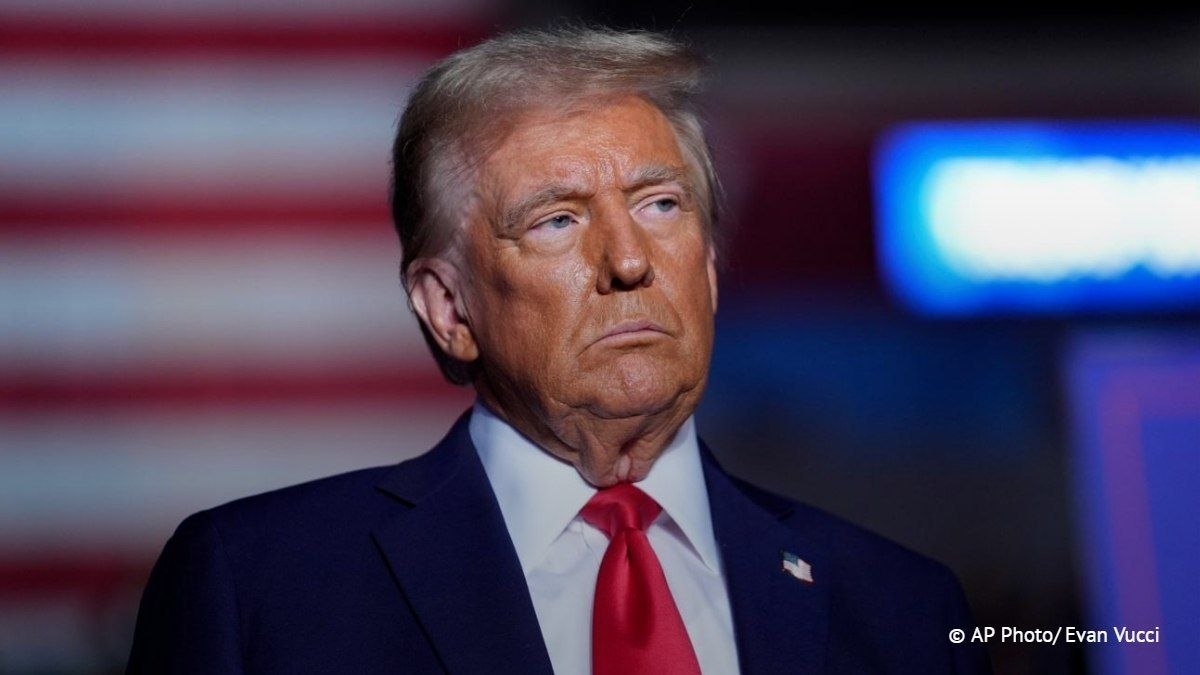
US President Donald Trump stated that he received new peace proposals from Iran and intends to consider them. However, he openly expressed doubt that the initiative would be acceptable and did not rule out the possibility of resuming military strikes.
“I have reviewed the new Iranian proposal, and it is unacceptable to me,” the U.S. Presidentsaid in an interview with the Israeli public broadcasting corporation Kan.
Trump skeptically assessed Tehran’s initiative, stating that he does not expect an acceptable outcome. According to him, Iran “has not yet paid a sufficient price” for its actions, according to the BBC’s Russian Service.
He also allowed for the possibility of new strikes:
“If they behave inappropriately… such a possibility exists.”
Furthermore, Trump stated that he does not need to obtain US Congress approval to continue military actions, as the ceasefire regime has suspended the relevant deadlines.
Washington insists: any agreement must eliminate the possibility of Iran acquiring nuclear weapons.
What Iran proposes
According to Iranian news agencies Tasnim and Fars, Tehran presented a 14-point peace plan.
Key proposals include:
- cessation of hostilities on all fronts;
- settlement of the situation around the Strait of Hormuz;
- lifting of the US naval blockade;
- withdrawal of American troops from the region;
- unfreezing of Iranian assets and lifting of sanctions.
- The Deputy Foreign Minister Kazem Gharibabadi stated that “the ball is in the U.S. court.”
- The Foreign Minister Abbas Araghchi noted readiness for diplomacy provided Washington changes its approach. Military officials, including General Mohammad Jafar Asadi, warn that the resumption of the conflict remains likely.
Iran demands the lifting of the naval blockade in exchange for opening the Strait of Hormuz. The US, in turn, uses restrictions as a tool to pressure oil exports.
According to Bloomberg, Iran has already started reducing oil production due to storage overflow.
Despite sanctions, Tehran demonstrates resilience thanks to years of experience living under economic pressure.
Negotiations between the US and Iran reached a deadlock after the truce came into effect on April 8. One round of negotiations, held with Pakistan’s mediation, ended without result, BBC notes.
The American side believes that internal disagreements in Iran were the reason for the stalemate. However, analysts from Eurasia Group disagree with this.
In their opinion, Tehran deliberately drags out the process, seeking to obtain more favorable conditions and strengthen its negotiating positions.