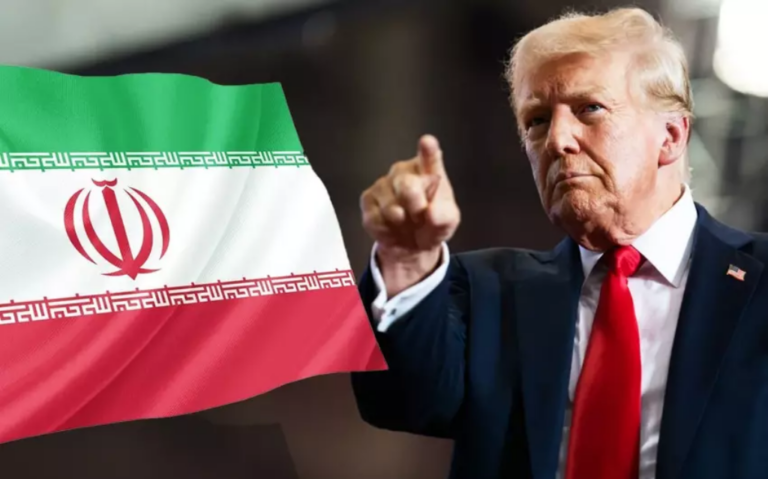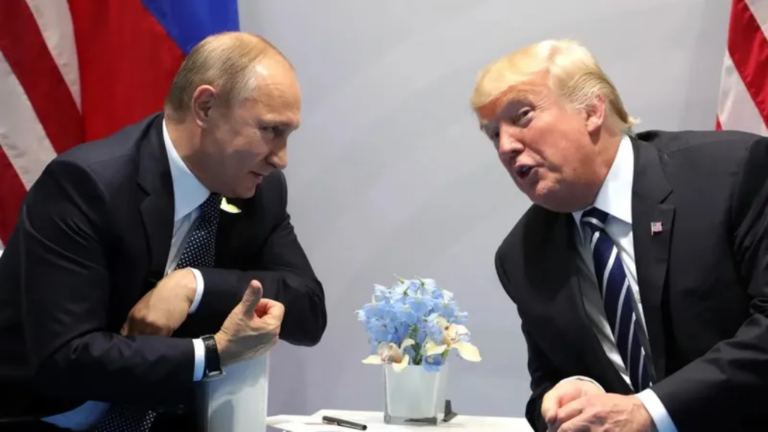
The US will continue to blockade Iranian ports until Tehran agrees to American conditions for abandoning nuclear weapons. This was stated by the U.S. President Donald Trump in an interview with Axios.
Trump reportedly emphasized that the US will continue to blockade Iranian ports until Tehran agrees to American conditions for abandoning nuclear weapons.
Earlier on April 26, Donald Trump, in a phone interview with Fox News, indicated that he intends to continue the blockade of the Strait of Hormuz, which has halted Iran’s oil exports, in the hope that this will force Tehran to make concessions in the coming weeks.
Over the weekend, Iran submitted a proposal to the US to open the Strait of Hormuz and cease hostilities, with nuclear program negotiations postponed to a later date. Axios reported this on April 27 citing two unnamed informed sources.
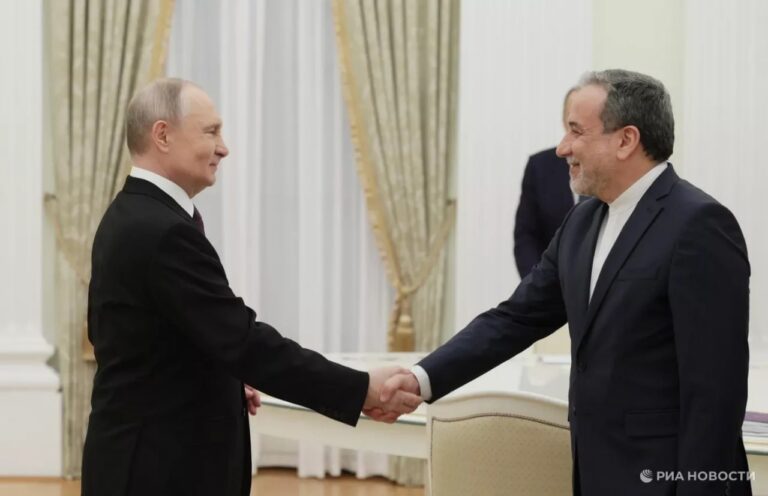
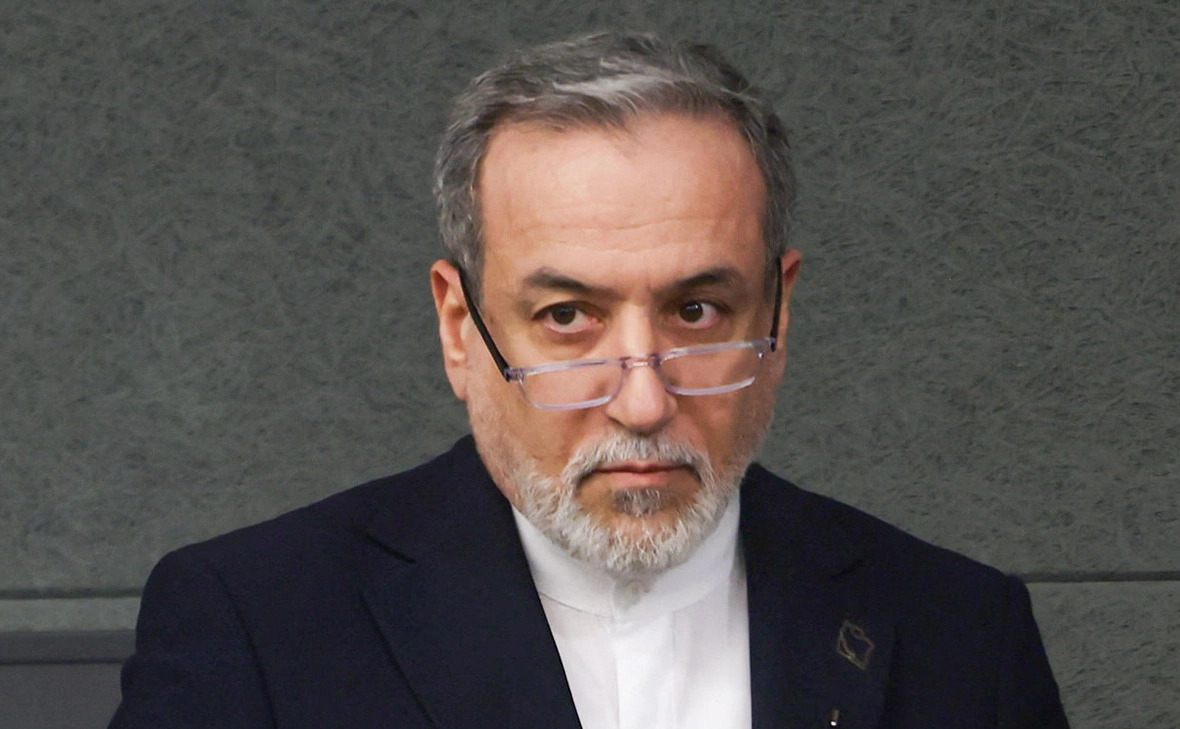
According to one of them, Iranian Foreign Minister Abbas Araqchi made it clear to intermediaries from Pakistan, Egypt, Turkey, and Qatar that there is no consensus within the Iranian leadership on how to respond to US demands regarding the nuclear program.
In particular, Washington demands the removal of enriched uranium from the country and a halt to its production for 10 years.
Iran proposed to the US to divide the negotiations into three stages. The first should involve reaching an agreement to end the war and provide guarantees for Iran and Lebanon. The second includes issues of managing the Strait of Hormuz, and the third will focus on the Iranian nuclear program. Tehran refuses to discuss the last point until agreements are reached on the first two.
Since April 8, a truce between the US and Iran has been in effect, which the head of the White House extended indefinitely. Meanwhile, Washington maintains a naval blockade of Iranian ports and the Strait of Hormuz. The first direct talks between Washington and Tehran since the start of the war, which took place on April 11-12 in Pakistan, ended without result.
Meanwhile, the BBC’s Russian Service reported on Thursday, oil prices surged on Asian markets following reports that the US military is preparing to present President Donald Trump with new options in connection with the conflict with Iran.
According to Axios, the US Central Command (CENTCOM) has developed a plan for a series of “short and powerful” strikes on Iran, aimed at breaking the deadlock in negotiations with Tehran.
The rise in energy prices continues throughout the week amid prolonged peace talks and the de facto closure of the Strait of Hormuz — one of the key routes for global oil trade.
Axios, citing anonymous sources, says the proposed series of strikes may target infrastructure facilities.
There is also consideration of establishing control over part of the Strait of Hormuz to resume commercial shipping. According to Axios, this may require the deployment of ground troops.
On Wednesday, US Army Assistant Secretary Jules Hurst informed a House Armed Services Committee hearing that the US military operation in Iran has already cost Washington approximately $25 billion. According to him, the main part of the expenses was for ammunition.
The US President himself “renamed” the Strait of Hormuz to “Trump Strait”.
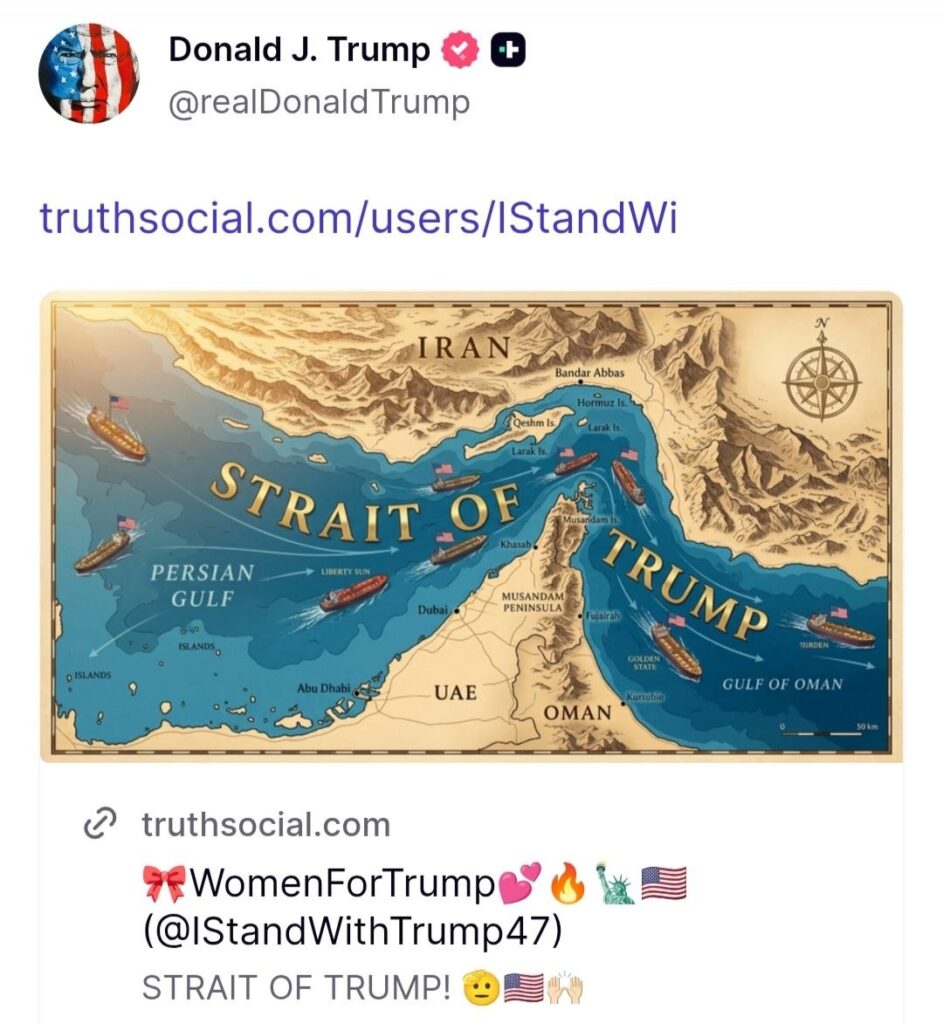
Donald Trump published a post with the corresponding name of the geographical object on the social network Truth Social.