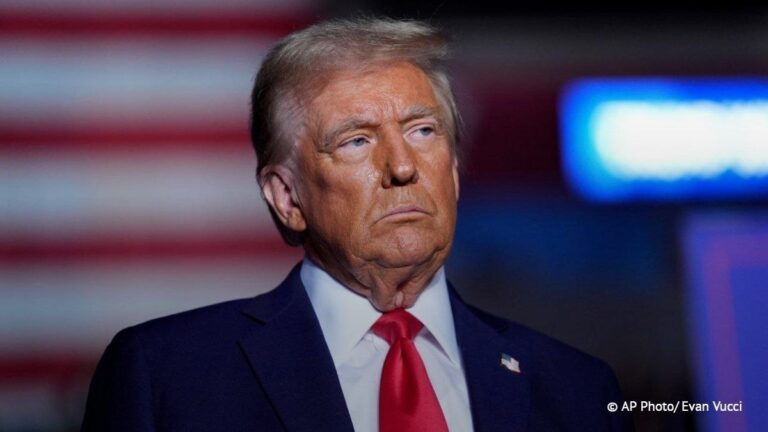



U.S. President Donald Trump notified Congress about the end of military actions against Iran. This was reported by the Associated Press.
In a letter to Speaker of the House Mike Johnson and Acting President of the Senate Chuck Grassley, Trump stated that “the military actions that began on February 28, 2026, have ceased.”
At the same time, the U.S. leader noted that the threat from Iran to the U.S. and American military remains significant.
“Despite the success of United States operations against the Iranian regime and ongoing efforts to ensure lasting peace, the threat posed by Iran to the U.S. and our armed forces remains significant,” the letter states.
According to the War Powers Resolution of 1973, the U.S. President can conduct military actions for 60 days without Congress approval.
After that, he must either cease them or request a 30-day extension from Congress in case of “unavoidable military necessity.”
Earlier on May 1, Iranian state media reported that Tehran had conveyed a new proposal for negotiations with the U.S. through Pakistan to Washington. The details of the initiative have not yet been disclosed.
As reported by the official IRNA agency, on Thursday evening, the Islamic Republic of Iran sent Pakistan the text of its latest proposal – Islamabad acts as a mediator in contacts between Tehran and Washington.
U.S. President Donald Trump reacted rather quickly to Iran’s proposal.
“At the moment, I am not satisfied with what they are offering,” AFP quoted him as saying.
According to a statement from the Iranian Foreign Ministry, on Friday, the country’s head of foreign affairs, Abbas Araghchi, held telephone talks with colleagues from Saudi Arabia, Qatar, Turkey, Iraq, and Azerbaijan. During the discussions, the latest initiatives of the Islamic Republic to end the war were reportedly discussed.
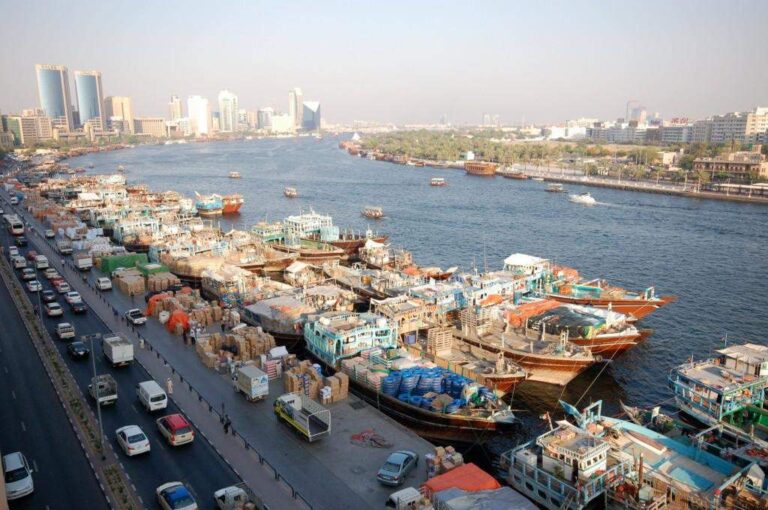
The first round of talks between the U.S. and Iran took place in mid-April and ended without significant results. After that, the dialogue reached an impasse: Washington imposed a maritime blockade on Iranian ports, and Tehran continued to close the Strait of Hormuz, through which about 20% of the world’s oil and gas supplies, as well as significant volumes of chemical products transit, prior to the start of the war.