


The Taliban government has published a new family law that recognizes marriages involving minors as legally valid under certain circumstances. The document was approved by the Taliban’s supreme leader, Haibatullah Akhundzada, and published on May 15 in the official gazette.
Citing Afghan Amu TV, Fergana news agency reports that the new family law regulation, titled Principles of Separation of Spouses (Osoolnama-e Tafriq-e Zawjain), consists of 31 articles and regulates issues of marriage, divorce, and custody. Particular attention is drawn to the provisions concerning marriages of minors.
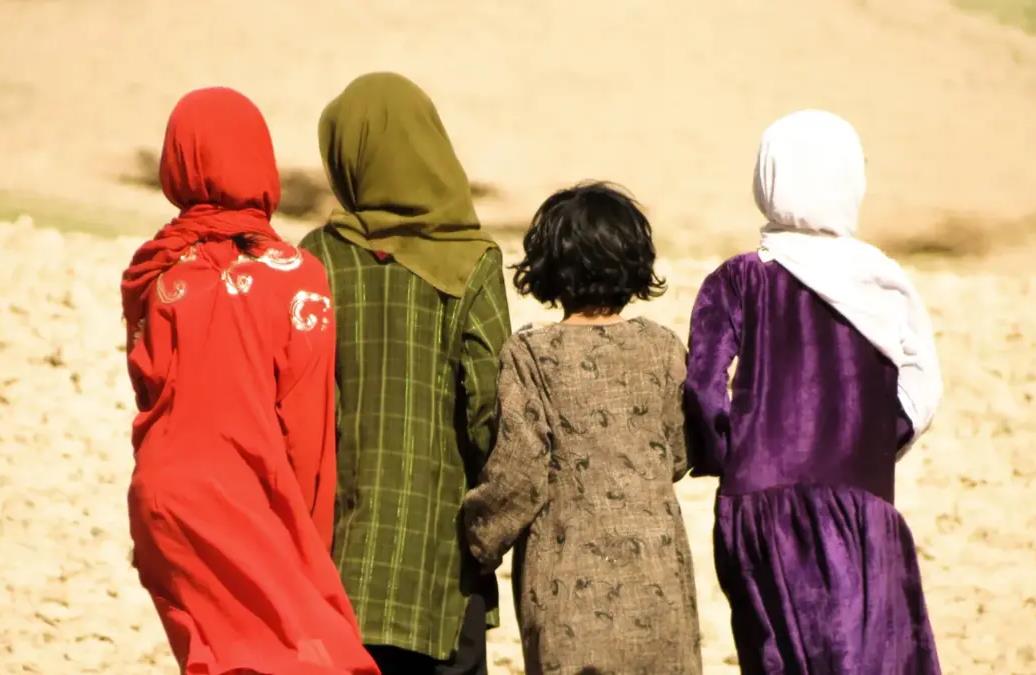
According to the document, marriages of boys and girls below the age of majority, concluded not by parents or family members (fathers and grandfathers), but by other relatives, can be deemed valid if there is “social compatibility” of the spouses and an “acceptable” dowry size. After reaching puberty, minors have the right to request annulment of the marriage, but this can only be done through a court controlled by the Taliban.
The most criticism has been directed at the clause stating that the silence of a “virgin girl” after reaching puberty is automatically considered consent to marriage, whereas the silence of a young man or a previously married woman is not considered automatic consent.
The document also provides for the possibility of contesting a marriage if it was concluded “without compassion,” with an unsuitable partner, or with an unfair dowry size. However, a girl can only go to court after reaching puberty. Marriages can be deemed invalid if the guardians are considered prone to violence, mentally unsound, or morally corrupt.
More than 100 Afghan and international human rights organizations have already called for the document to be repealed, stating that it violates the rights of women and children and effectively legalizes forced marriages.
The Taliban continue to adapt Afghan legislation according to their own religious dogmas, ignoring norms of gender equality and the rights of minors. The introduced regulation not only formalizes archaic customs but also destroys any legal protection mechanisms for girls. Their fate now entirely depends on the decisions of courts controlled by the movement, operating outside the framework of international law.