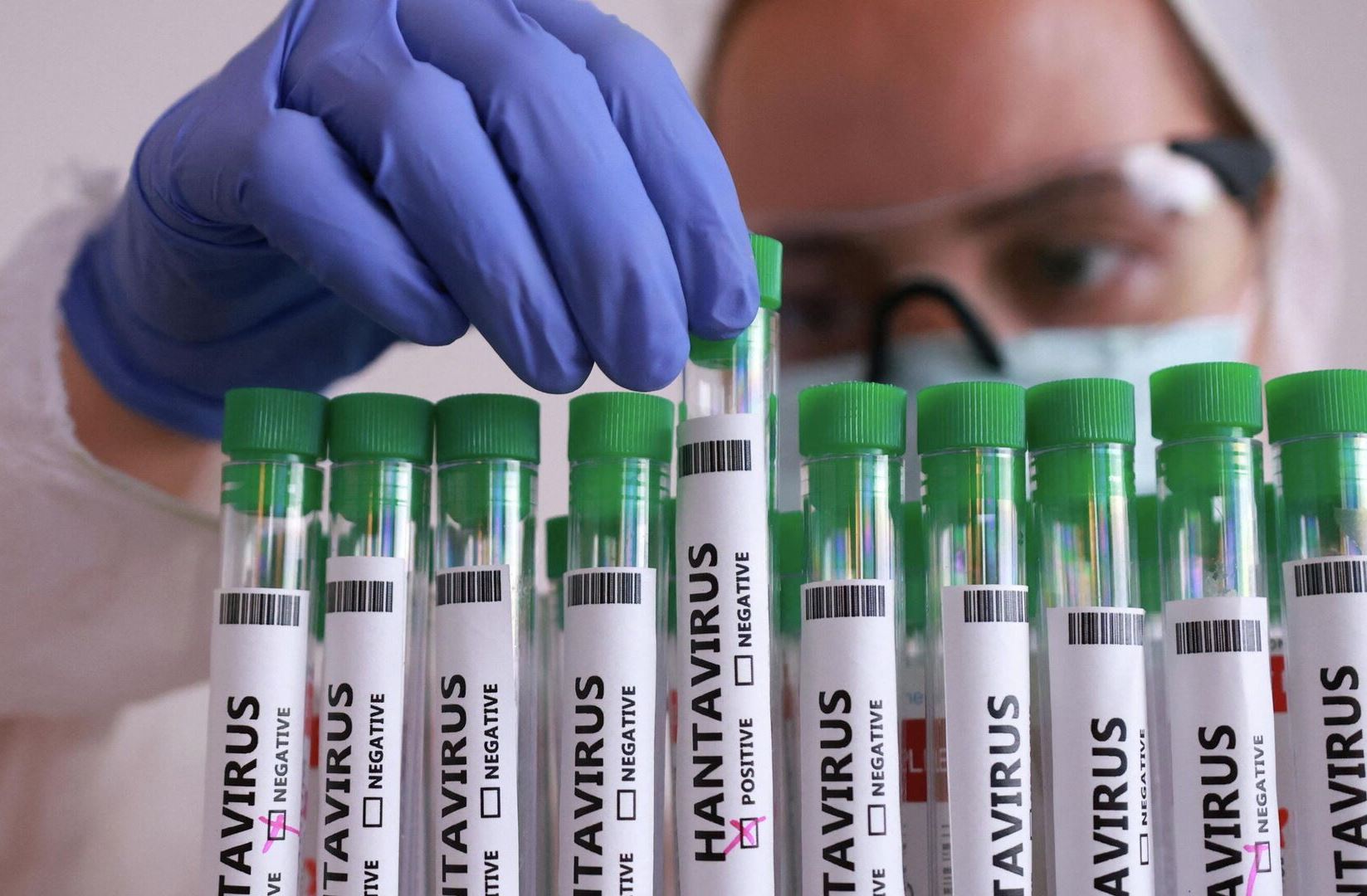
Amid spreading information about the hantavirus on social media, the Ministry of Health and Social Protection of the Population (MoHSPP) of Tajikistan stated that there have been no cases of this infection recorded in the republic, and the risk of its spread in the country remains low.
An official source within a MoHSPP explained that hantaviruses are a group of viruses primarily spread by rodents and can cause severe infectious diseases in humans.
According to the Ministry of Health, official information about hantavirus outbreaks is limited in Central Asian countries, including Tajikistan. However, considering the natural and ecological factors, epidemiological monitoring and preventive measures are continuously carried out in the republic.
The Ministry emphasized that the situation is under the control of health authorities. Residents are advised to:
• adhere to sanitary and hygiene standards;
• store food in closed containers;
• prevent rodents from entering homes and warehouses;
• use masks and gloves when cleaning areas where rodents may be present;
• seek medical attention in a timely manner if symptoms appear — high fever, muscle aches, weakness, breathing problems, and severe headache.
The ministry also urged citizens to trust only official information and not to spread unverified messages.
WHO: risk to the public remains low
It is noteworthy that the World Health Organization (WHO) updated the data on the hantavirus situation, reporting 9 cases of infection, 7 of which are laboratory-confirmed. According to the organization, 3 fatalities have been registered.
As reported by the UN News Service, the last passengers of the Hondius cruise ship, where cases of infection were detected, are expected to disembark by the end of the day. Evacuation is taking place from the Canary Islands via special flights.
More than 30 crew members will remain on the ship and head to Rotterdam, Netherlands. The ship is expected to arrive at the port in a few days.
WHO noted that the risk of hantavirus spreading to public health remains low. Meanwhile, the organization continues to coordinate with Spanish authorities and international partners.
A WHO team is working in Tenerife, monitoring the situation in collaboration with Spanish services and taking measures to prevent further spread of the infection.