There are about 485 rooms in international-level hotels in Tajikistan. However, prices remain high due to limited supply.
Tajikistan remains the smallest hotel market in Central Asia in terms of branded room supply. Citing a study by the IQ KNOWLEDGE BASE team of Commonwealth Partnership, Akchabar (a leading financial information and analytical portal in Kyrgyzstan) says the country has 485 rooms in international and chain hotels.
In Central Asia, such chains include Hilton, Hyatt, Marriott, Sheraton, Accor, Wyndham Hotels & Resorts, and IHG.
Tajikistan lags behind neighbors
By 2025, the total branded room supply in Central Asia will reach 12,743 rooms. Compared to 2020, the market has grown by almost 90%.
Kazakhstan has the most such rooms — about 7,200. This is approximately 57% of the entire branded room supply in the region.
Uzbekistan ranks second. Since 2020, the country’s room supply has grown by 272% and reached 4,473 rooms.
Kyrgyzstan remains a small market for now — 585 branded rooms.
Why prices in Tajikistan are high
The report notes that these prices are not due to a large tourist influx but rather a shortage of quality hotels. When there are few international hotels, they can maintain higher prices.
In Tajikistan, it is particularly noticeable how the lack of quality infrastructure affects prices. For example, a room for one person per night costs:
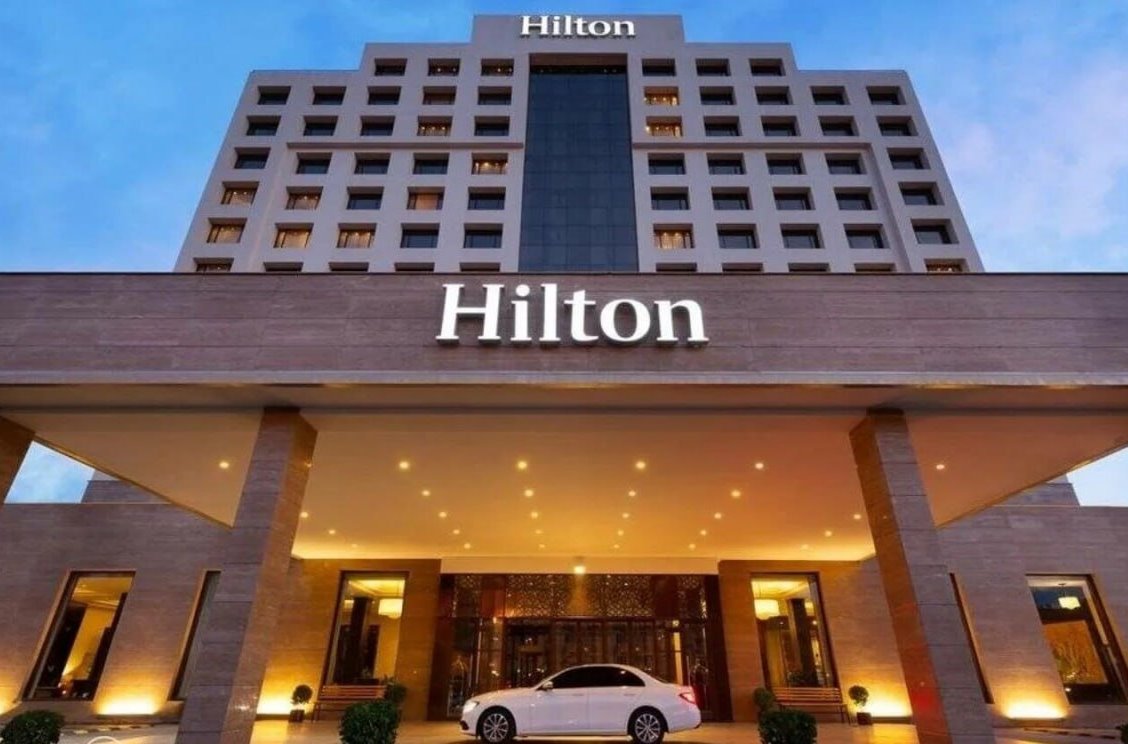
- Hilton Dushanbe — from $155 to $482;
- Hyatt Regency Dushanbe — from $180 to $456.
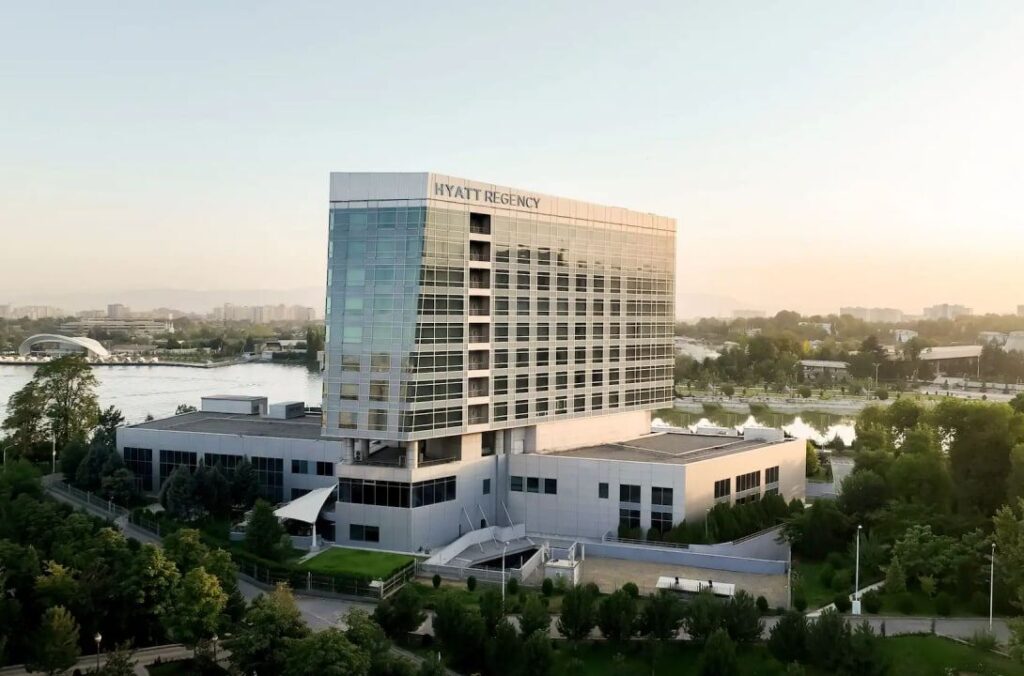
High prices here are explained not by a huge tourist influx but, conversely, by limited supply. When there are few quality international hotels, they can maintain higher prices. Thus, the Tajikistan market remains niche and less competitive for now.
The region is moving away from cheap tourism
Overall, Central Asia is gradually changing its tourist image. While the region was previously perceived as a destination for budget travel, trekking, mountains, and guesthouses, countries are now developing more comfortable infrastructure.
International hotel chains are expanding not only into capitals but also into tourist areas: Samarkand, Bukhara, Issyk-Kul, mountain resorts, and new business centers.
Kazakhstan is focusing on the business and premium segments. International forums, summits, and large business events are held in Astana and Almaty.
Uzbekistan is developing cultural tourism. Samarkand, Bukhara, and Tashkent are becoming destinations not only for short excursions but also for longer and more comfortable stays.
Kyrgyzstan is gradually shifting from being a budget destination for ecotourism to a more expensive vacation. Sheraton, Hyatt Regency, and Novotel are already operating in Bishkek.
Against this backdrop, Tajikistan remains a niche market with a limited number of quality hotels.